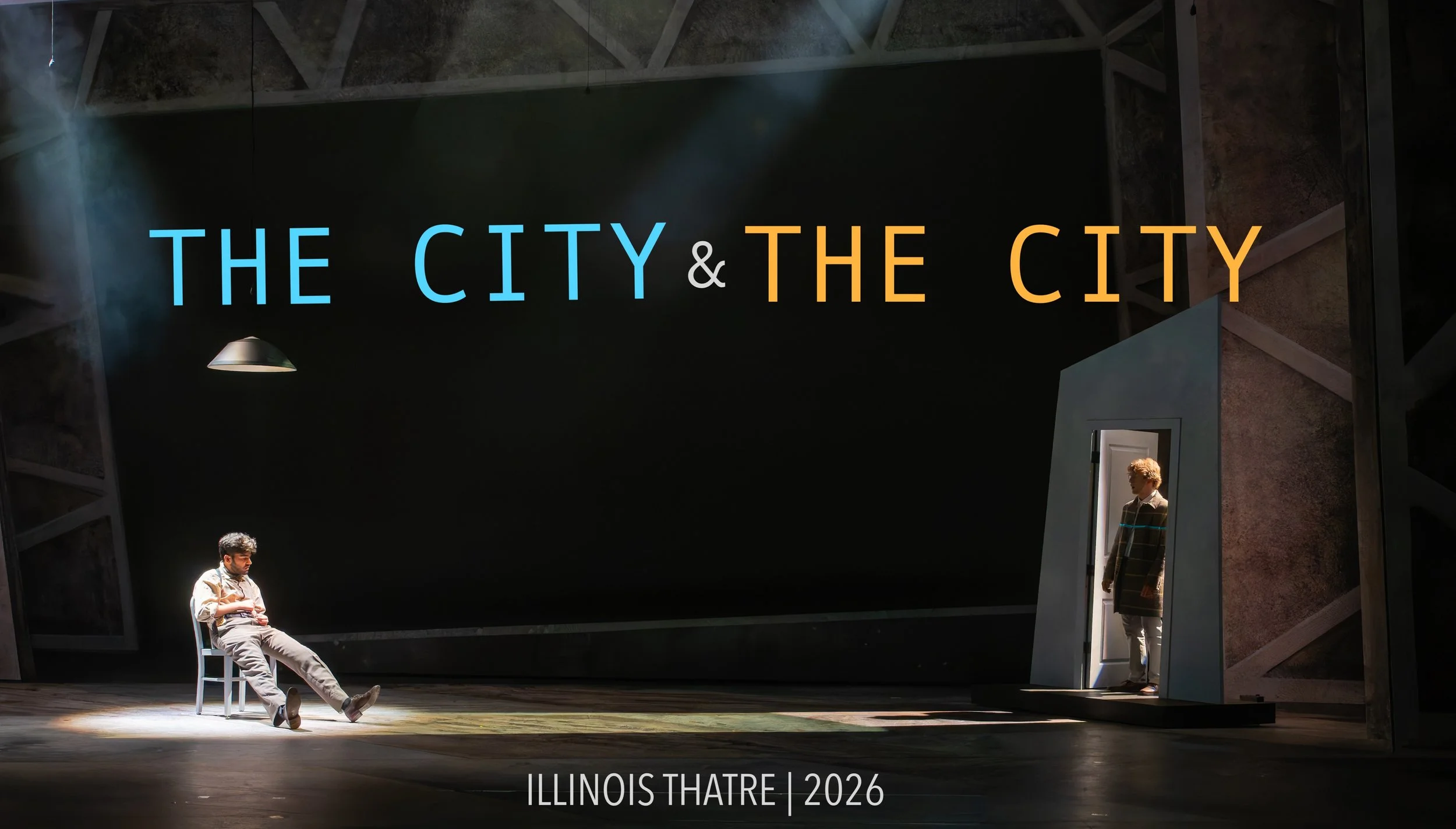
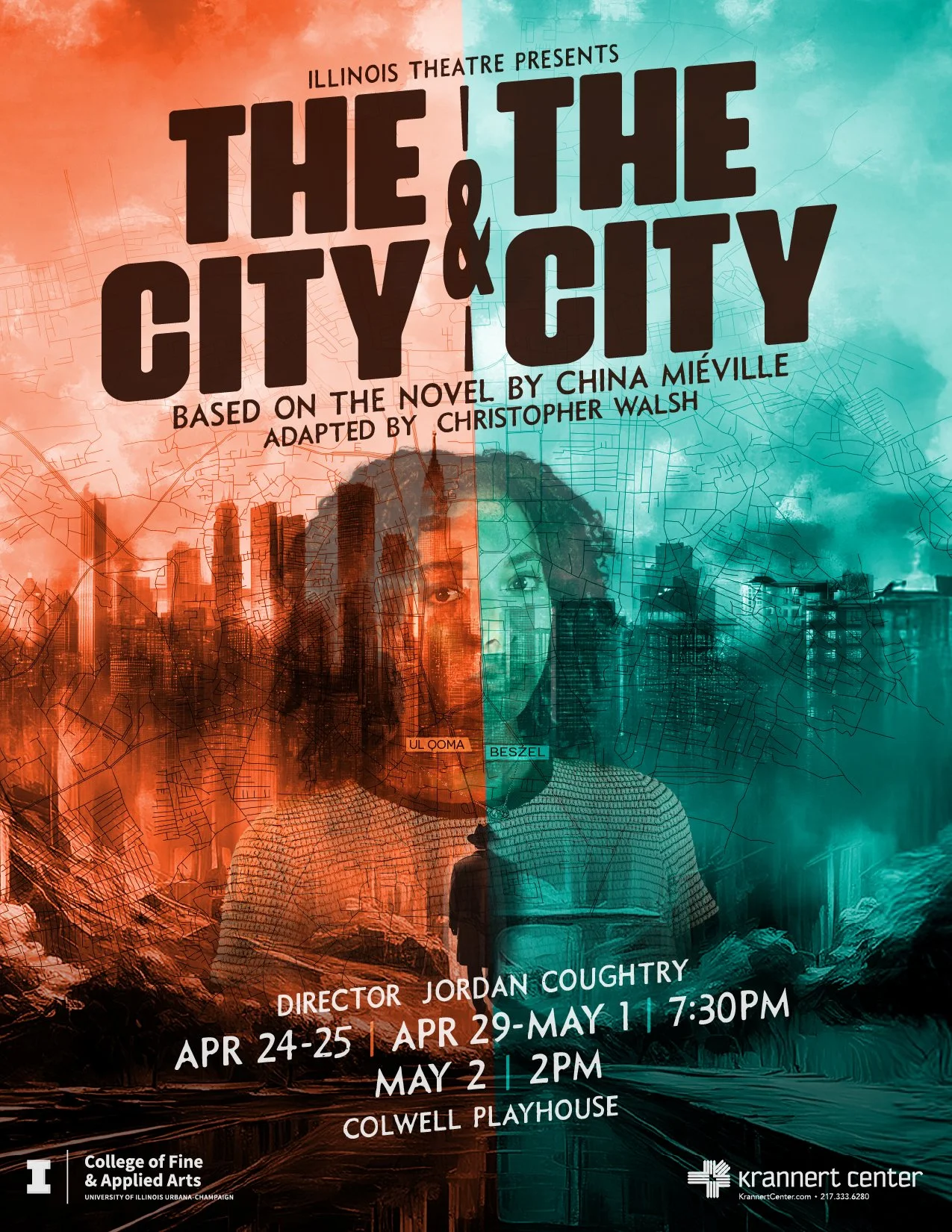
THE CITY & THE CITY
based on the novel by China Miéville
adapted by Christopher Walsh
ILLINOIS THEATRE
The KRANNERT CENTER for the PERFORMING ARTS
COLWELL PLAYHOUSE
University of Illinois Urbana-Champaign
2026
“Cities, like dreams, are made of desires and fears, even if the thread of their discourse is secret, their rules are absurd, their perspectives deceitful, and everything conceals something else.”
| ITALO CALVINO, Invisible Cities
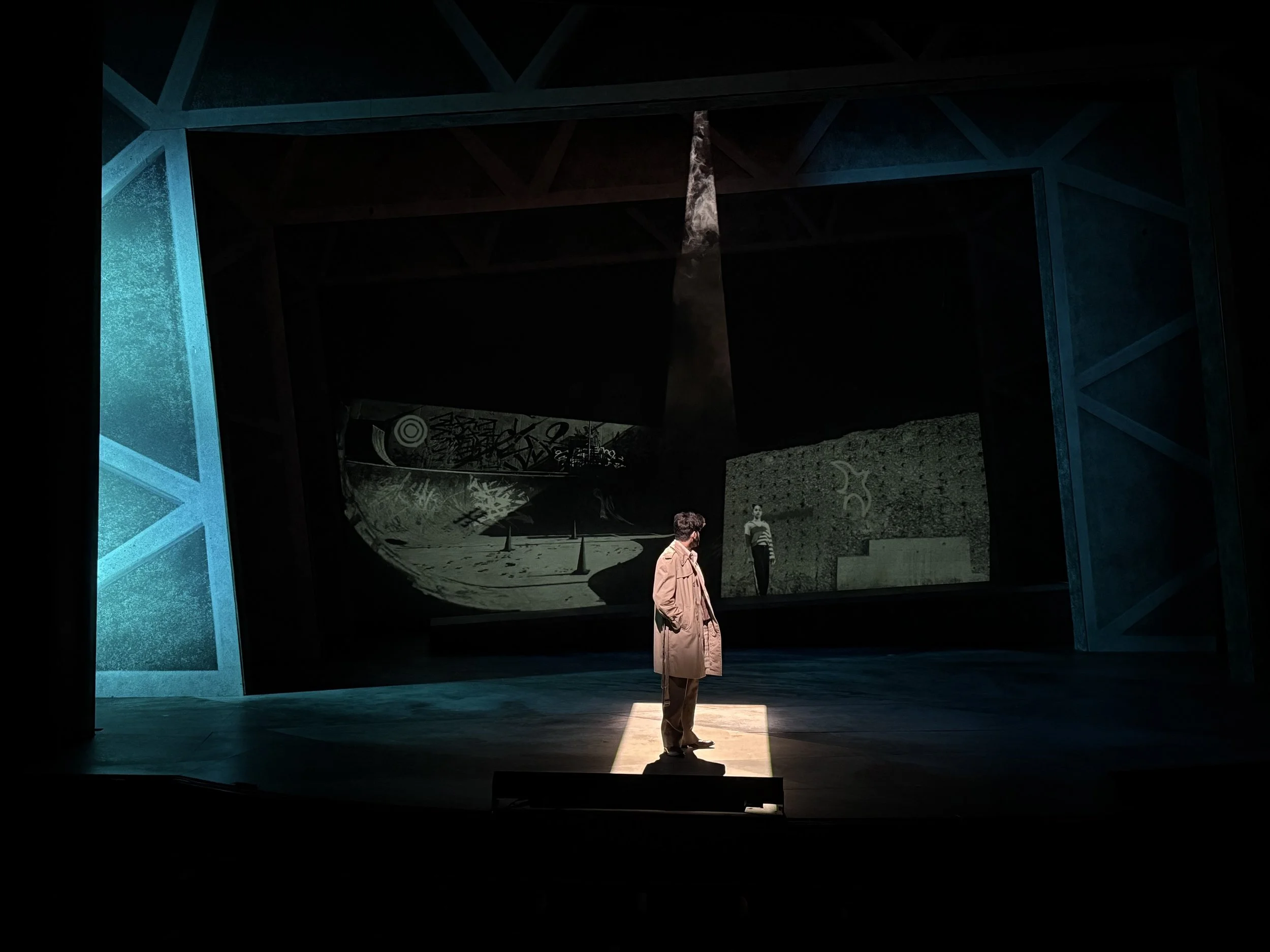
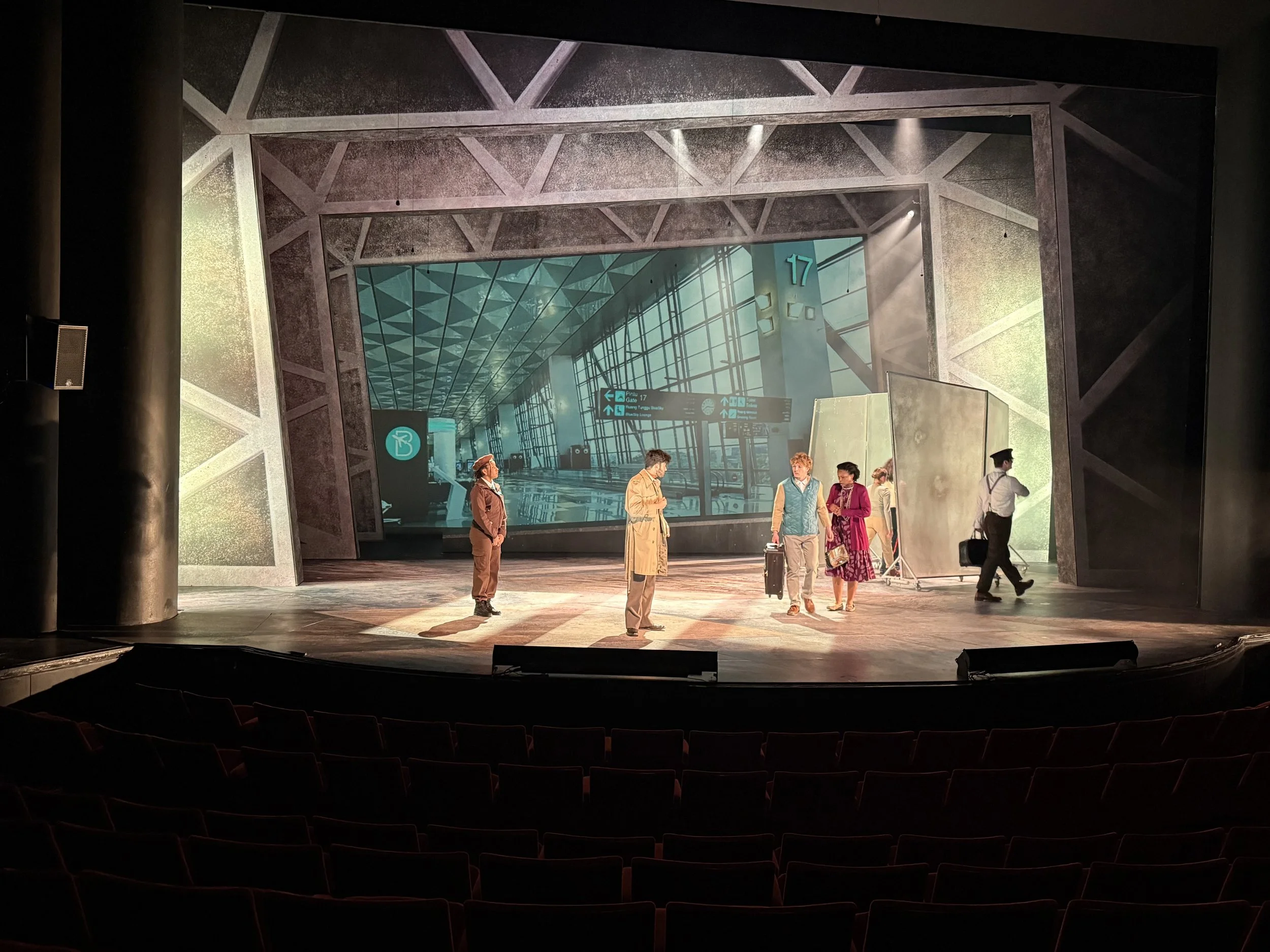
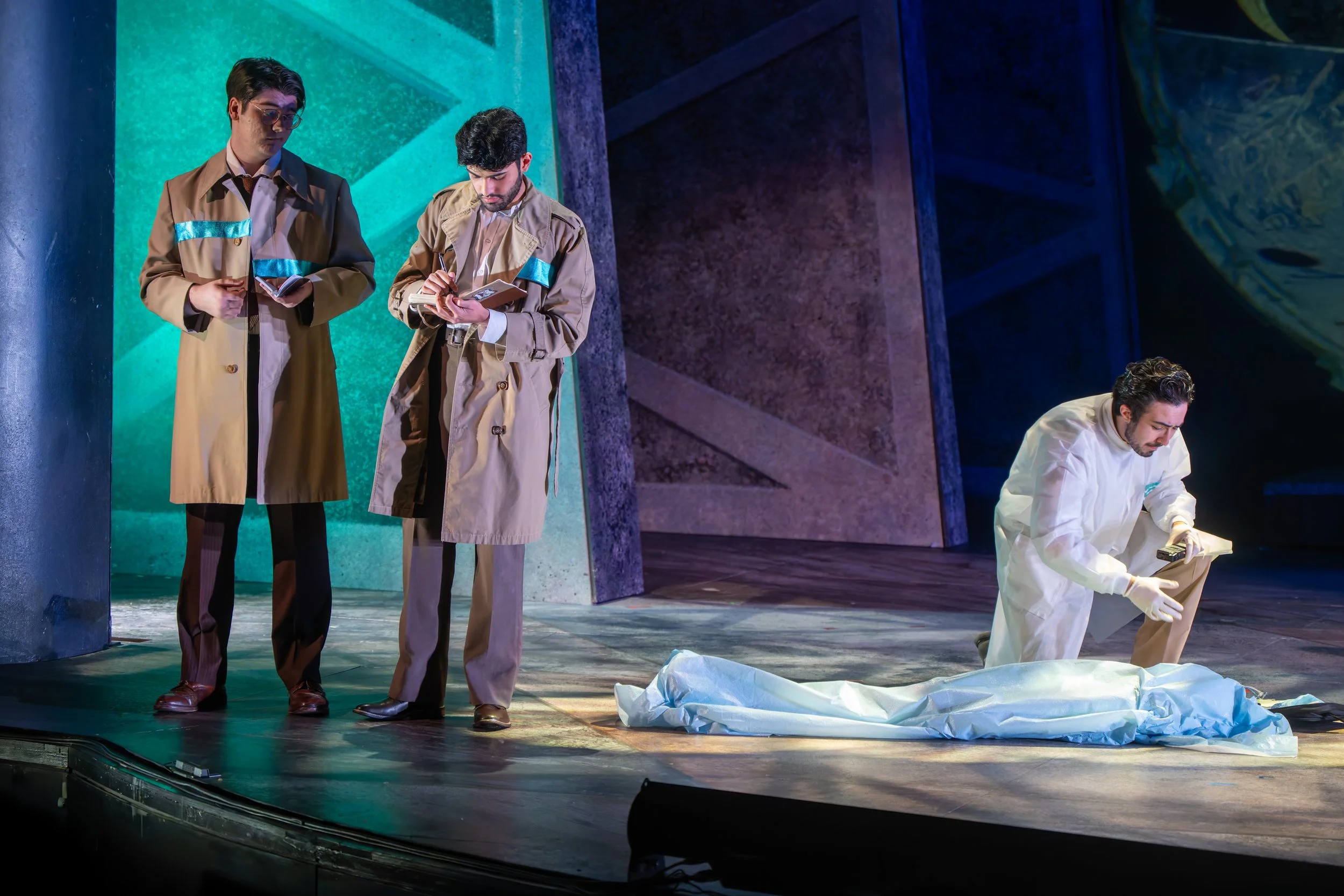
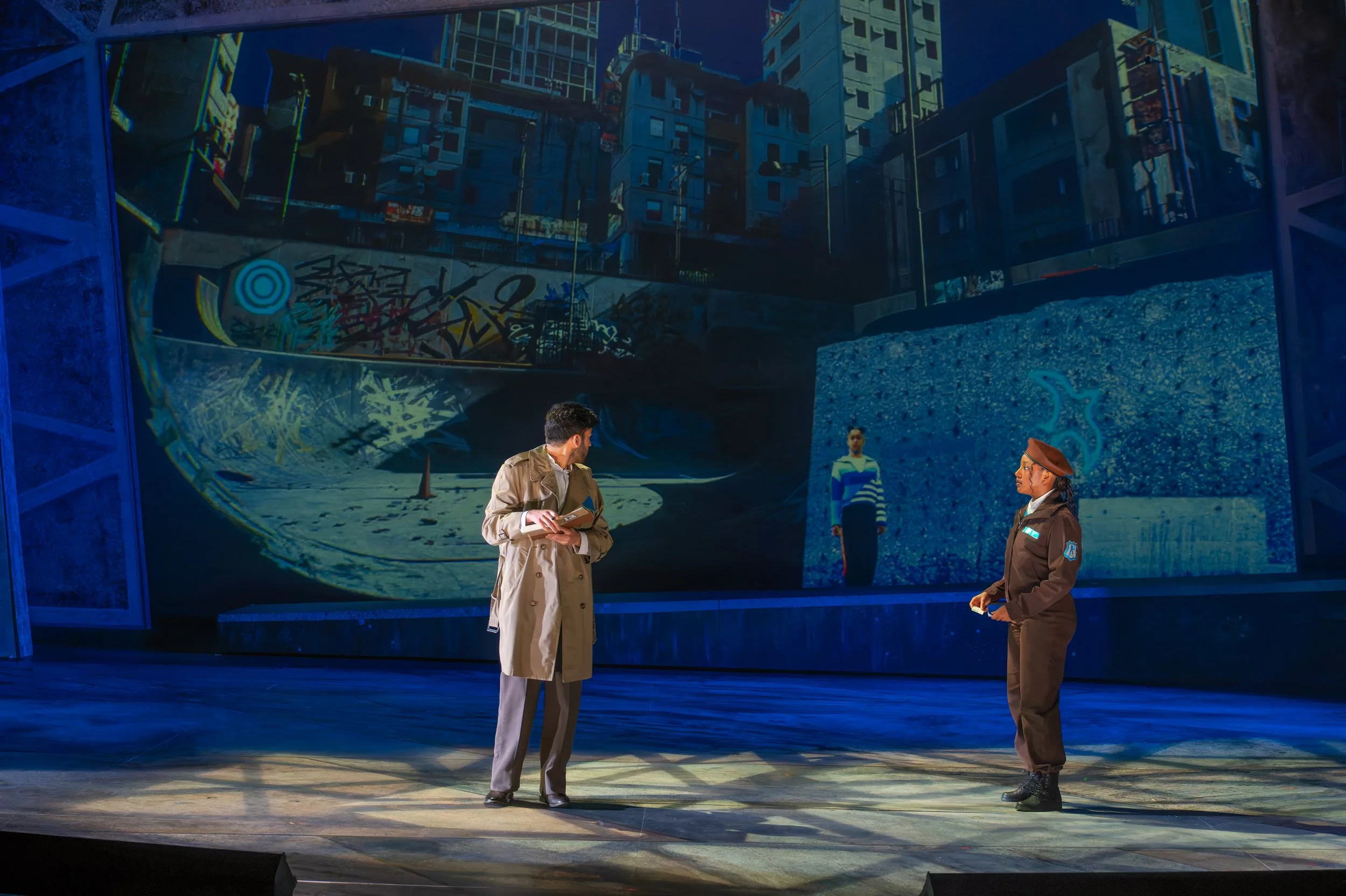
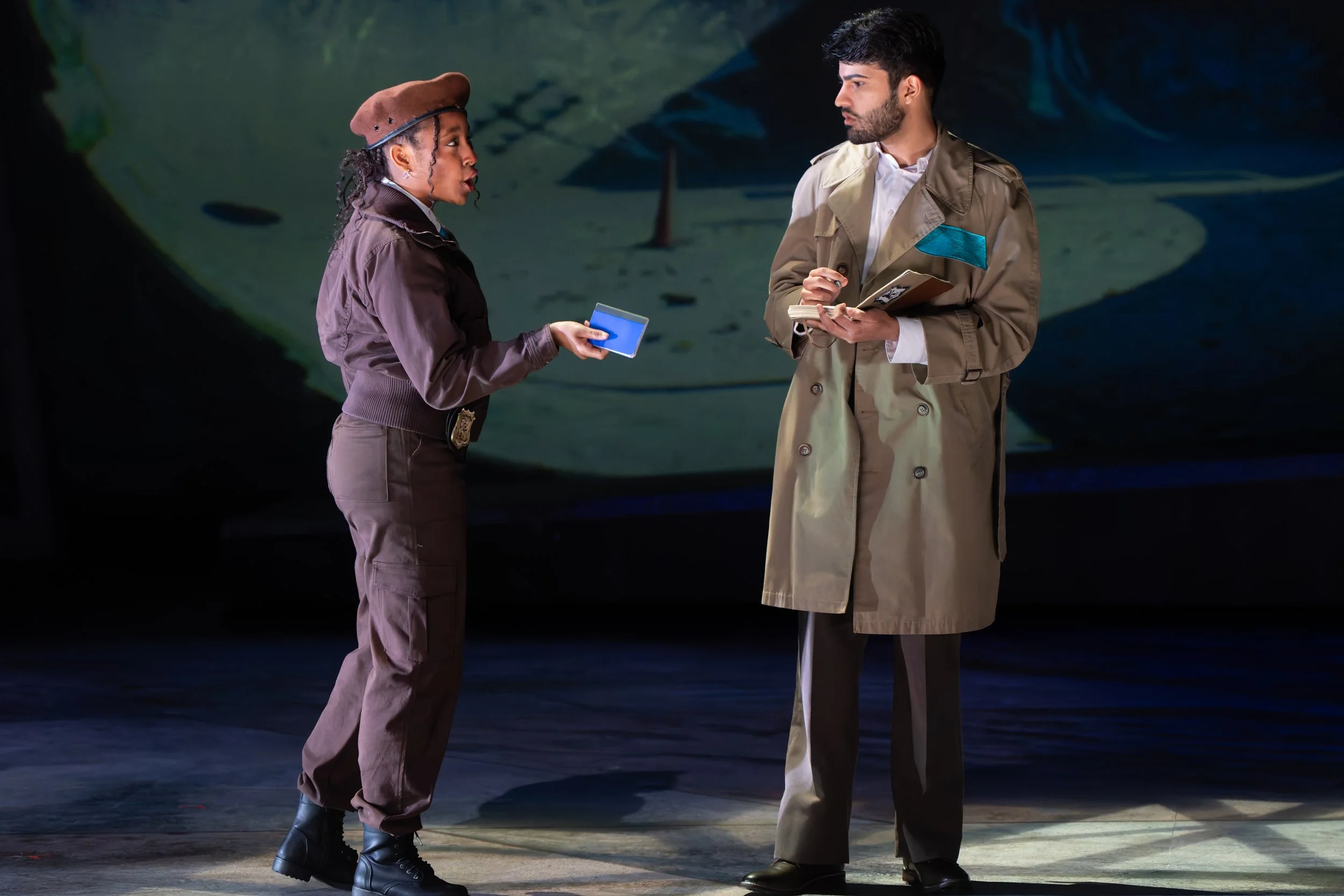
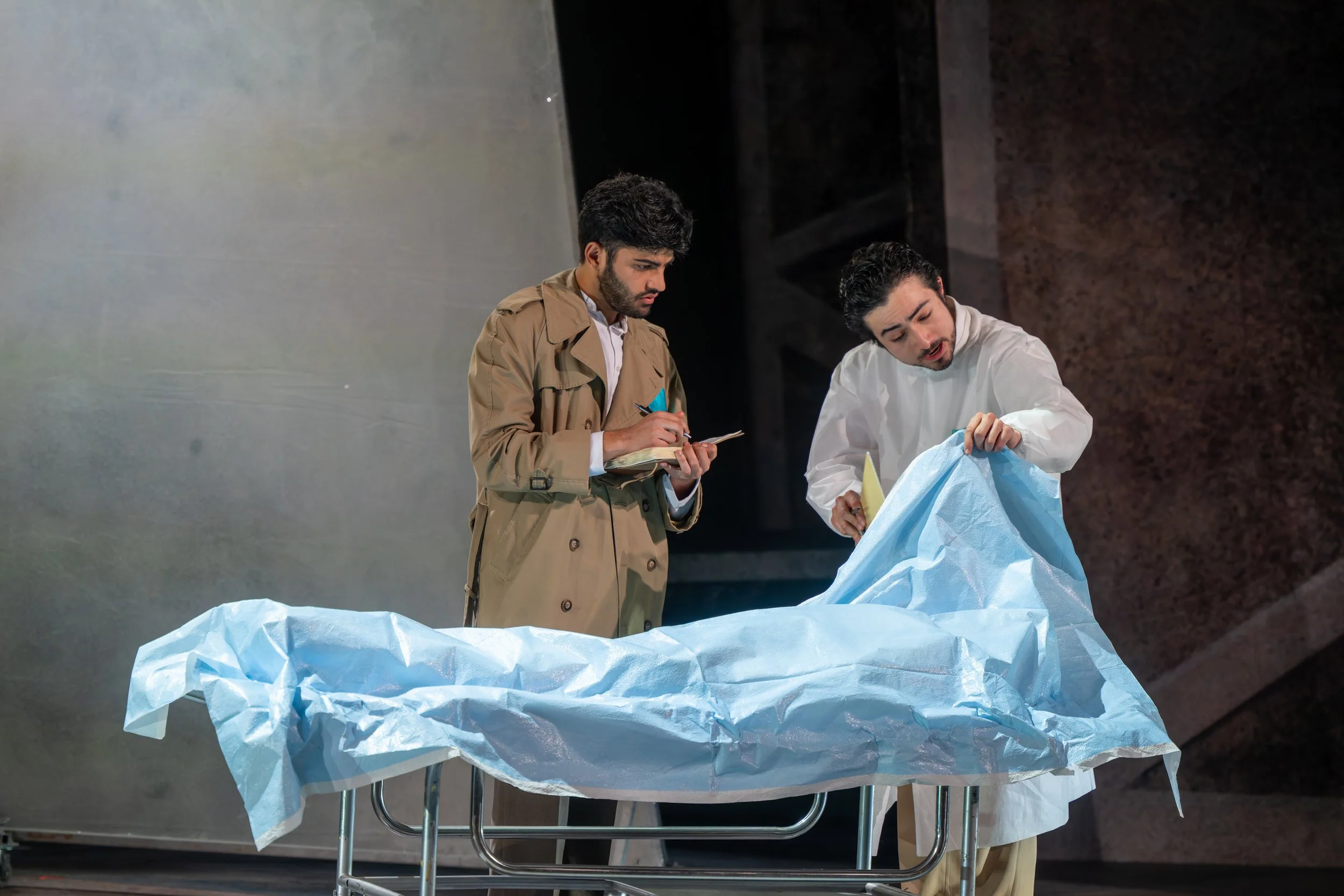
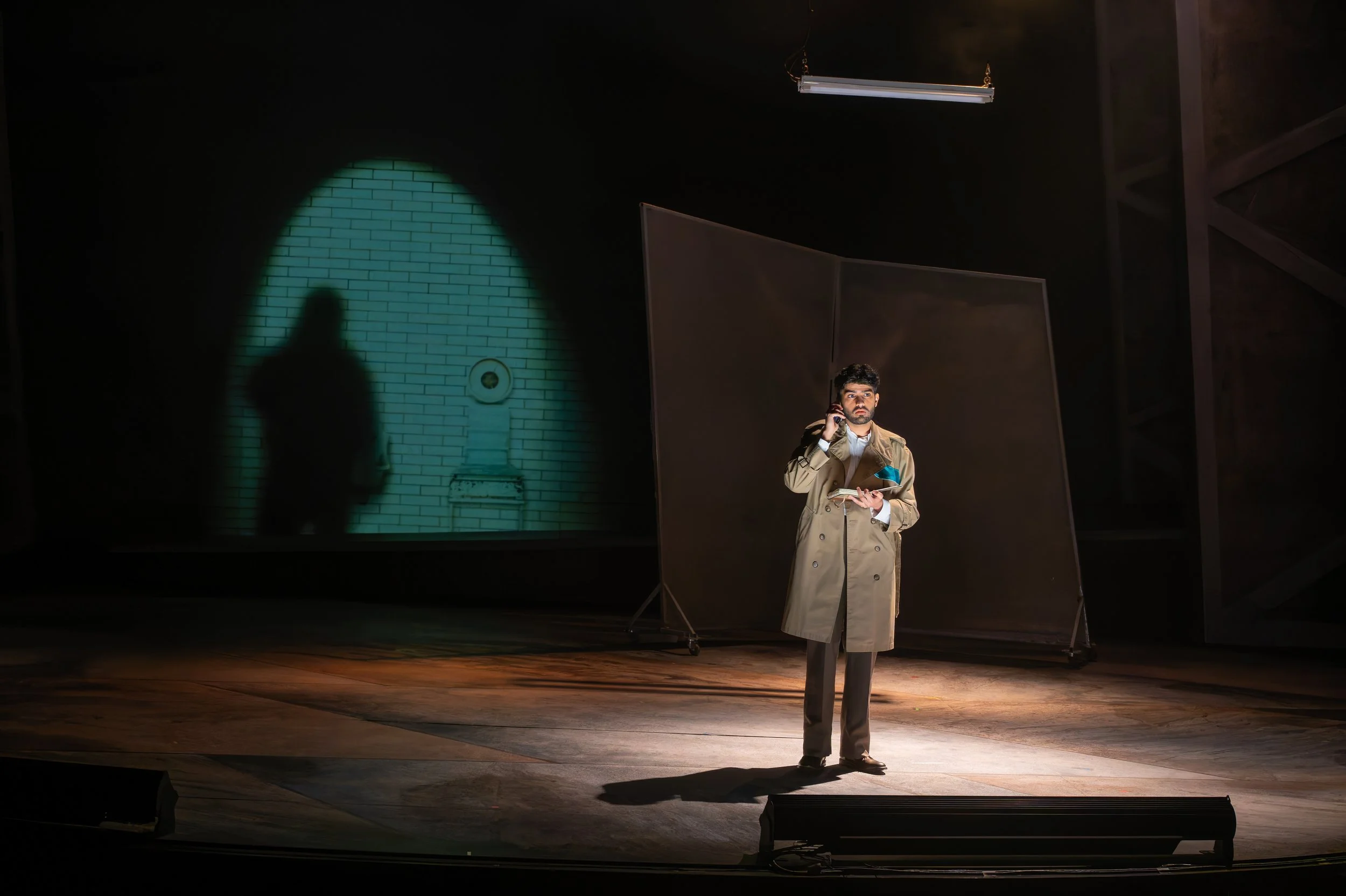
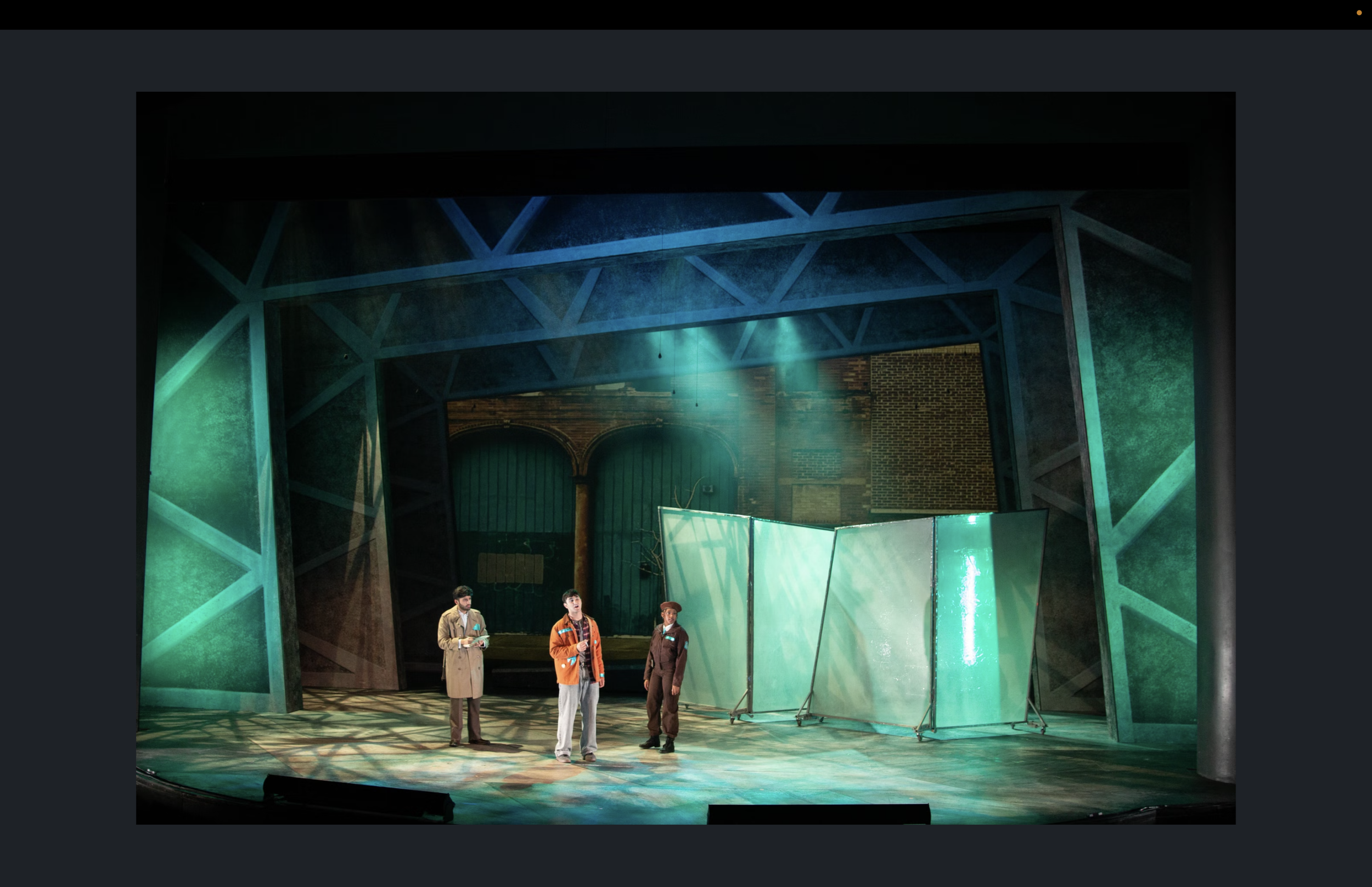
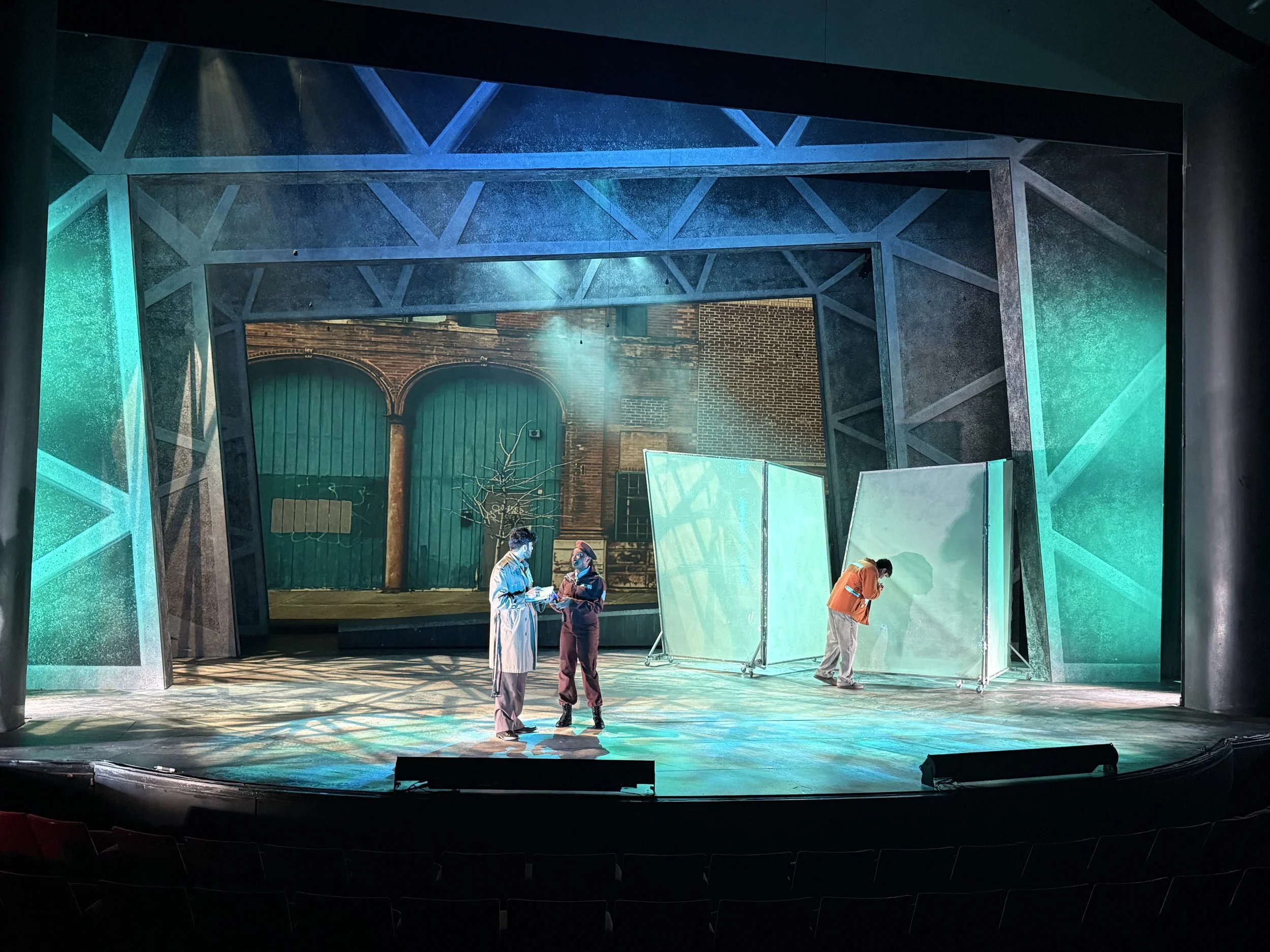
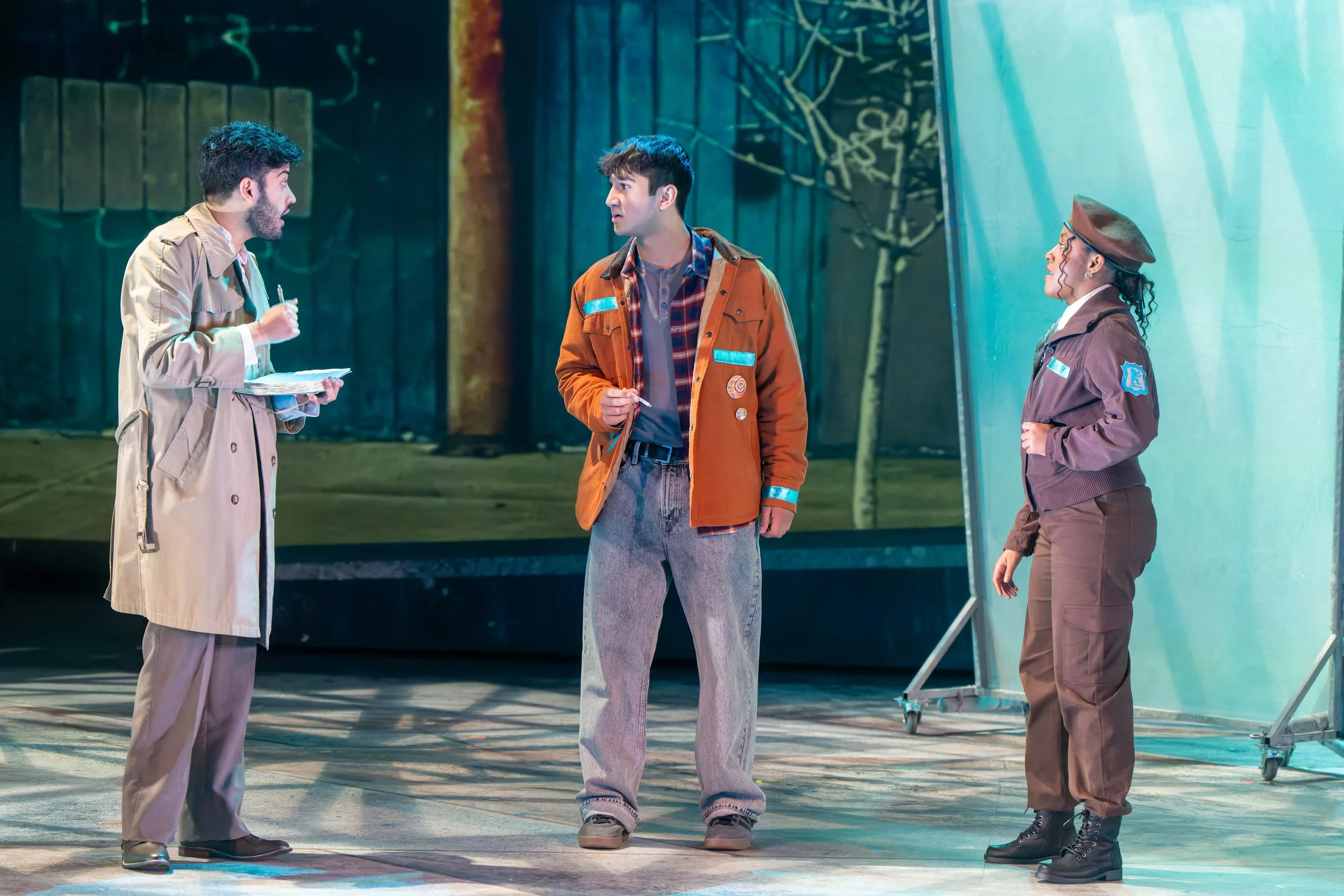
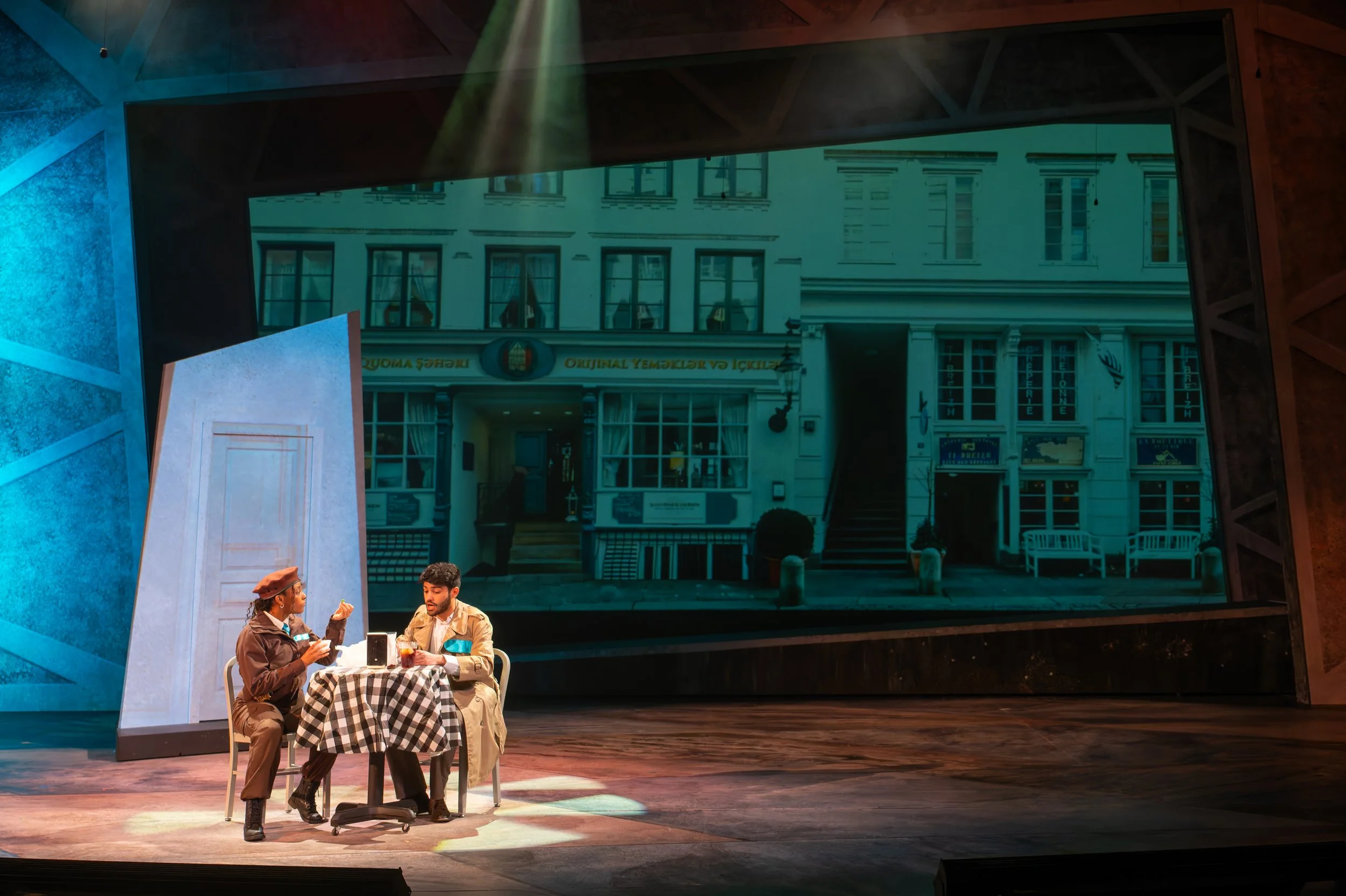
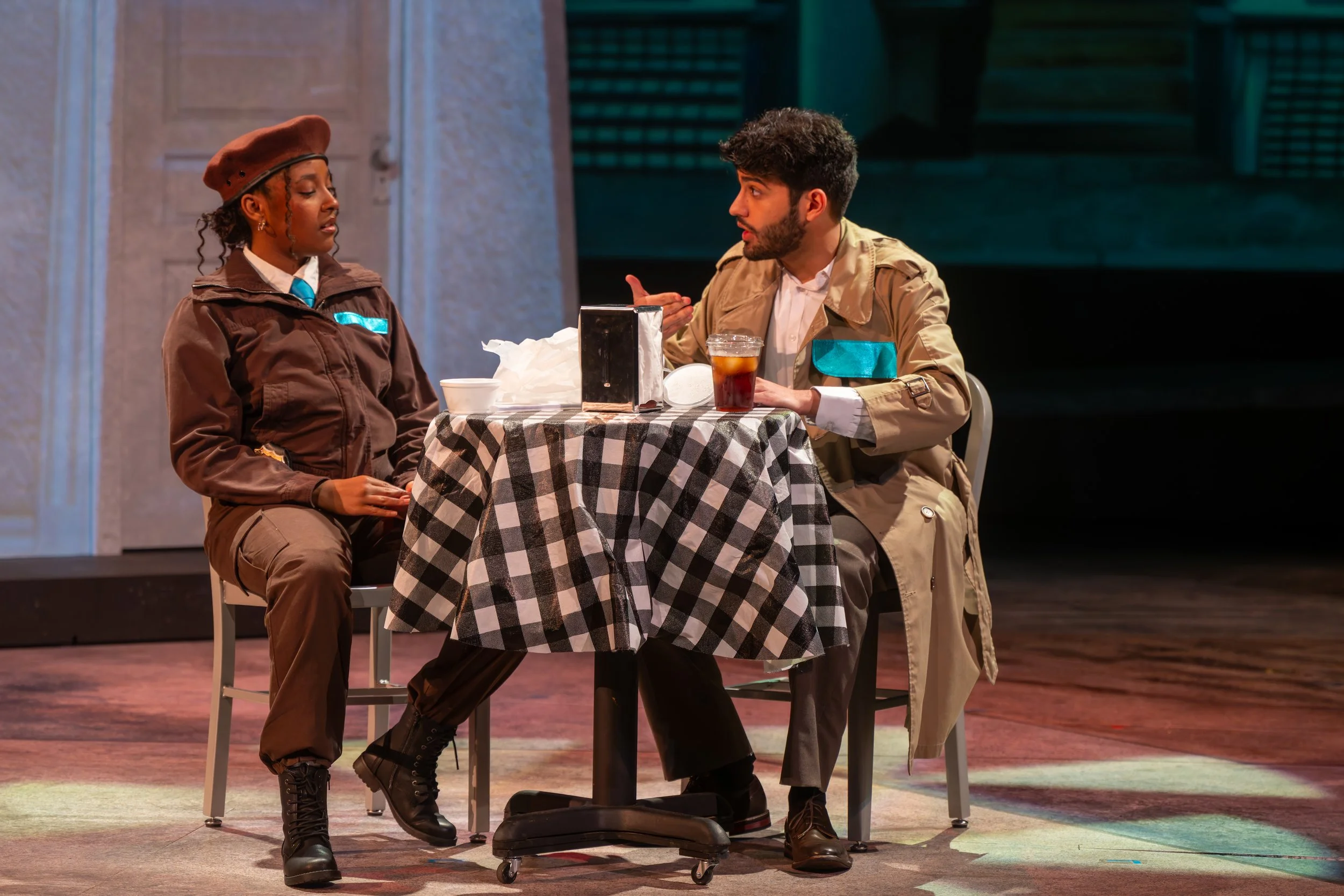
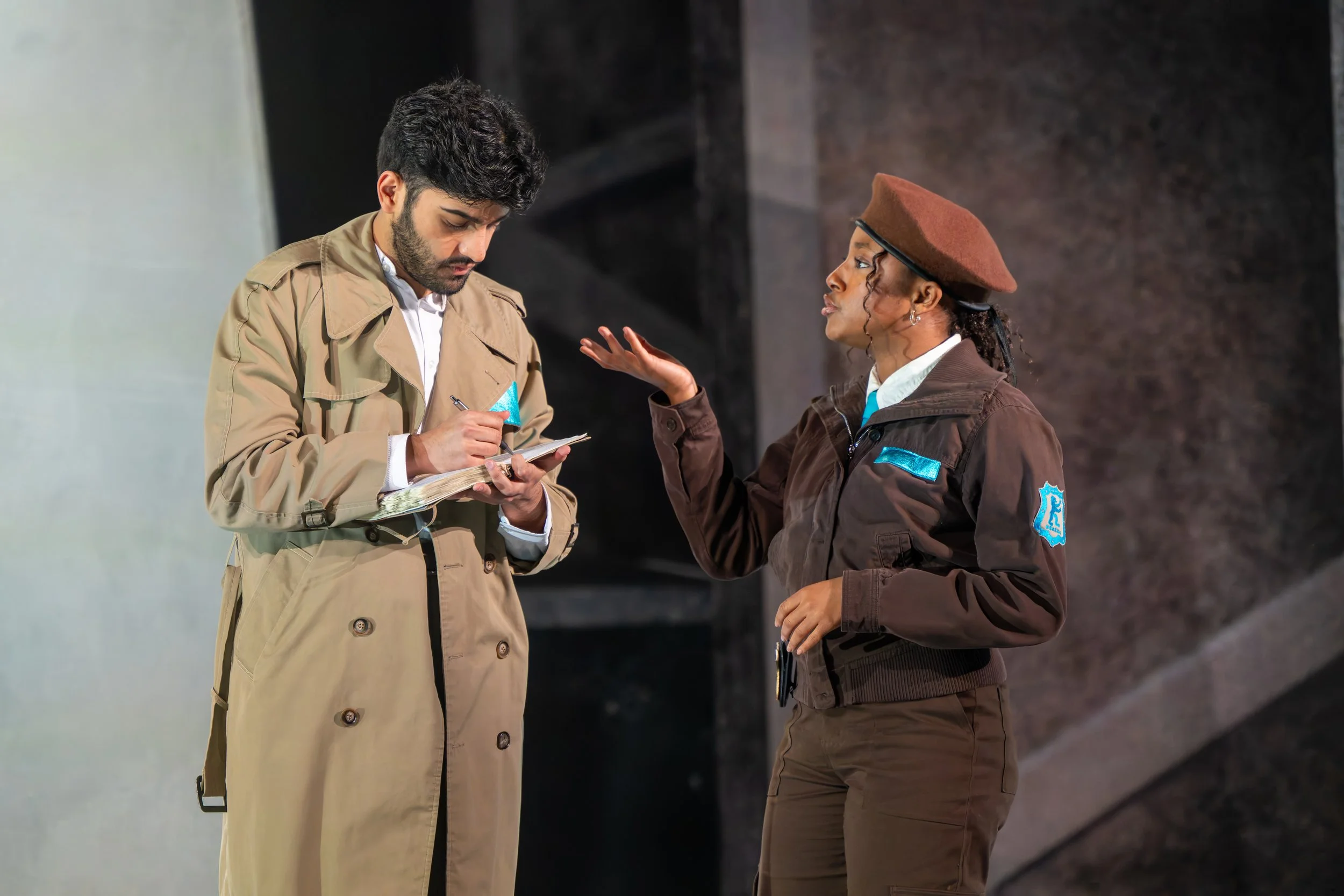
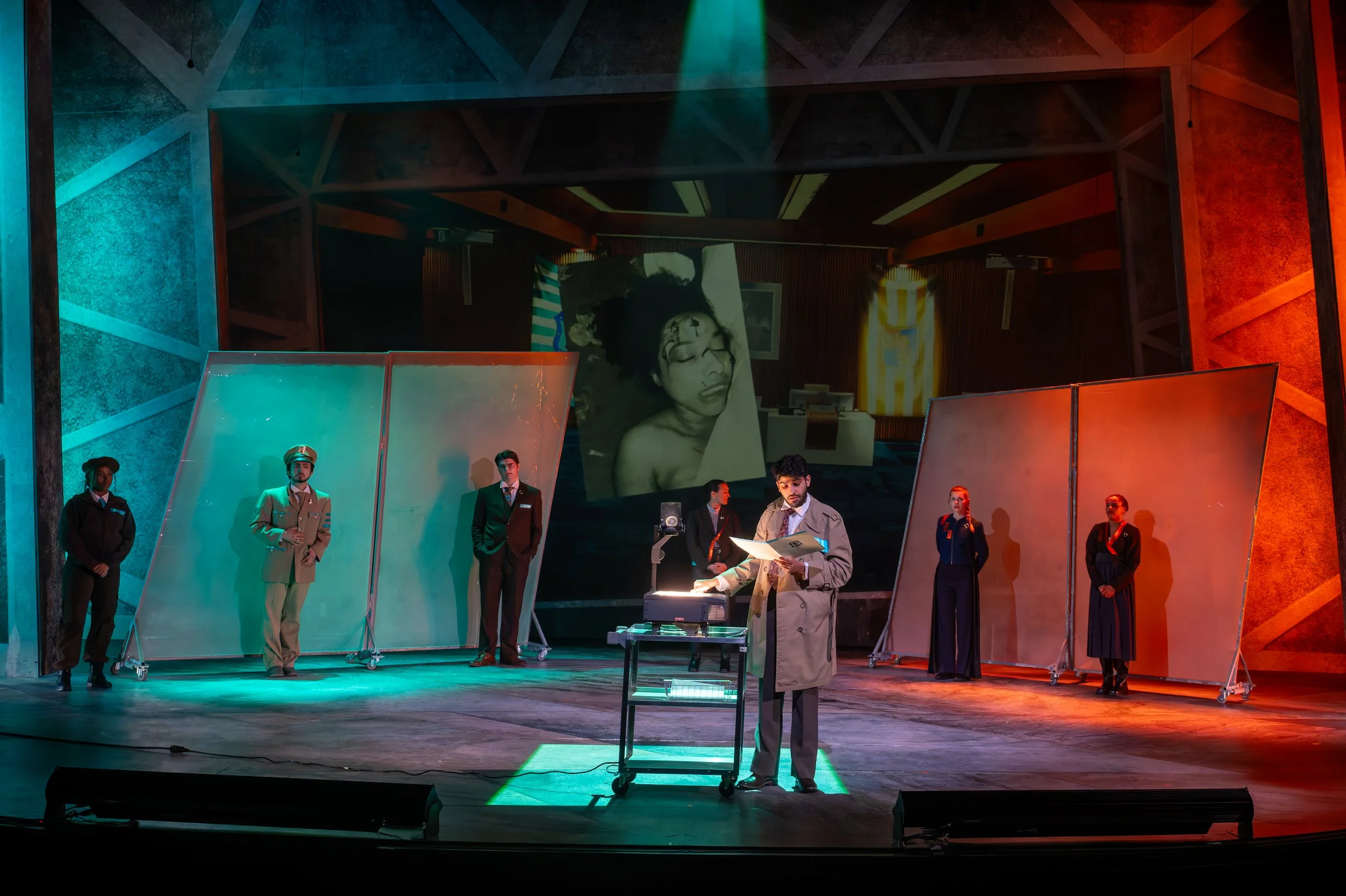
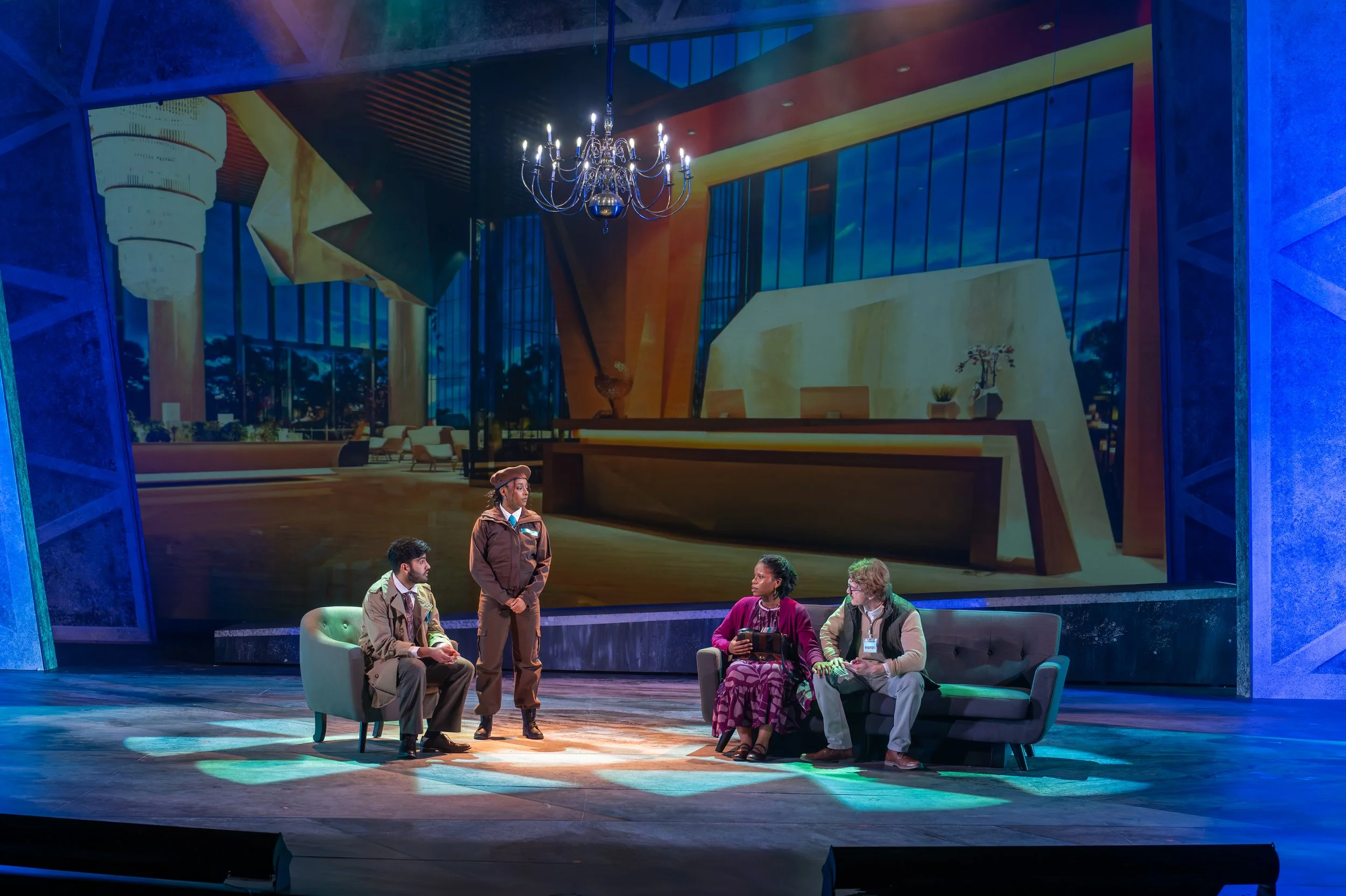
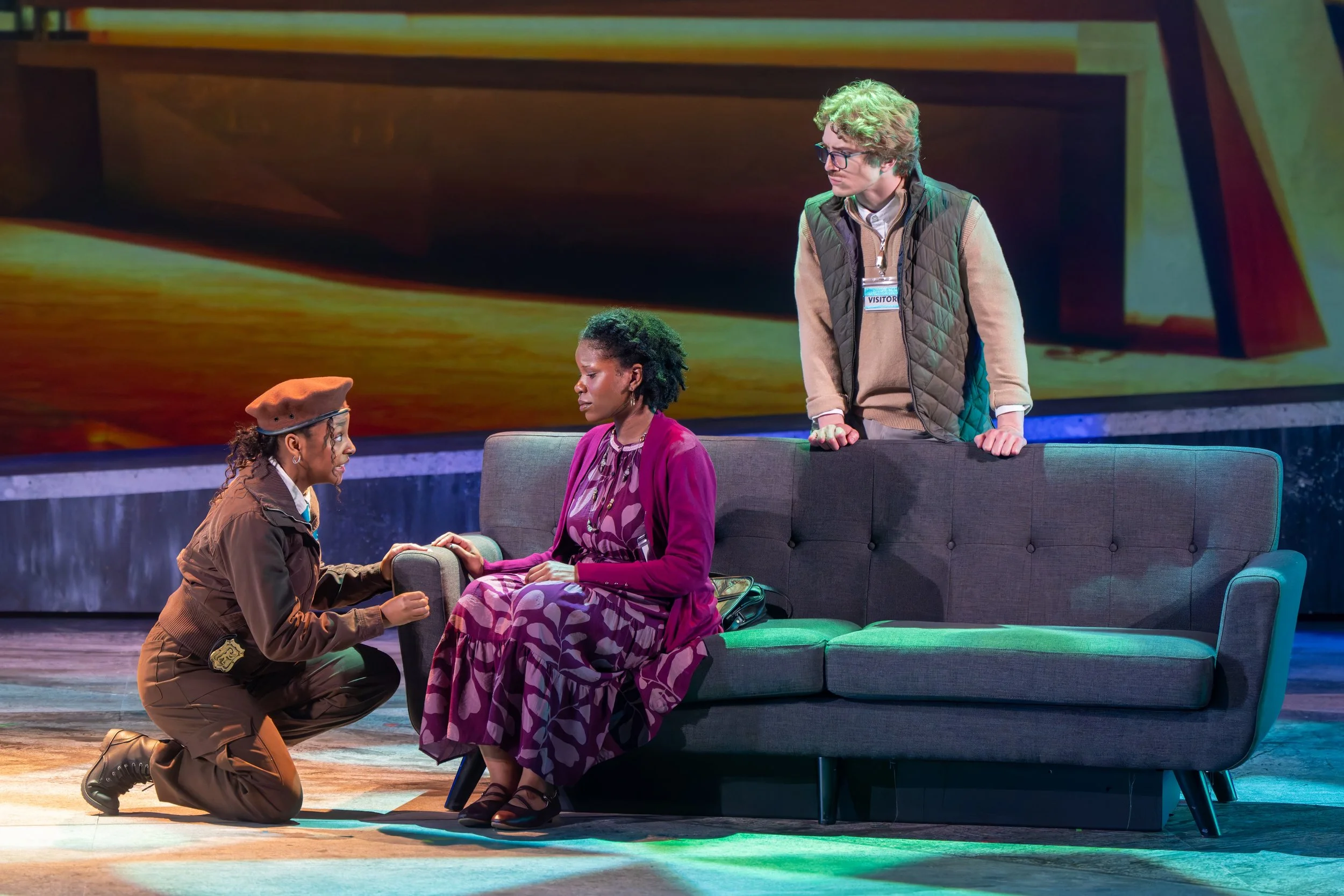
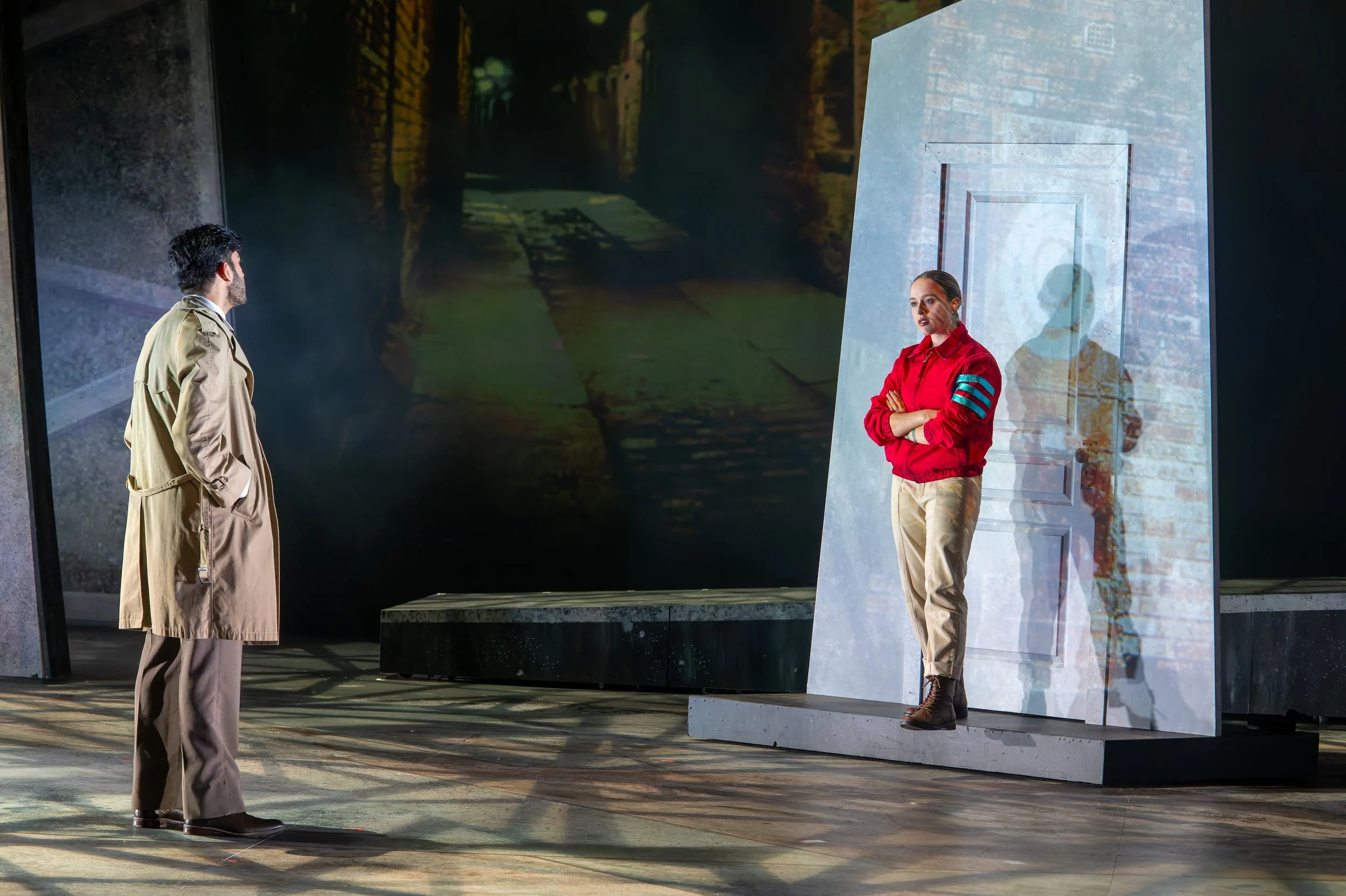
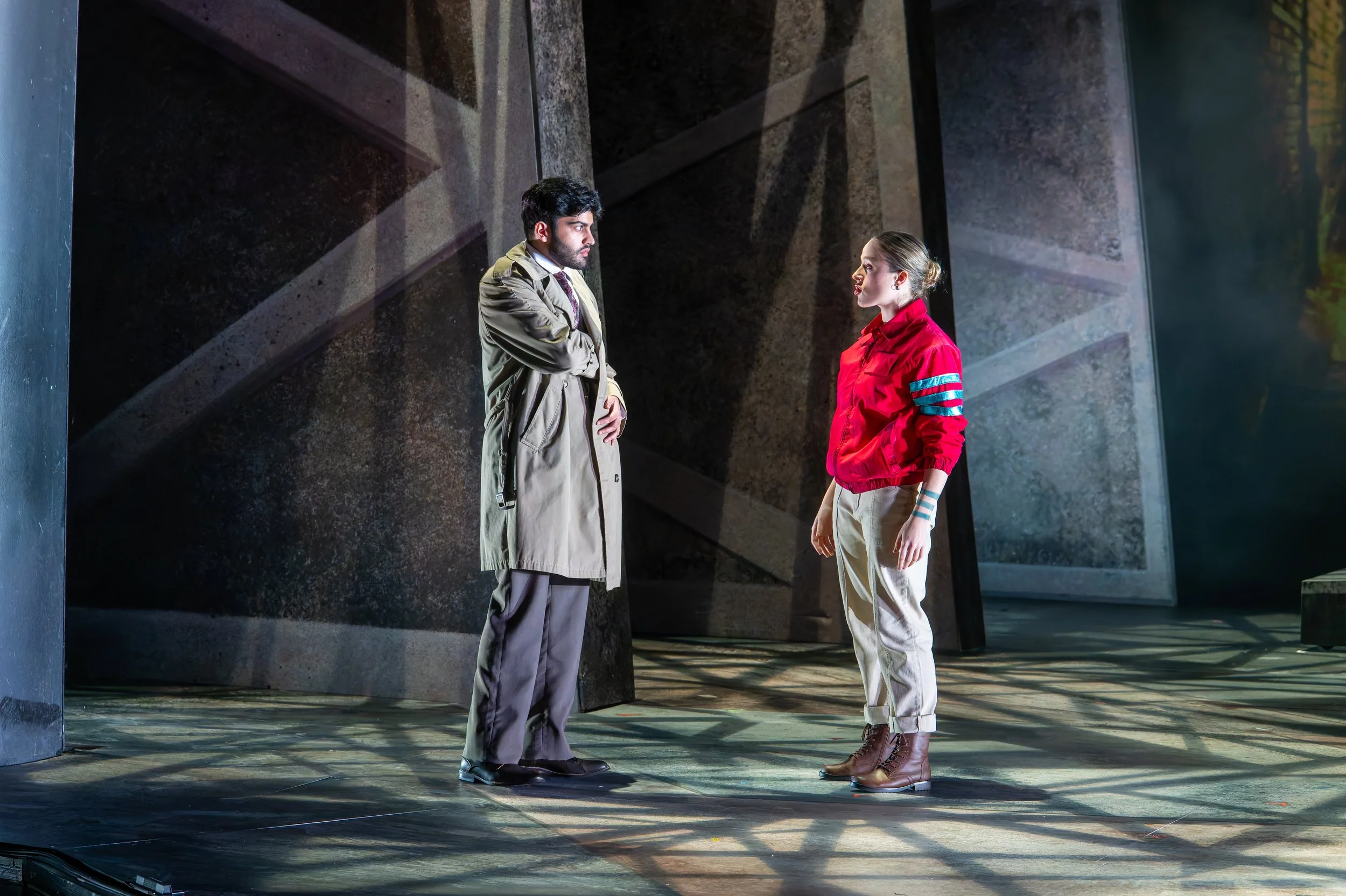
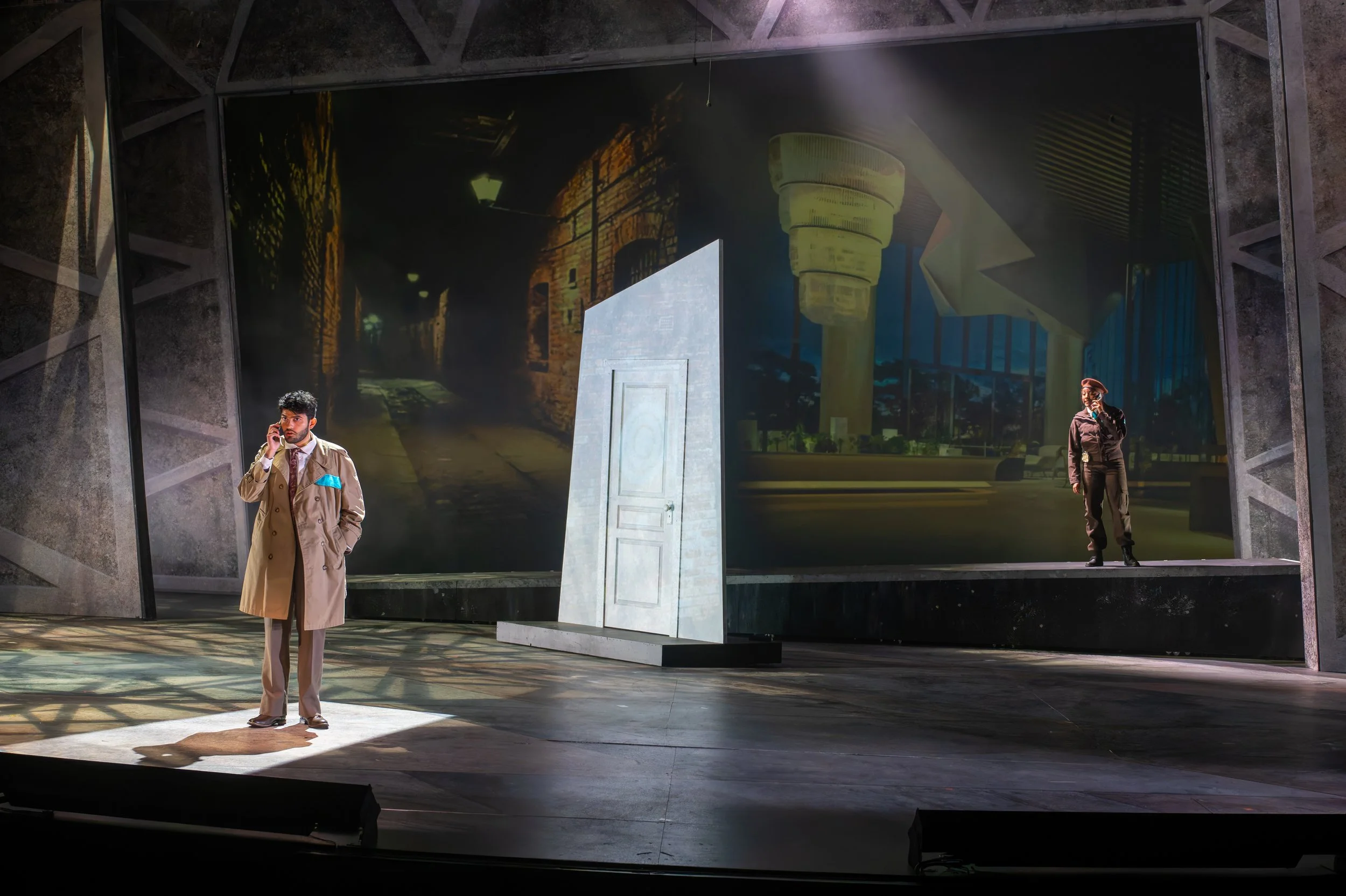
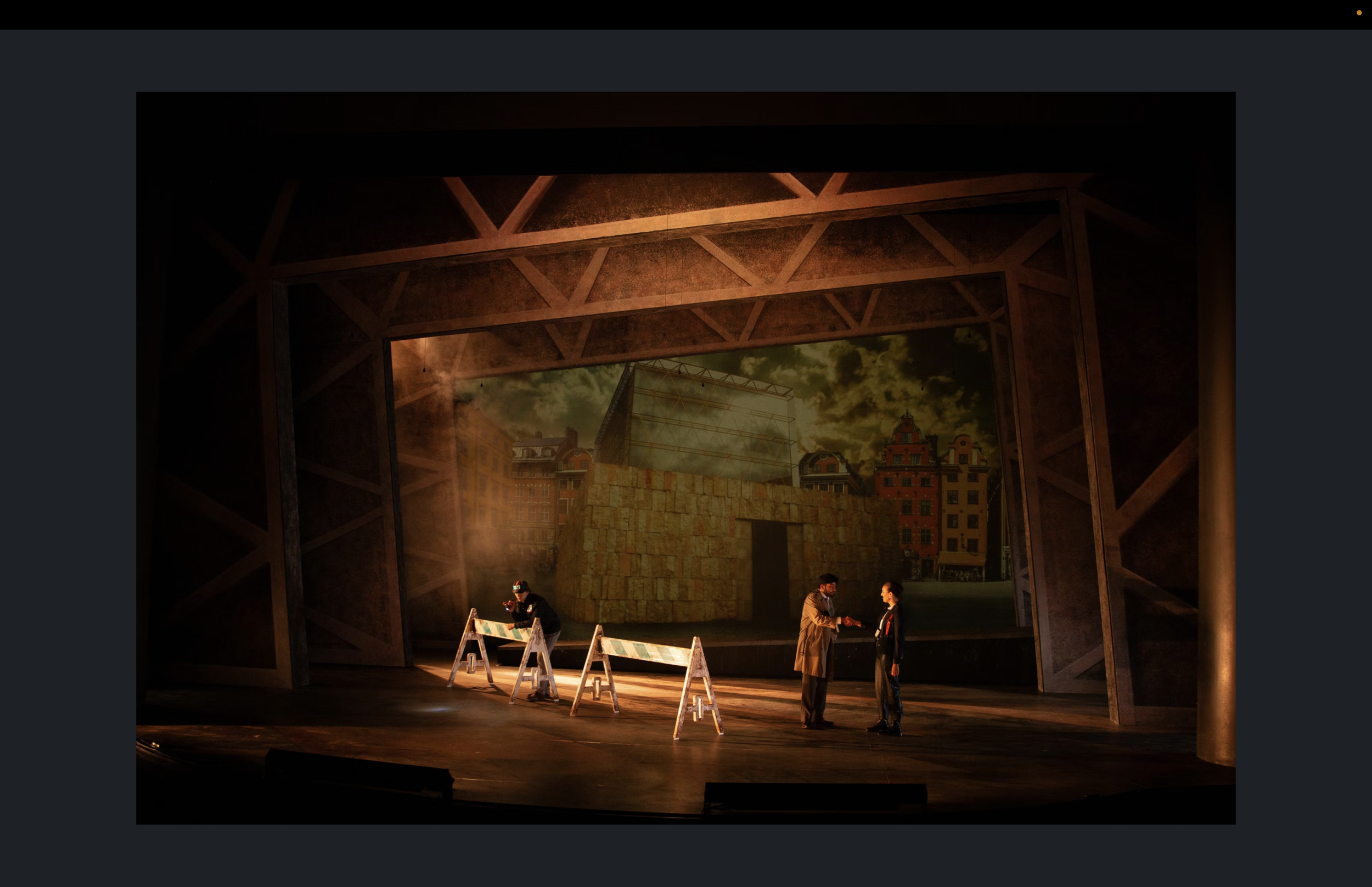
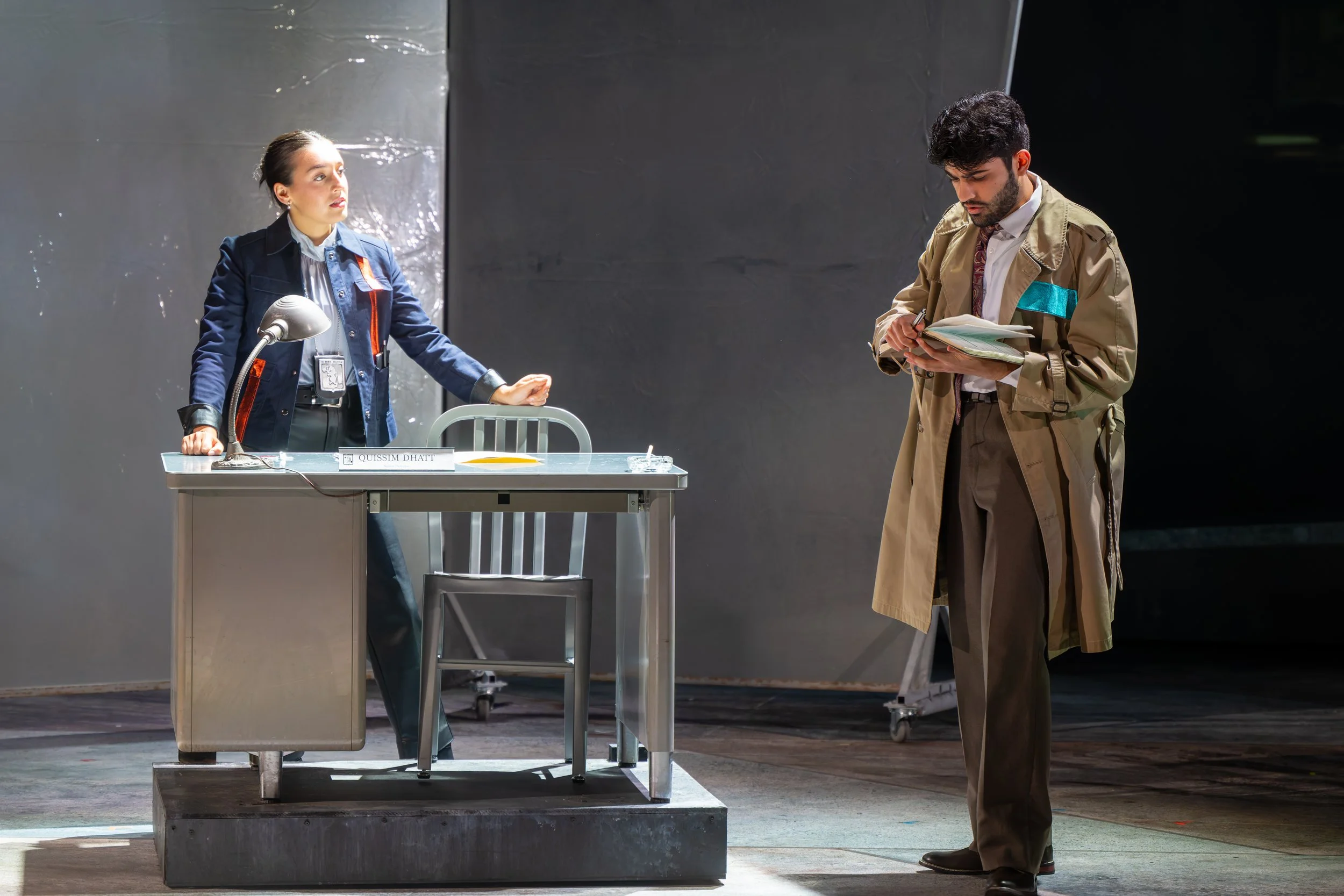
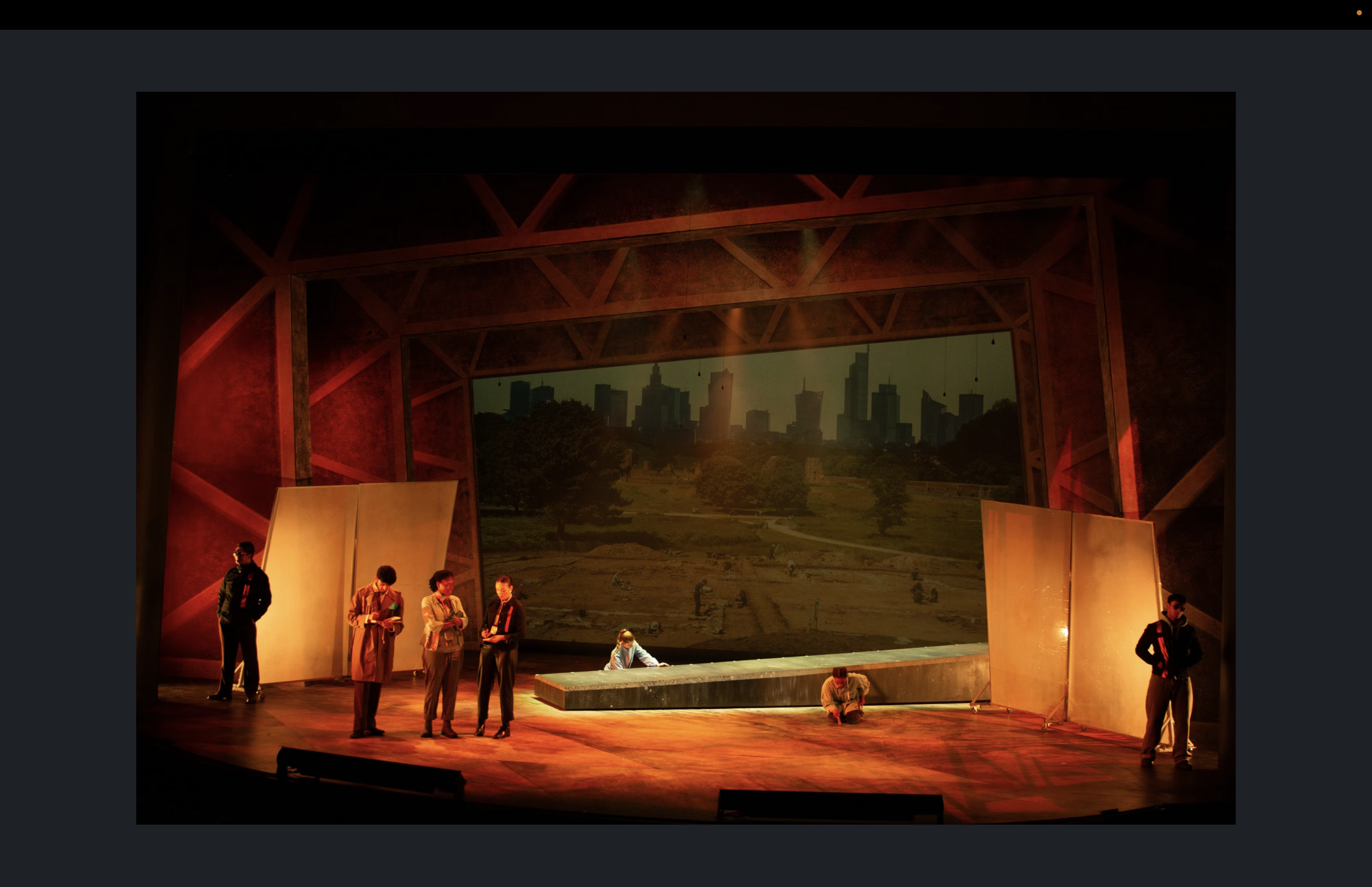
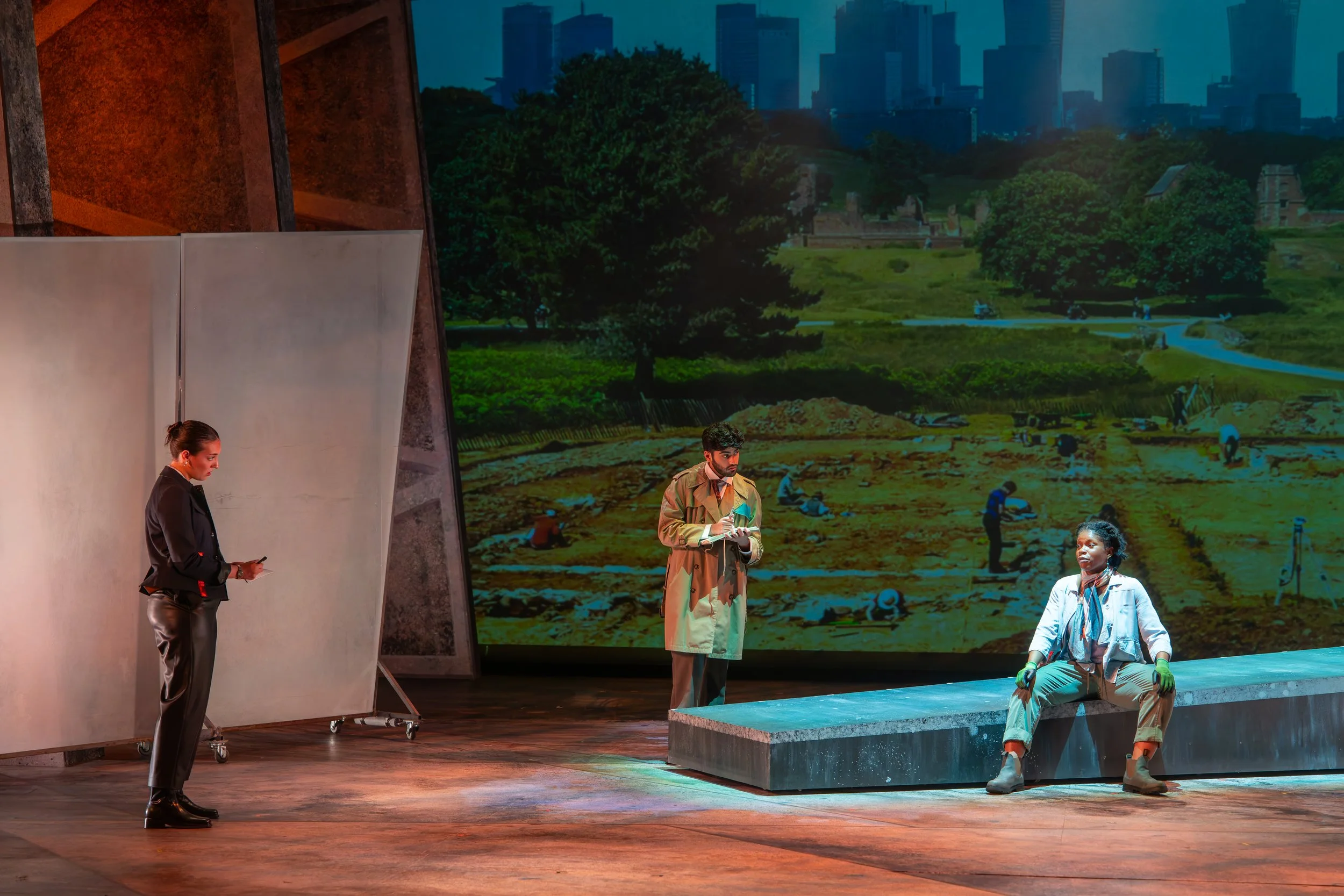
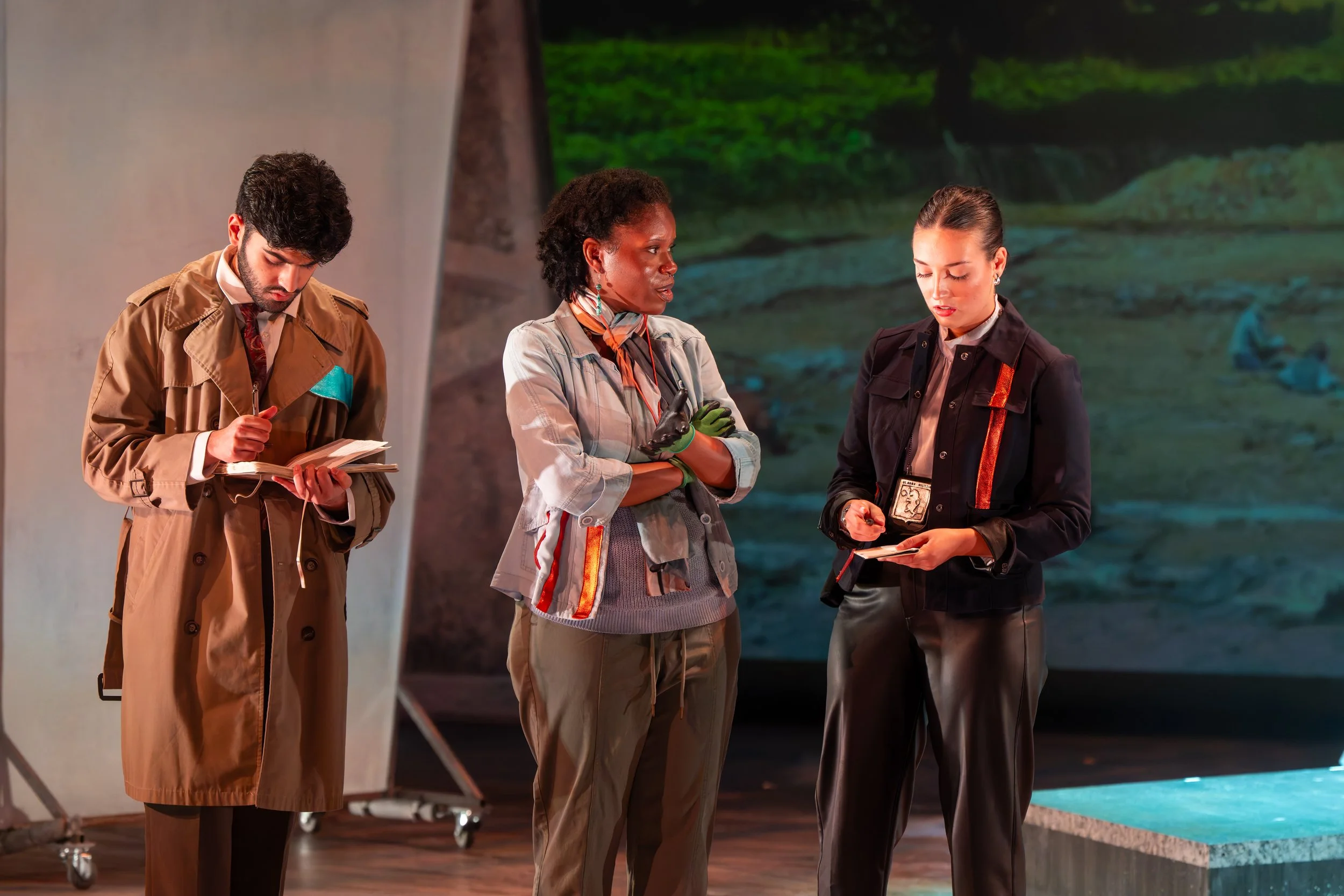
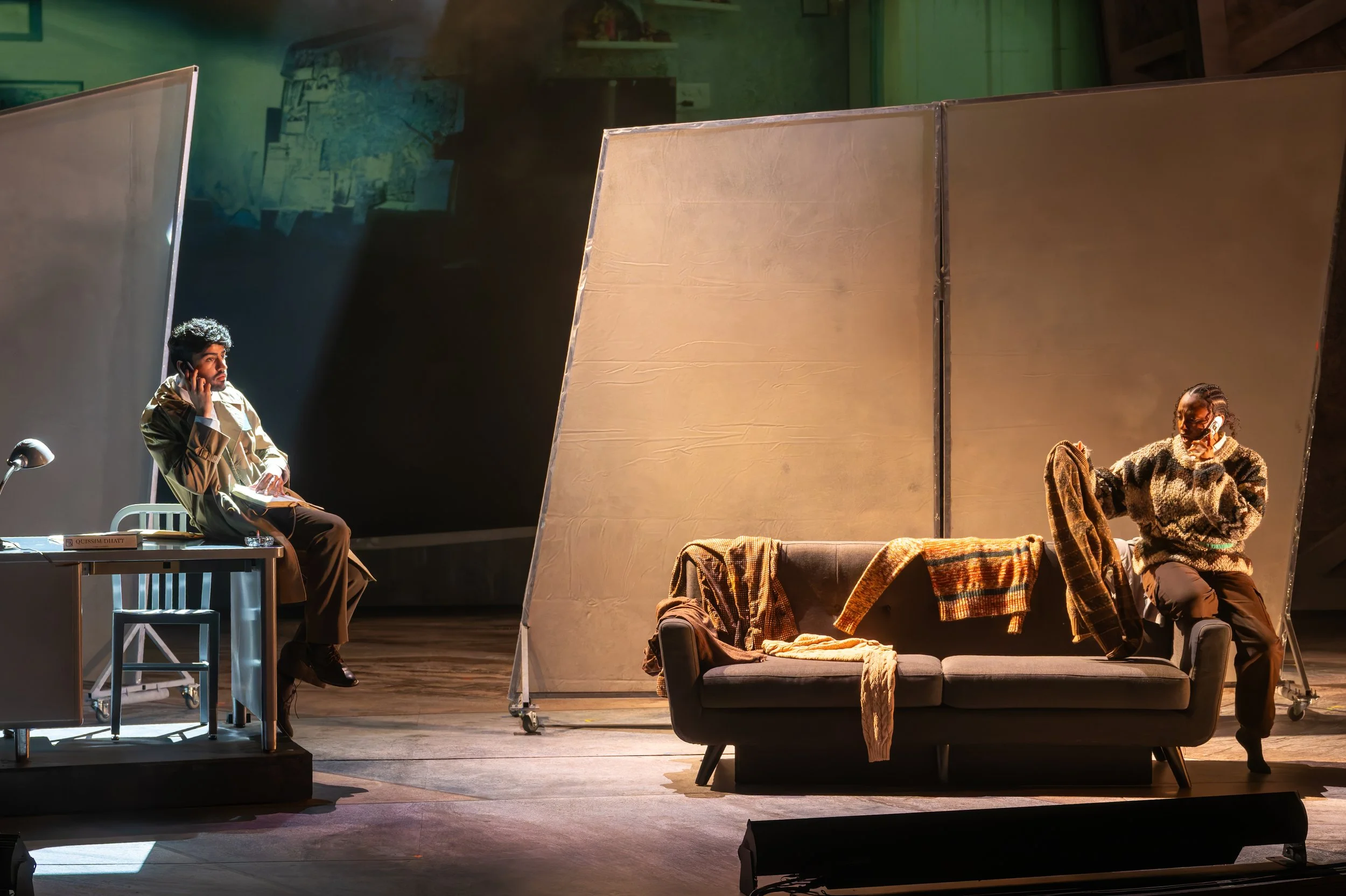
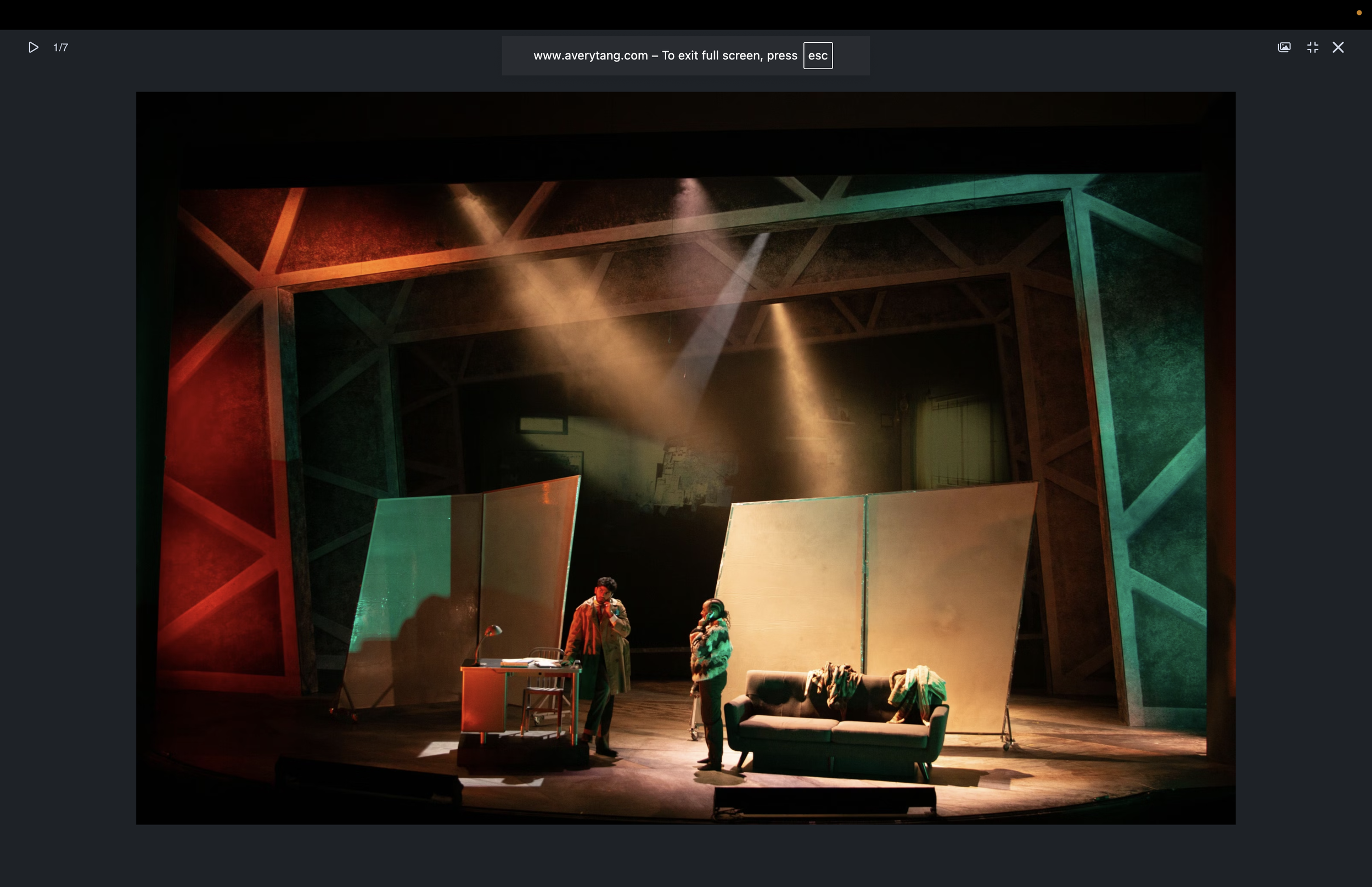
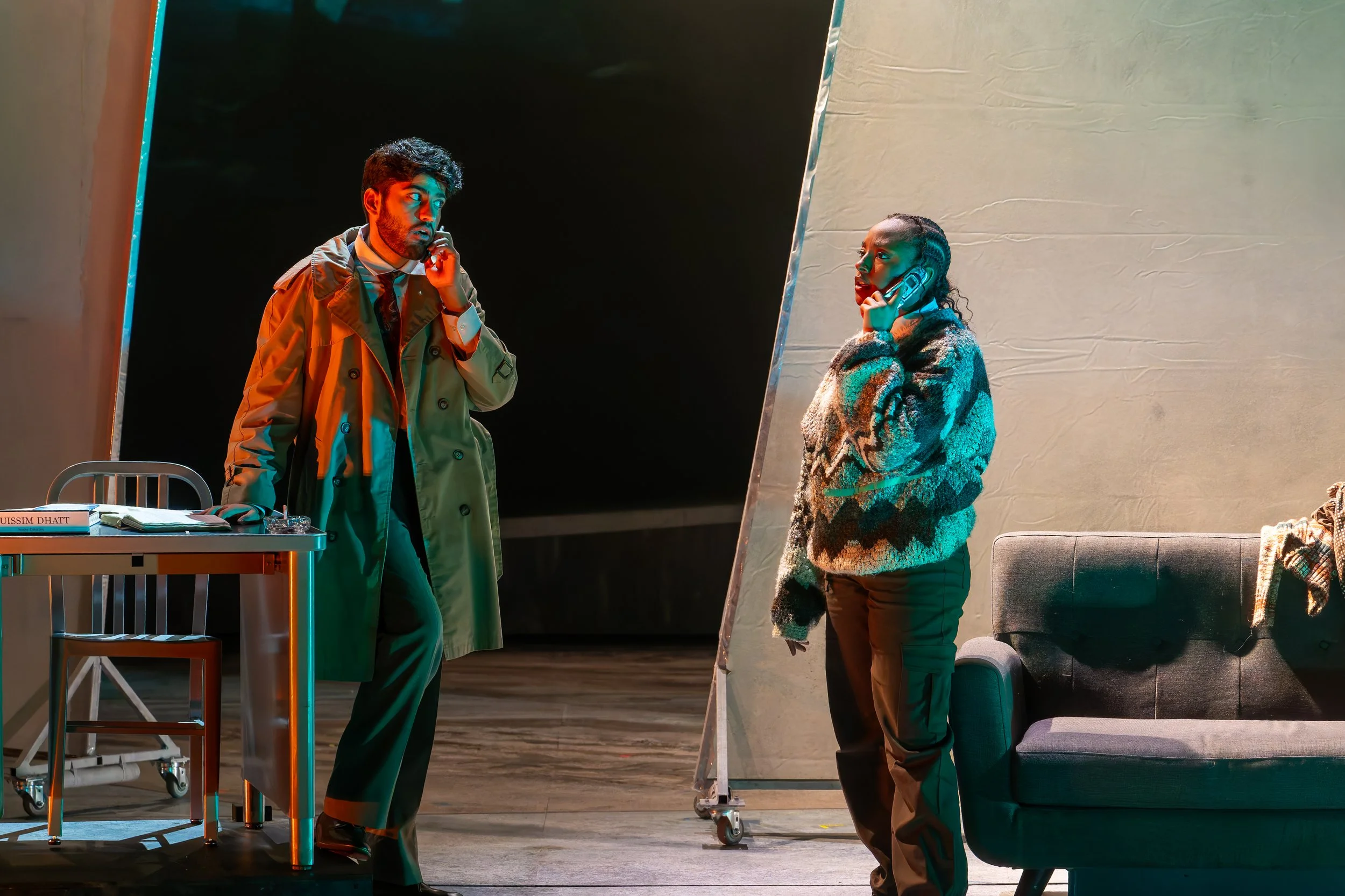
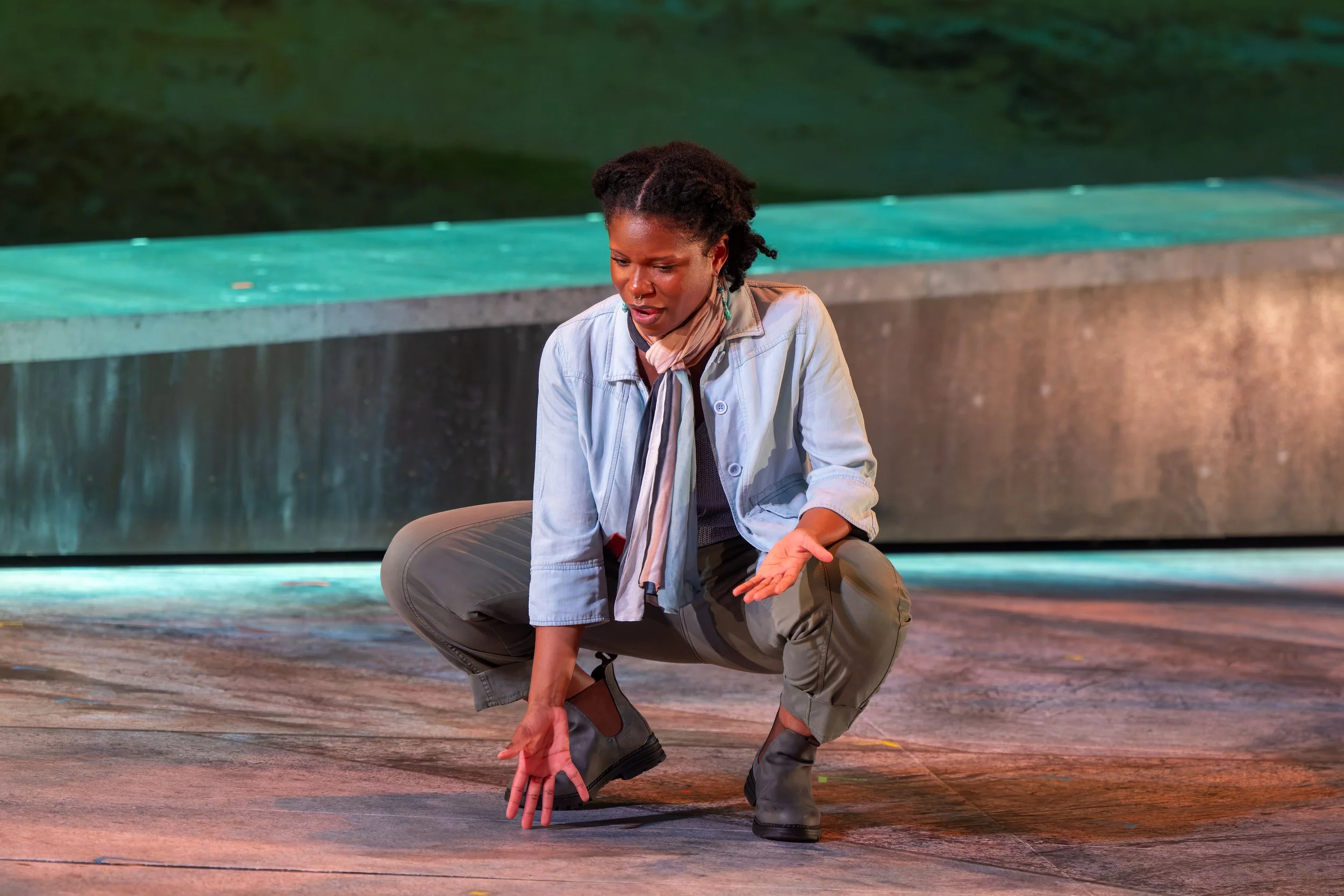
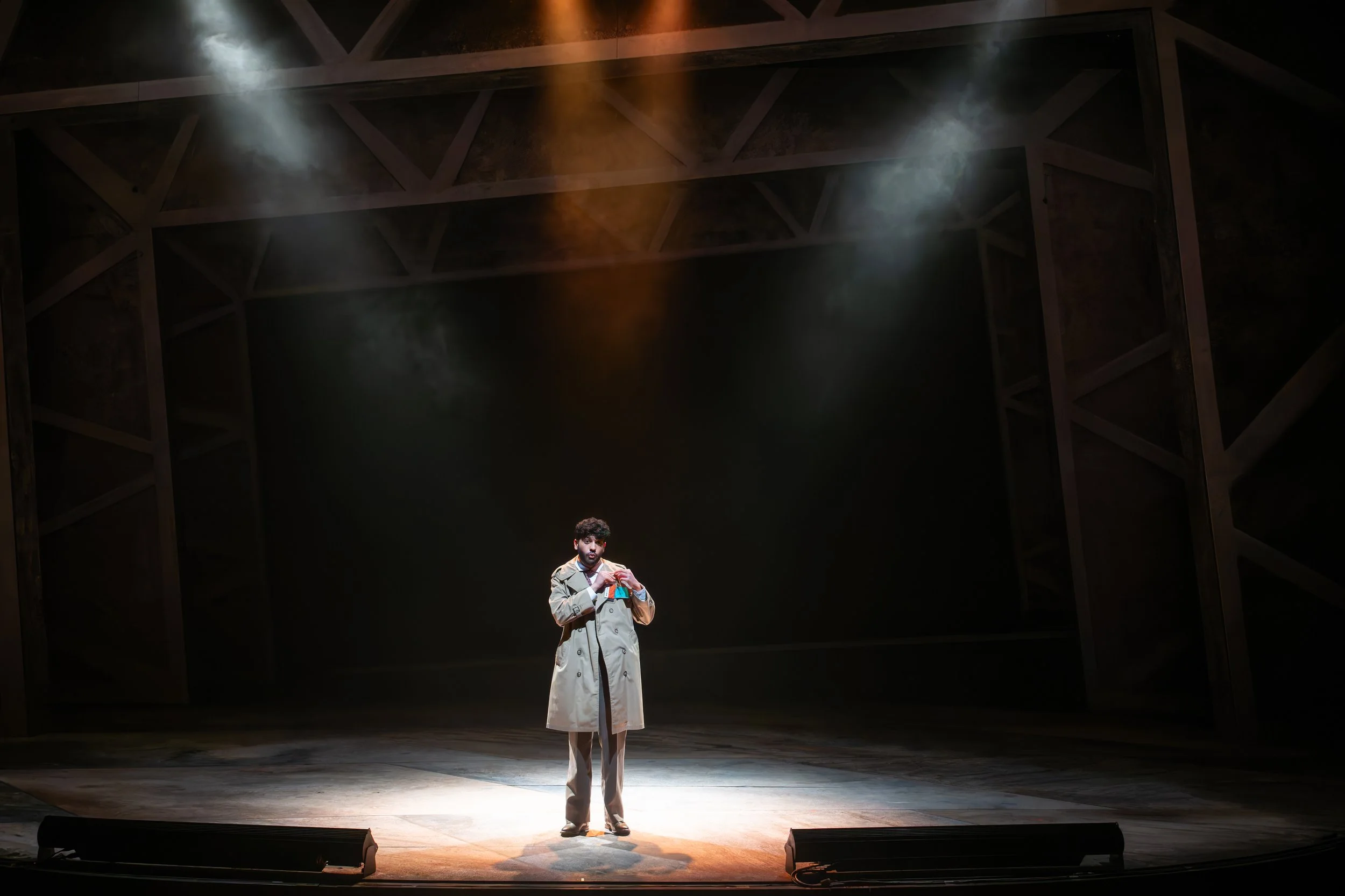
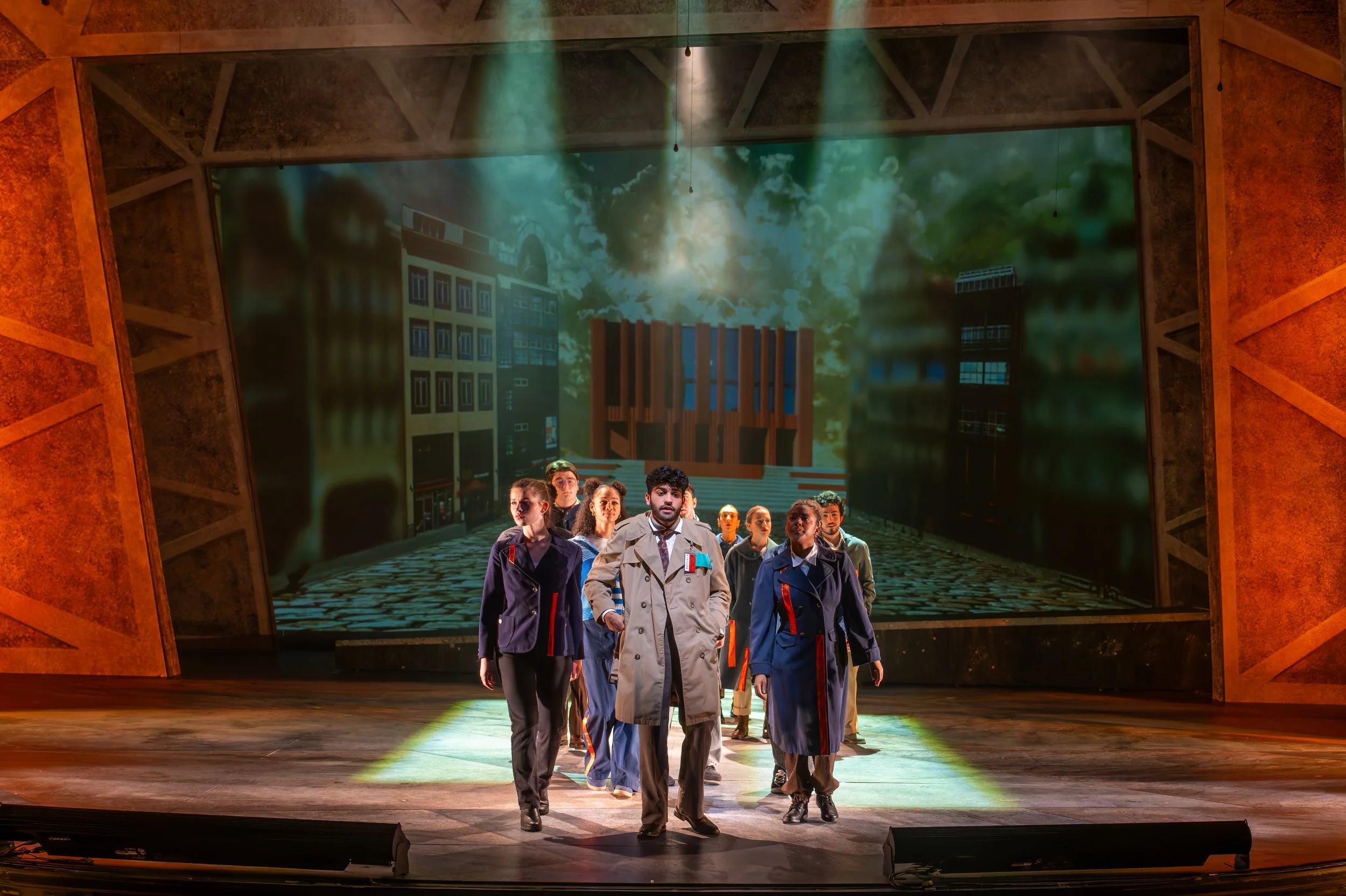
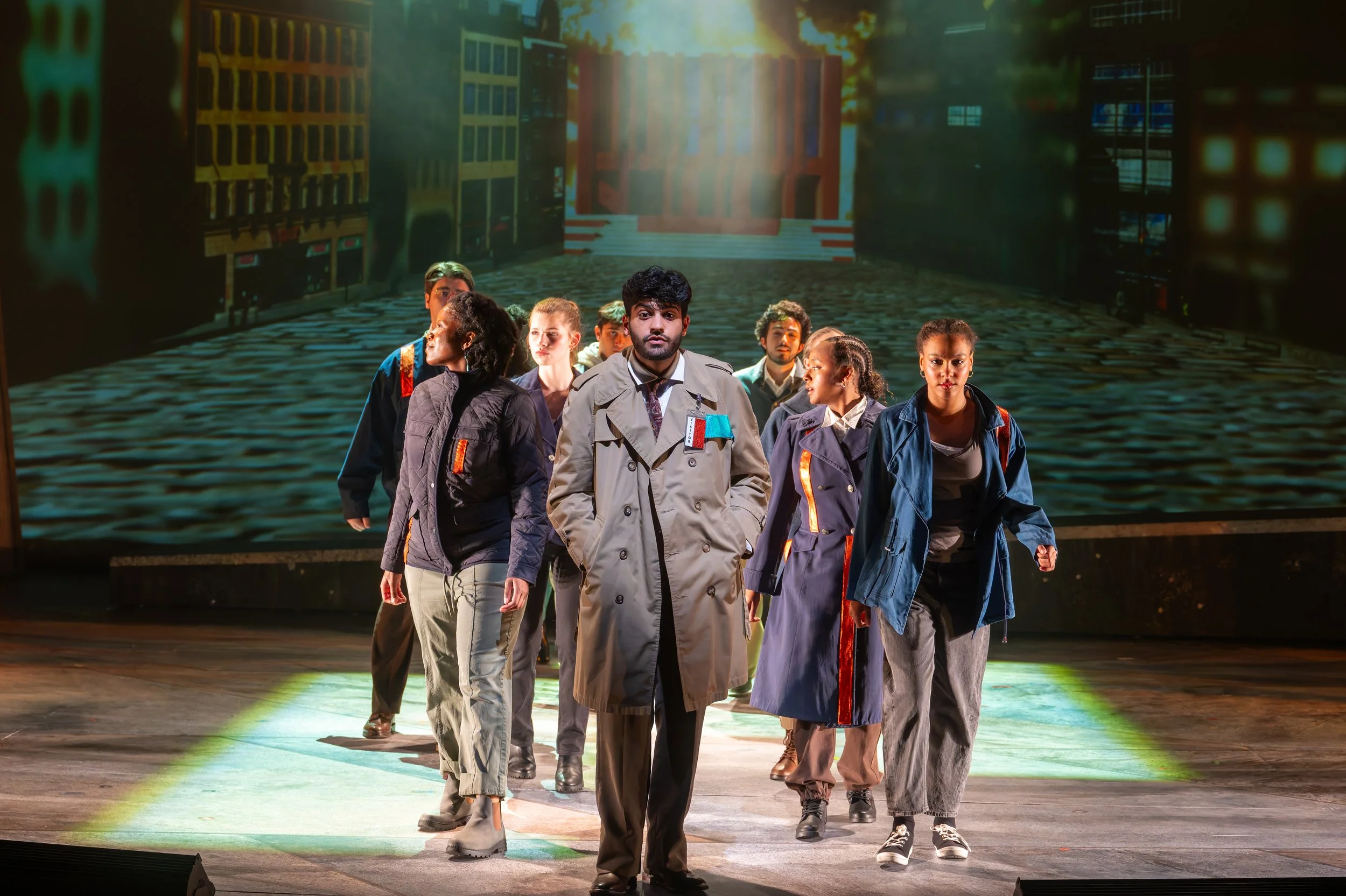
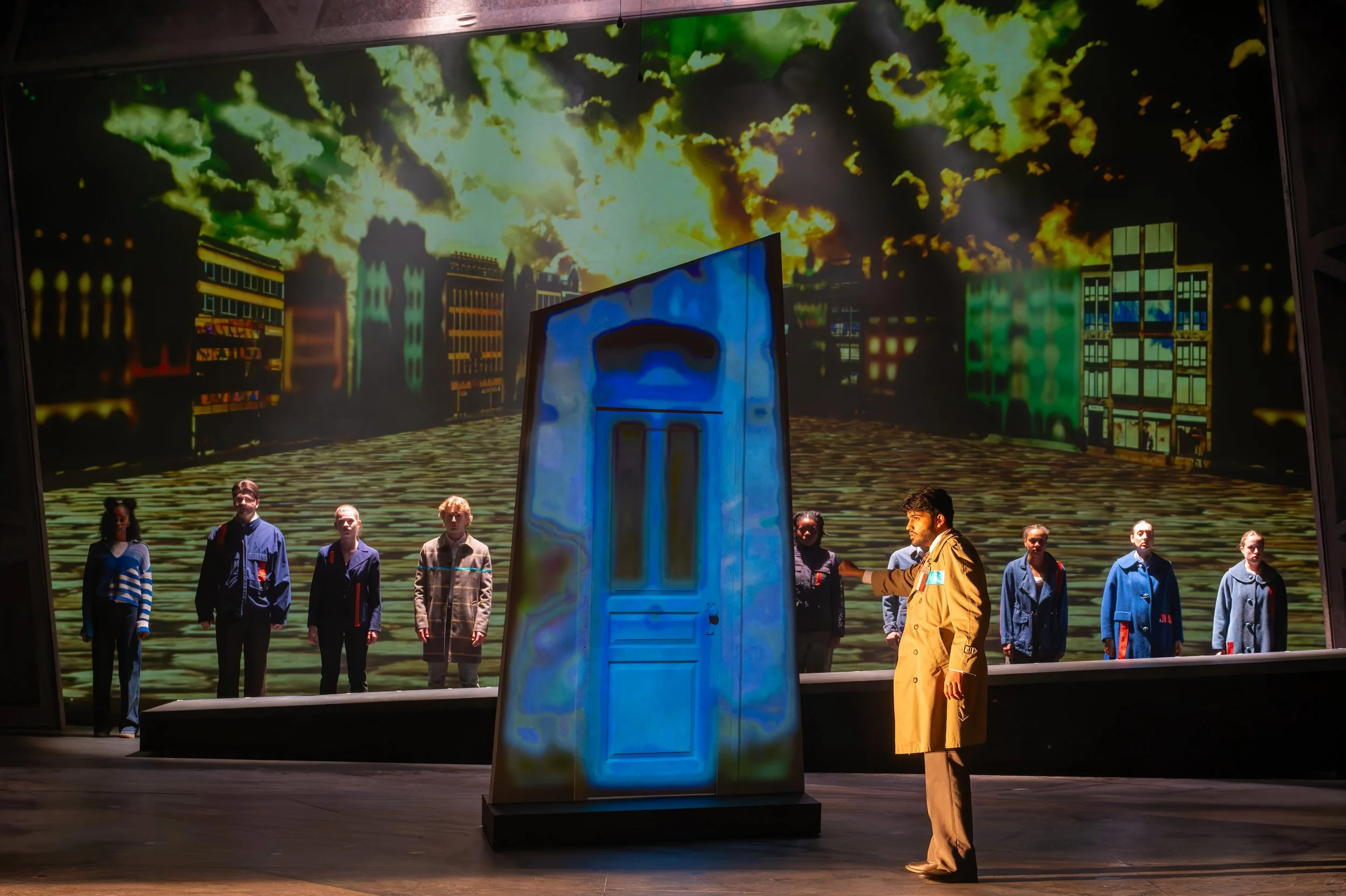
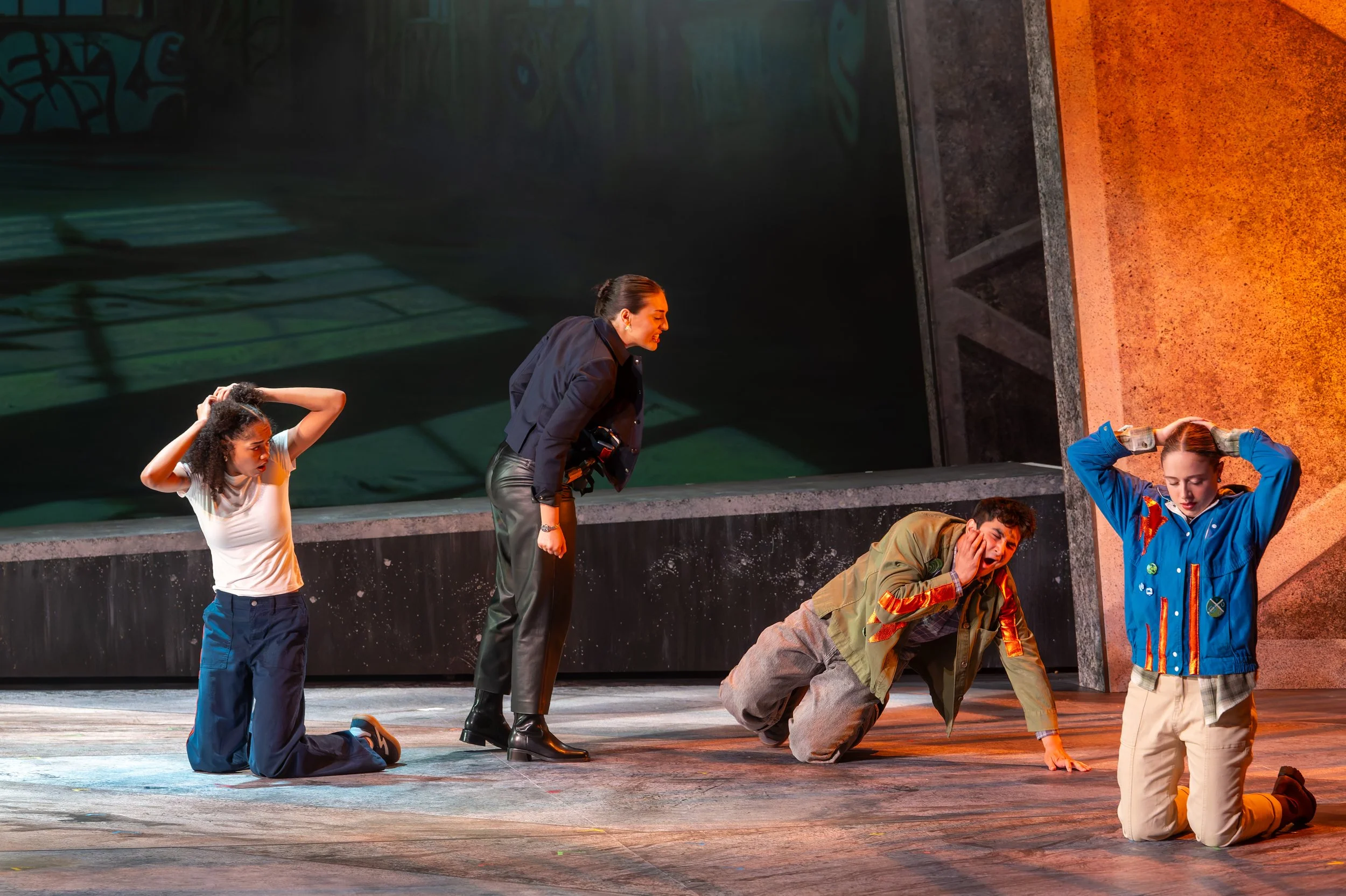
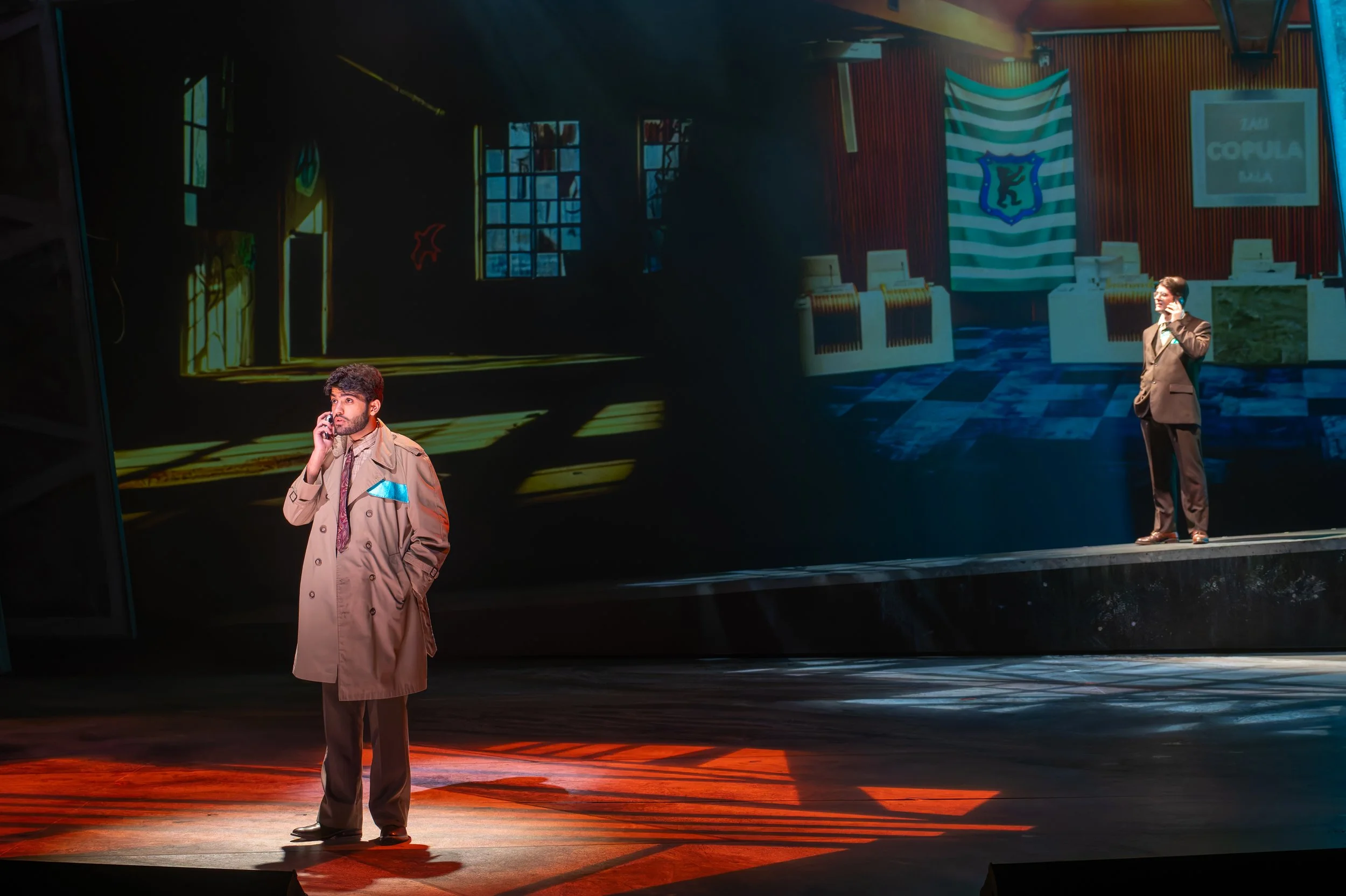
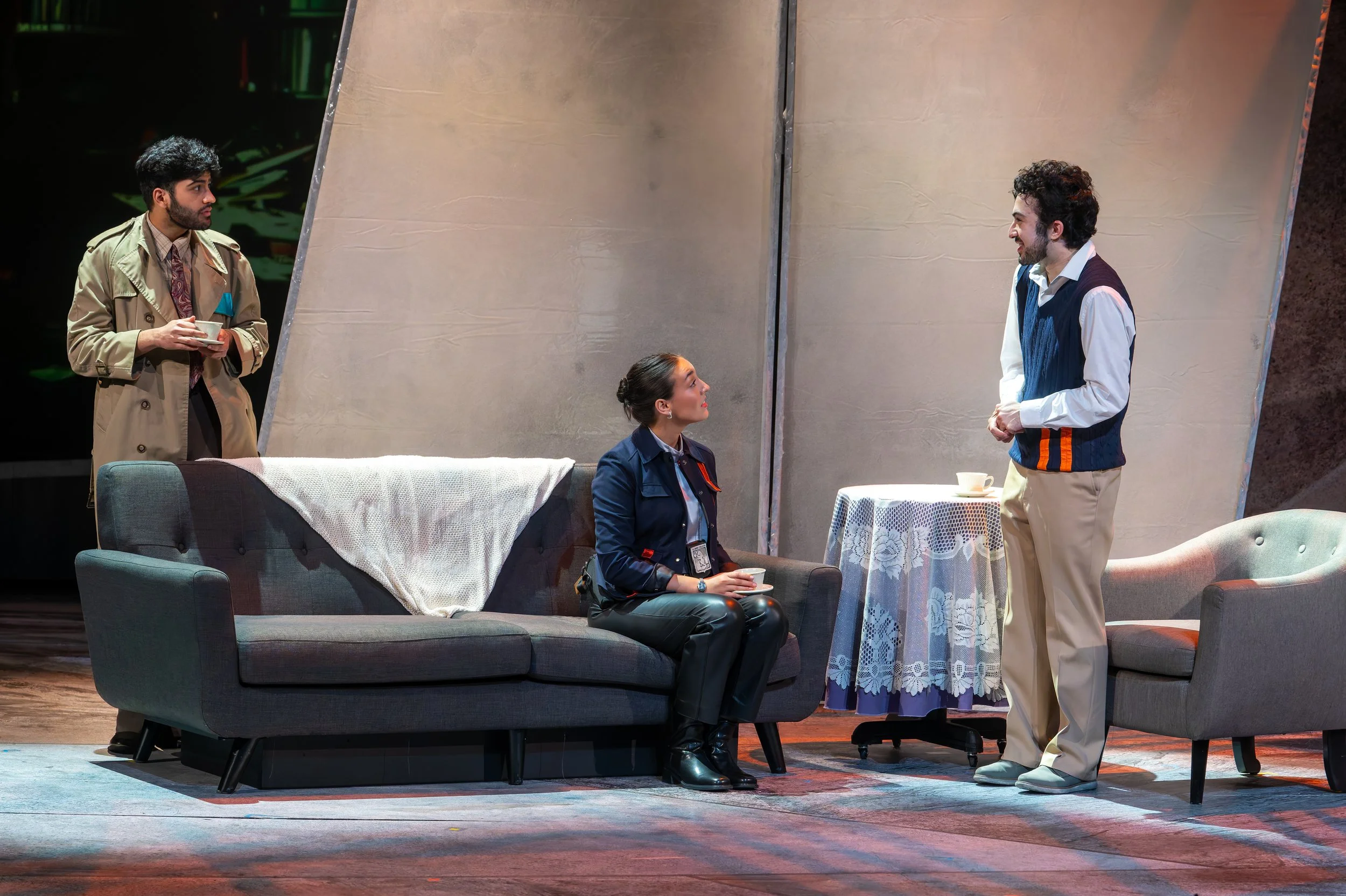
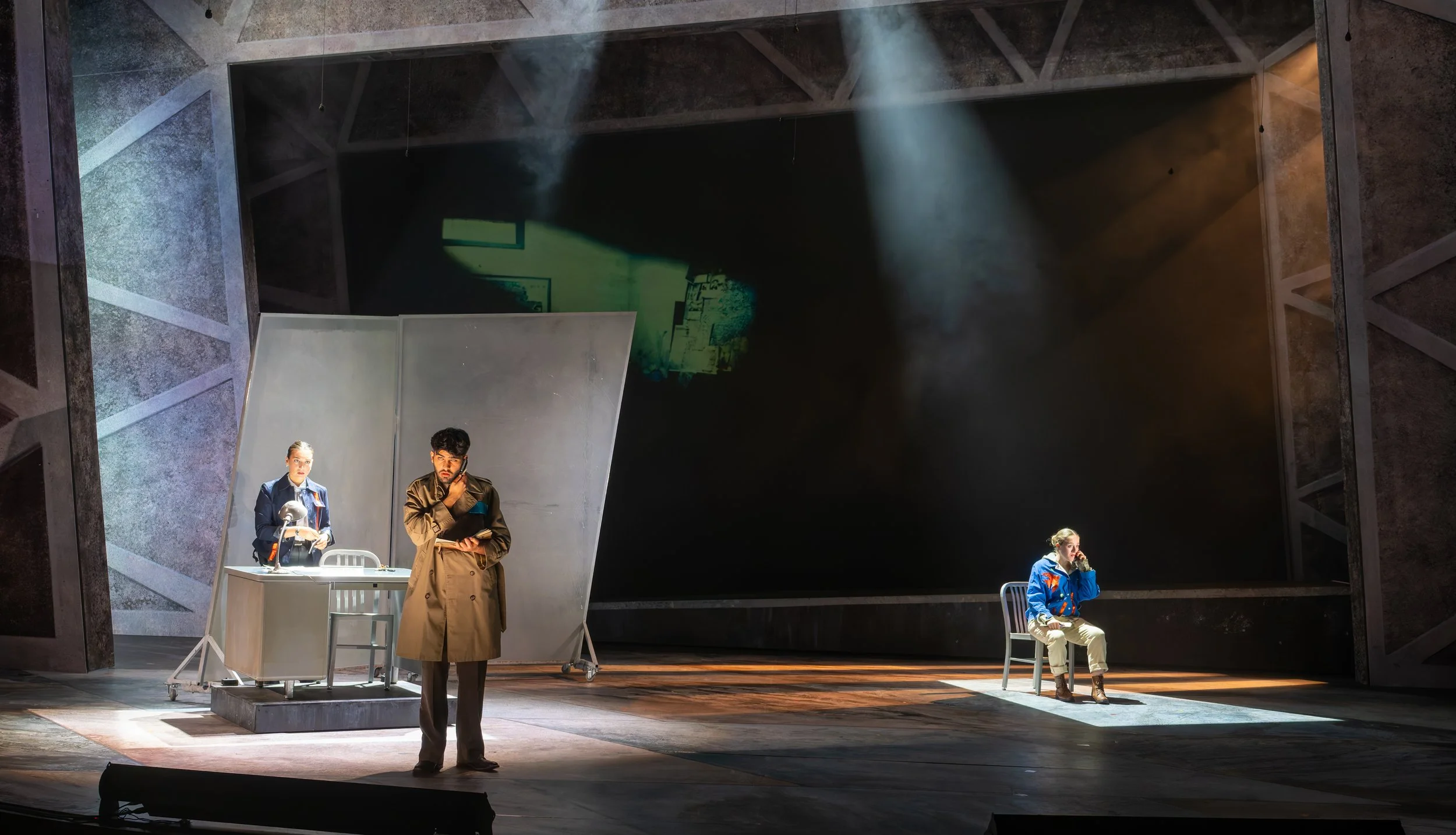
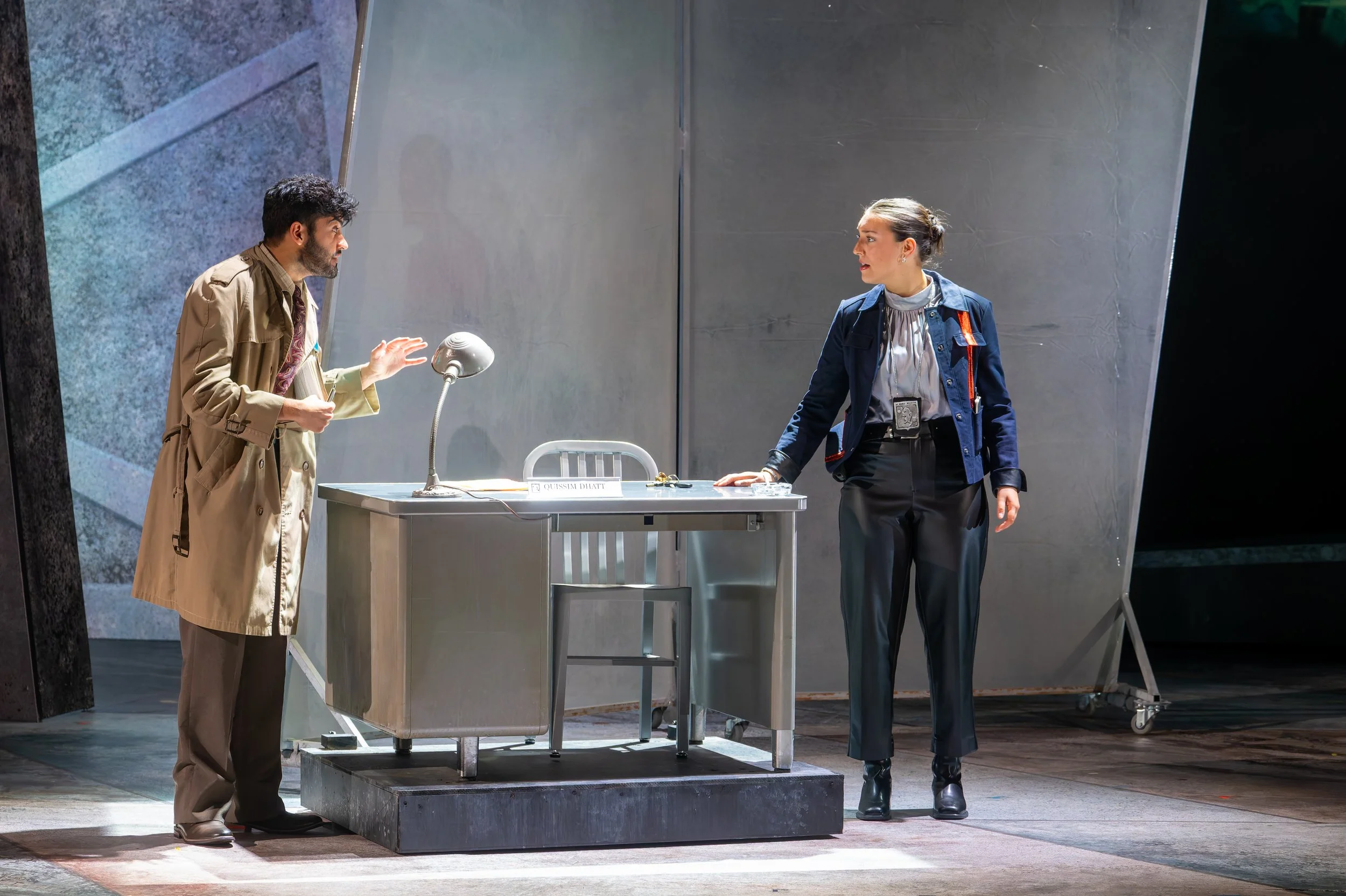
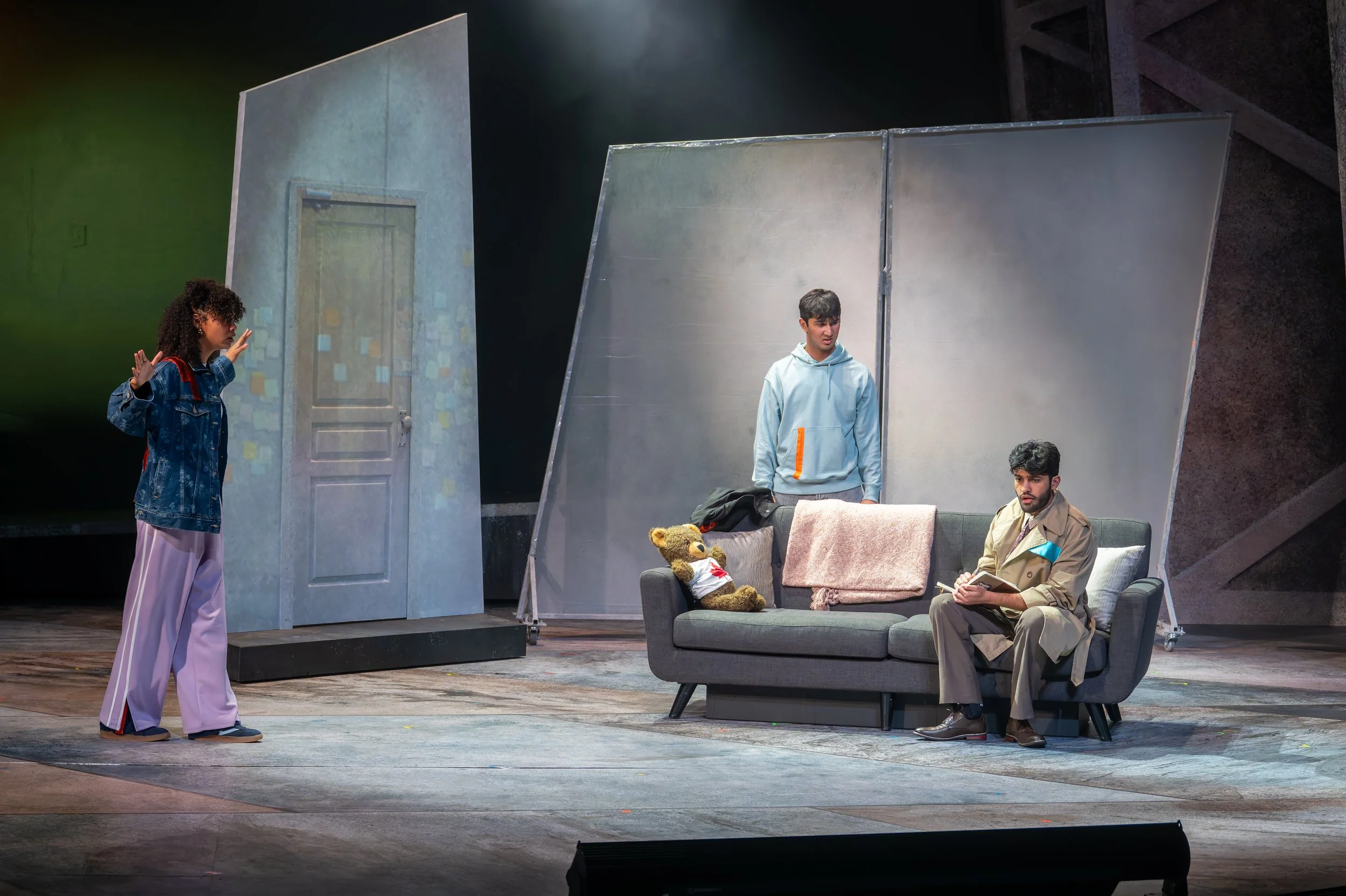
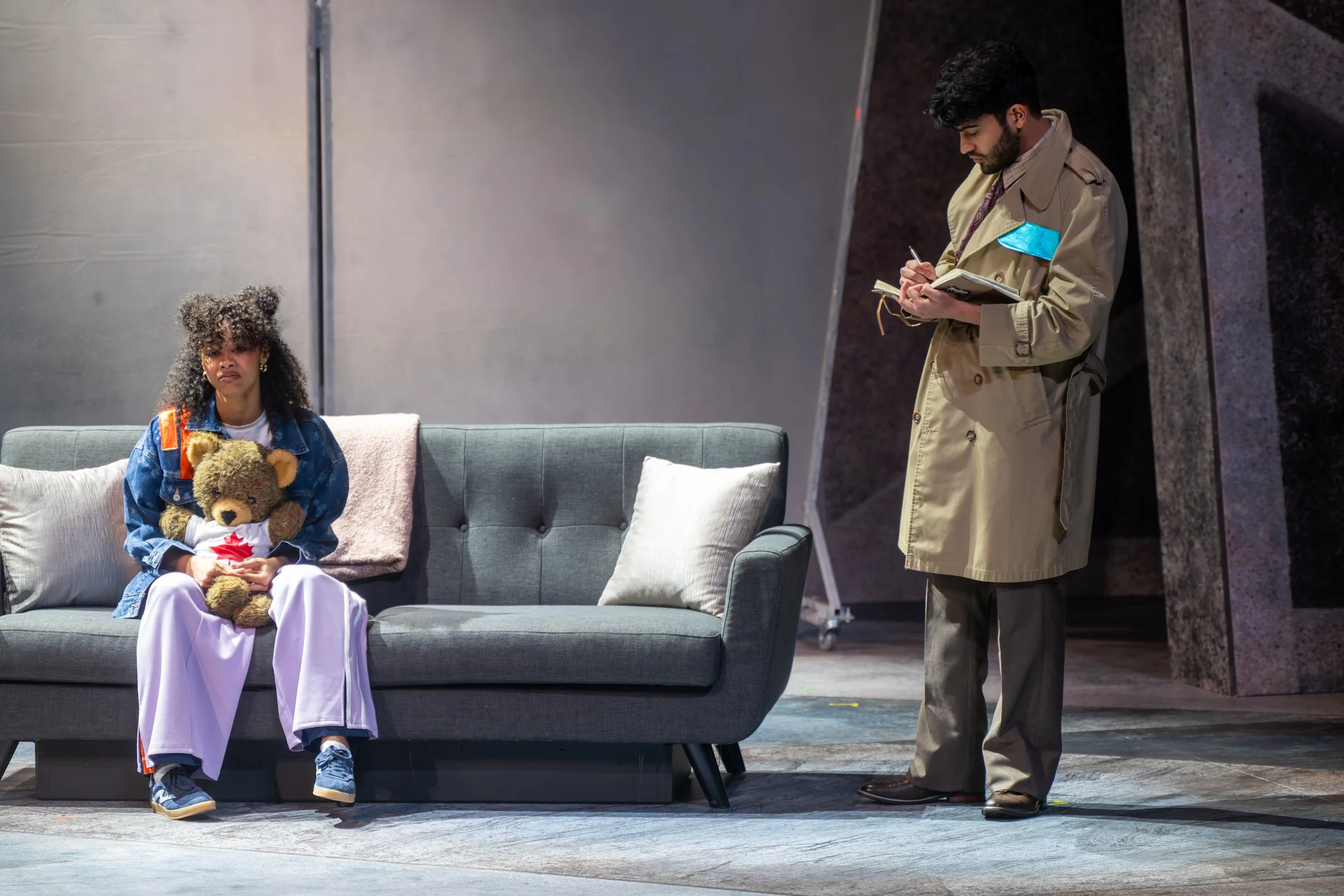
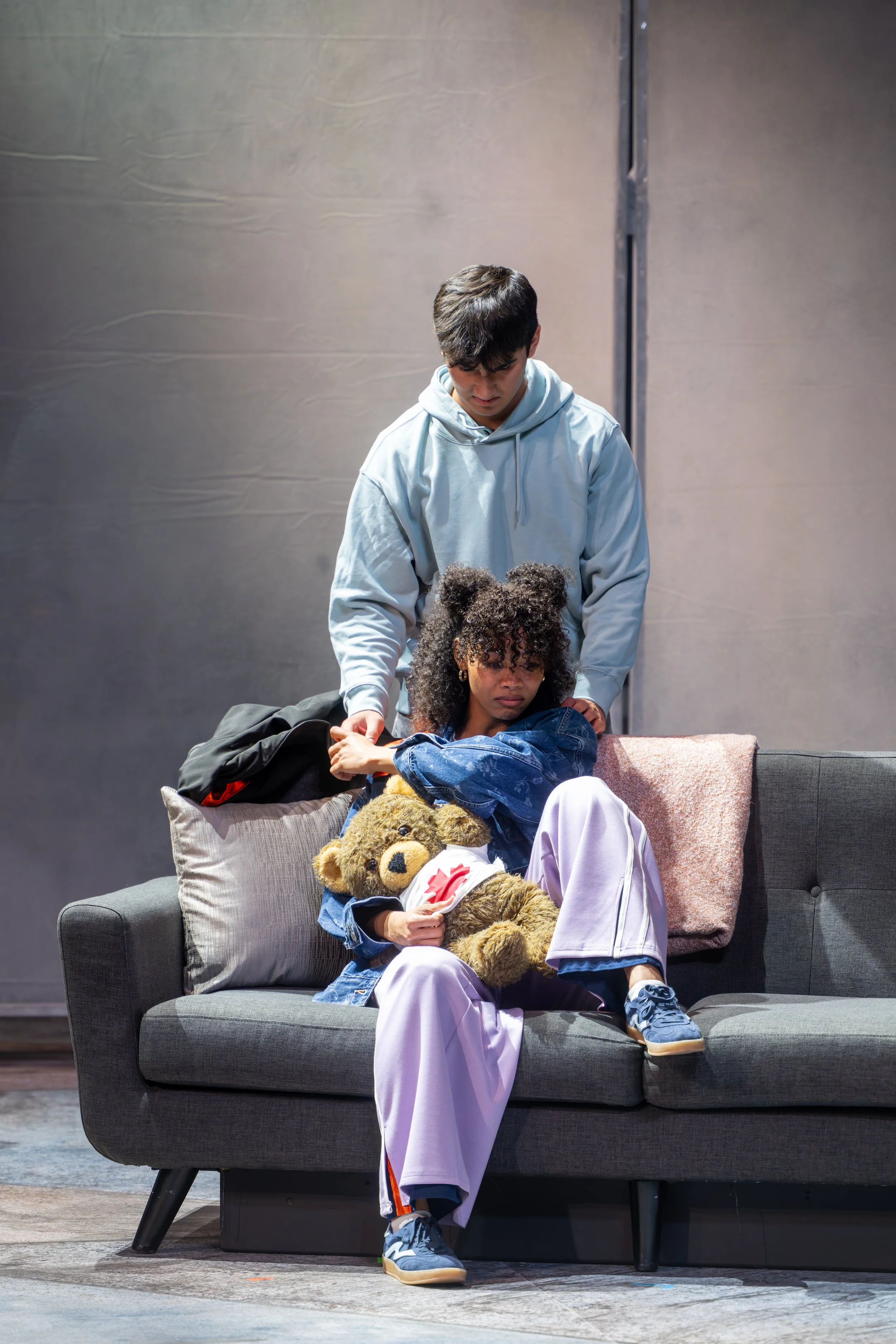
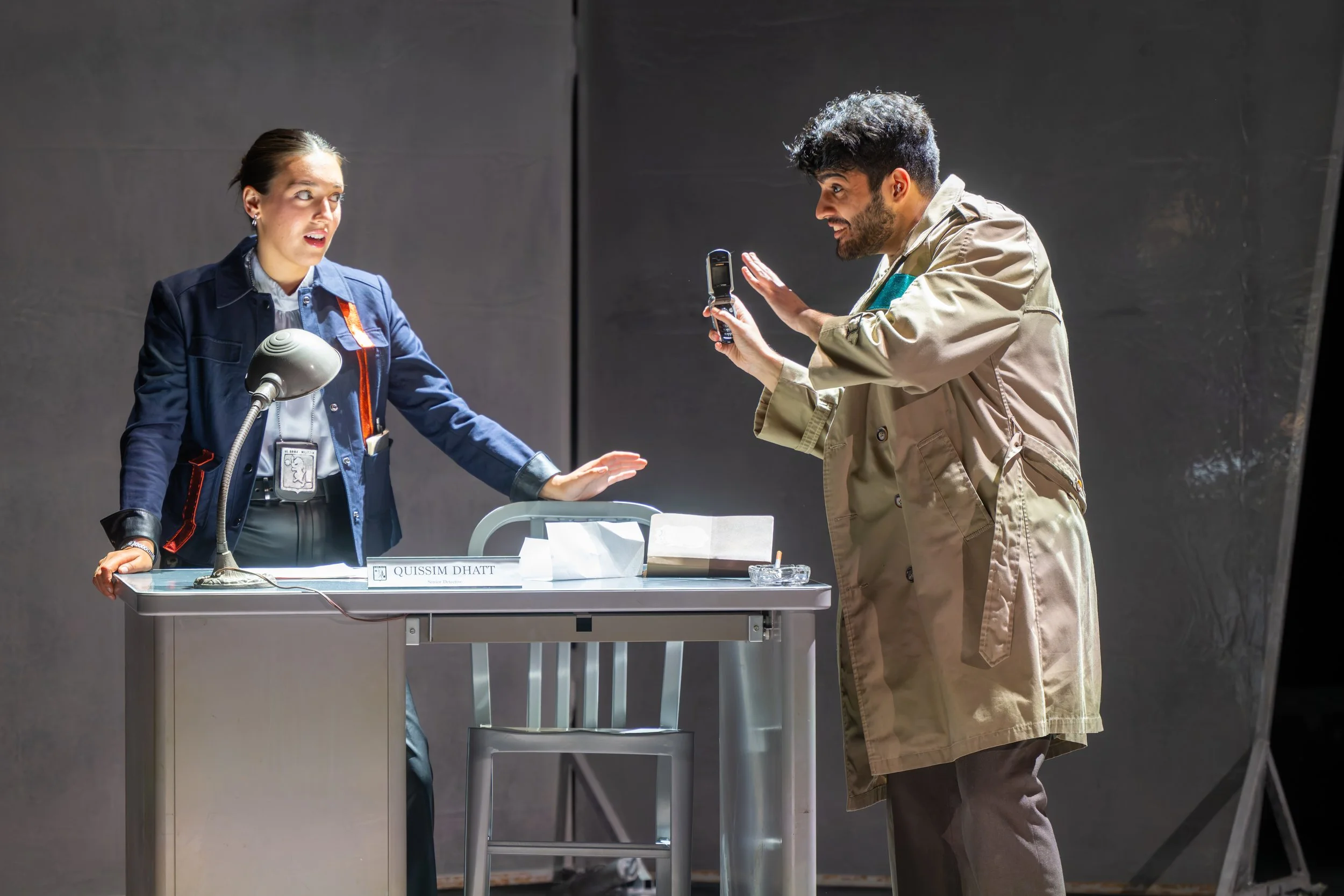
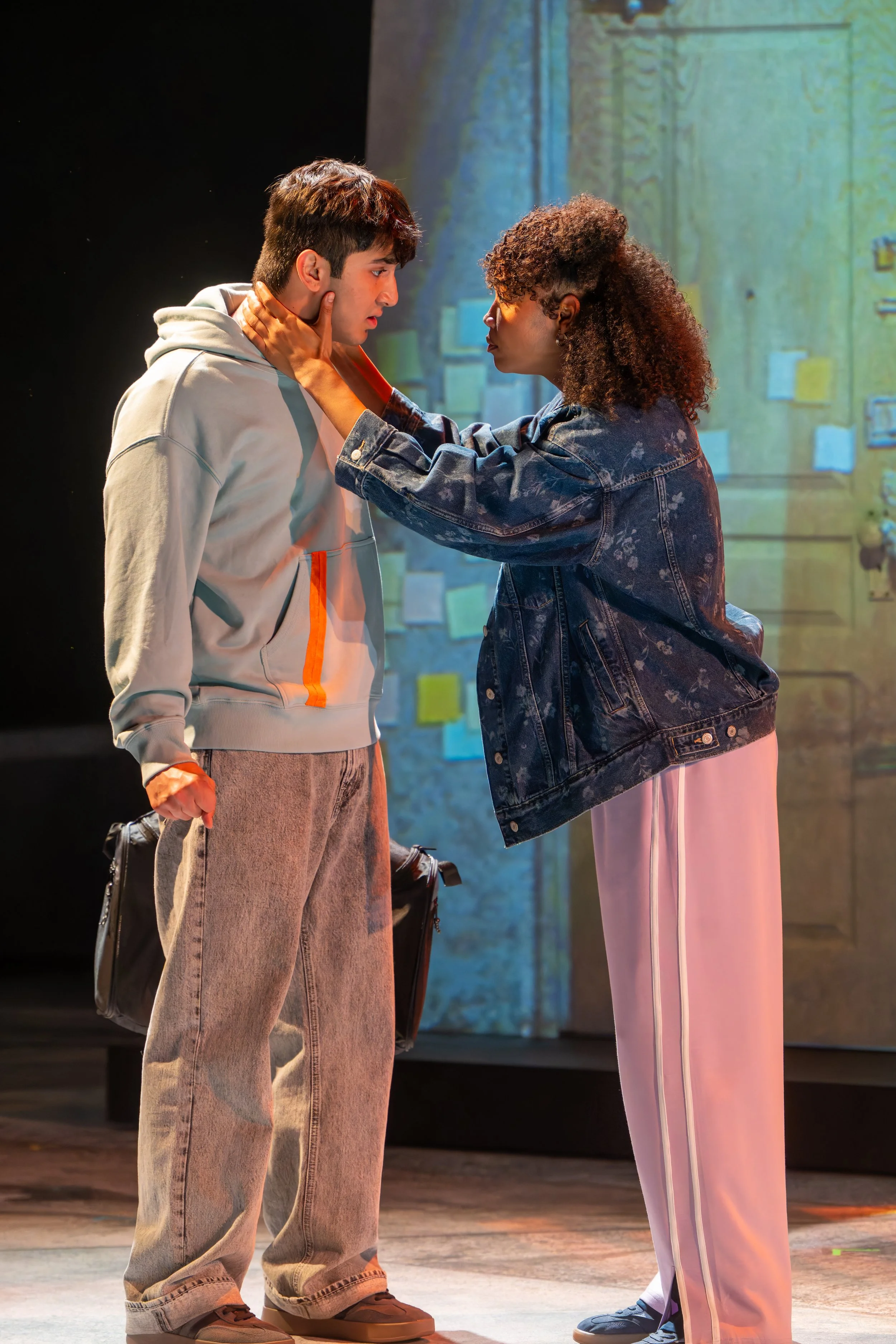
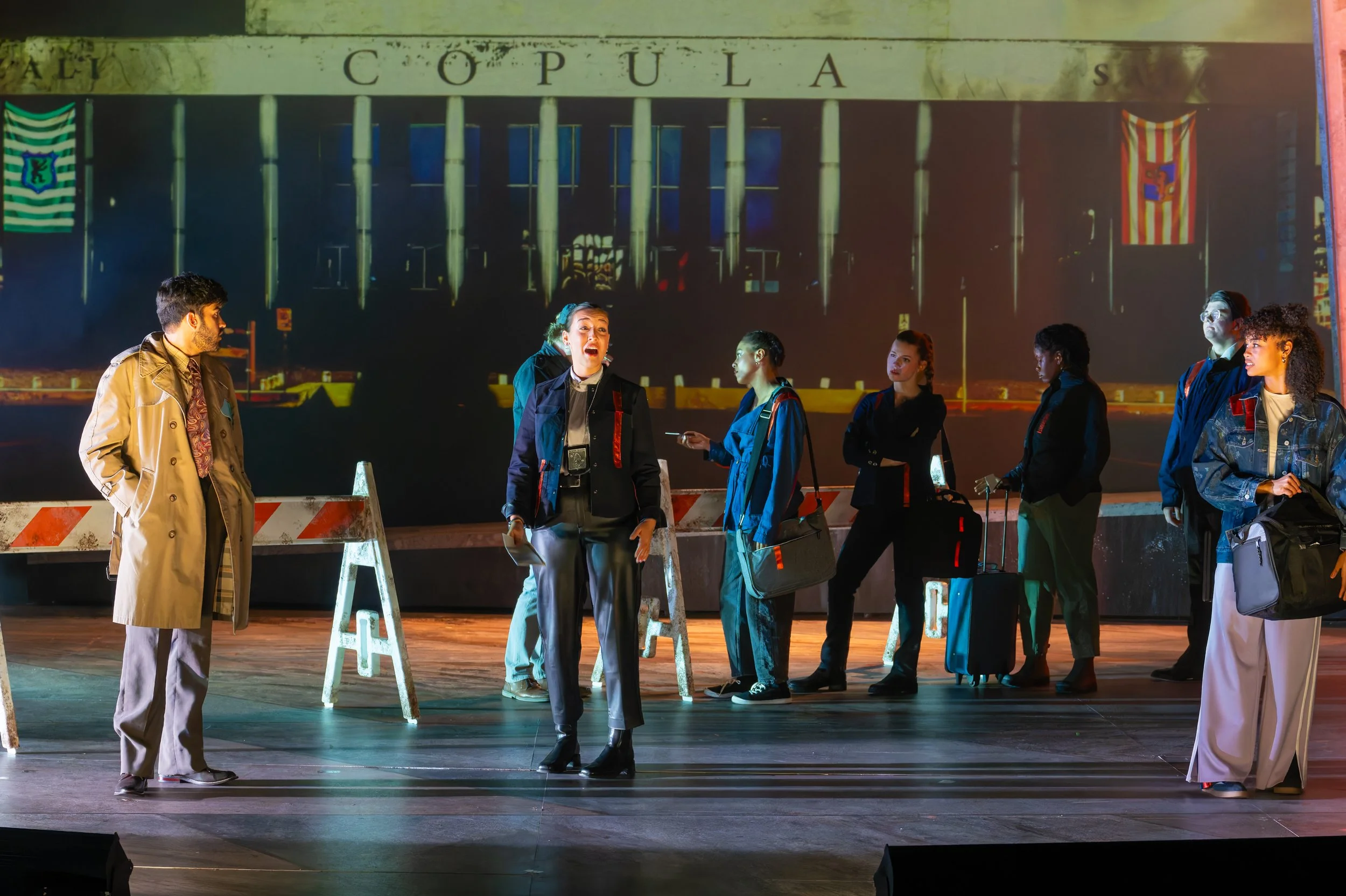
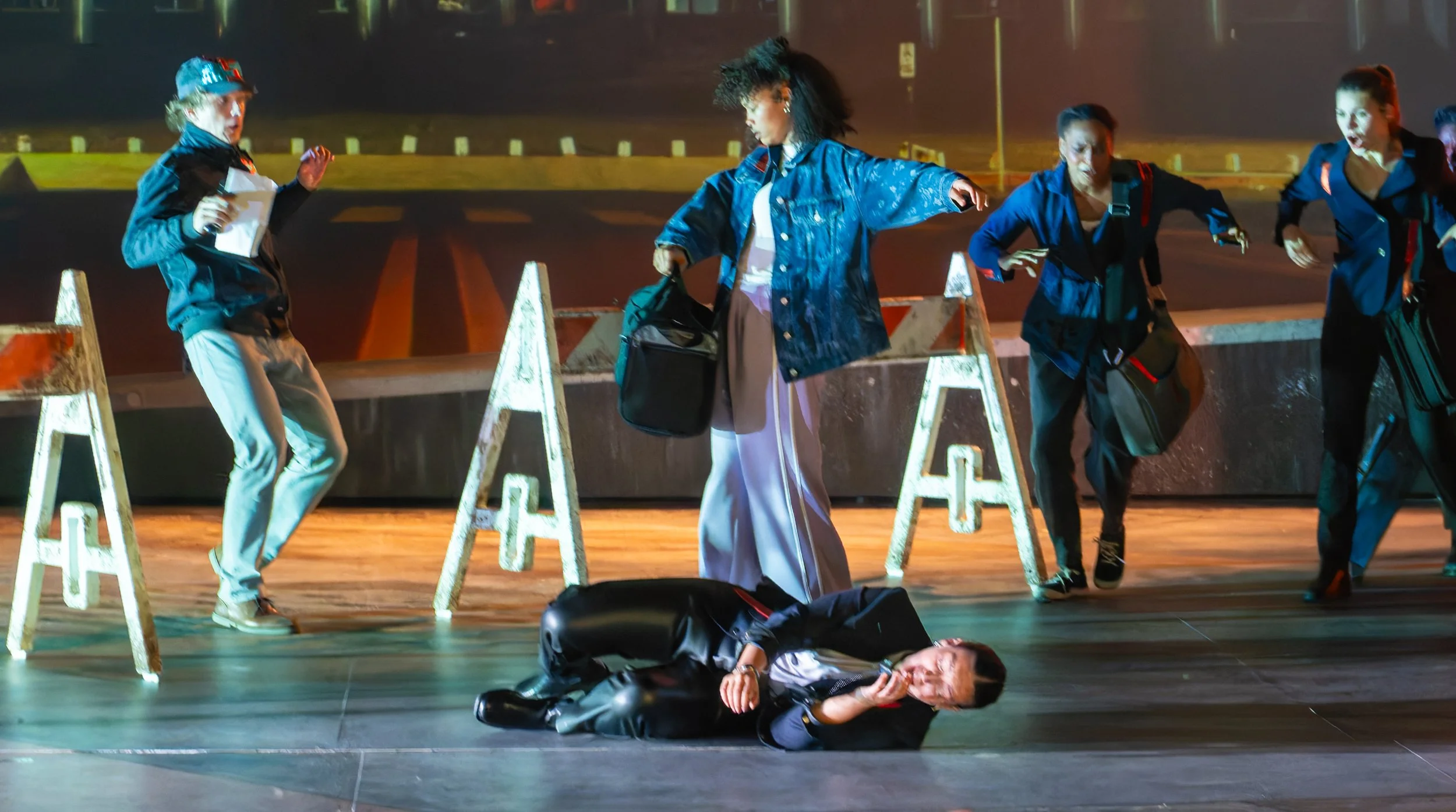
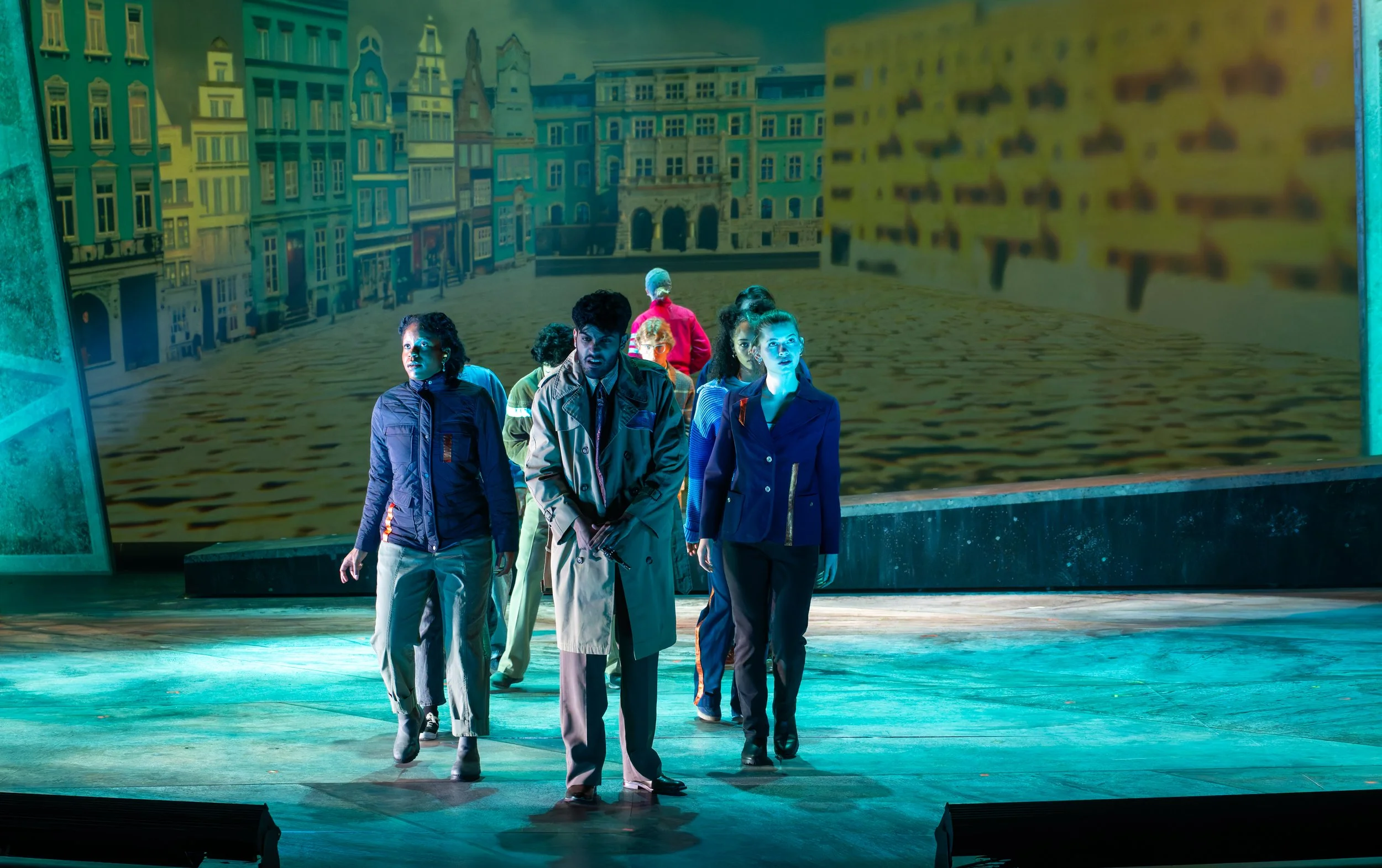
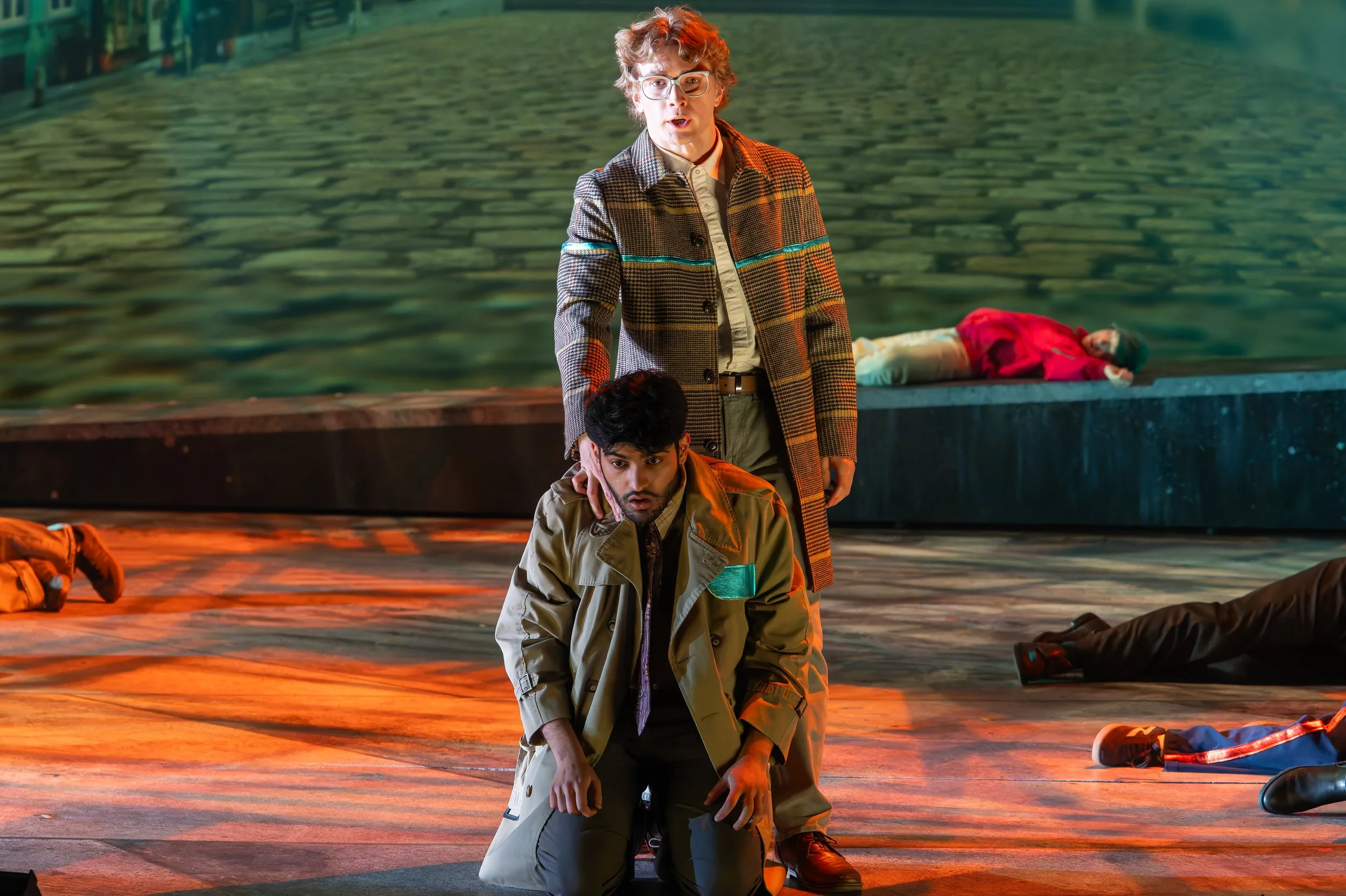
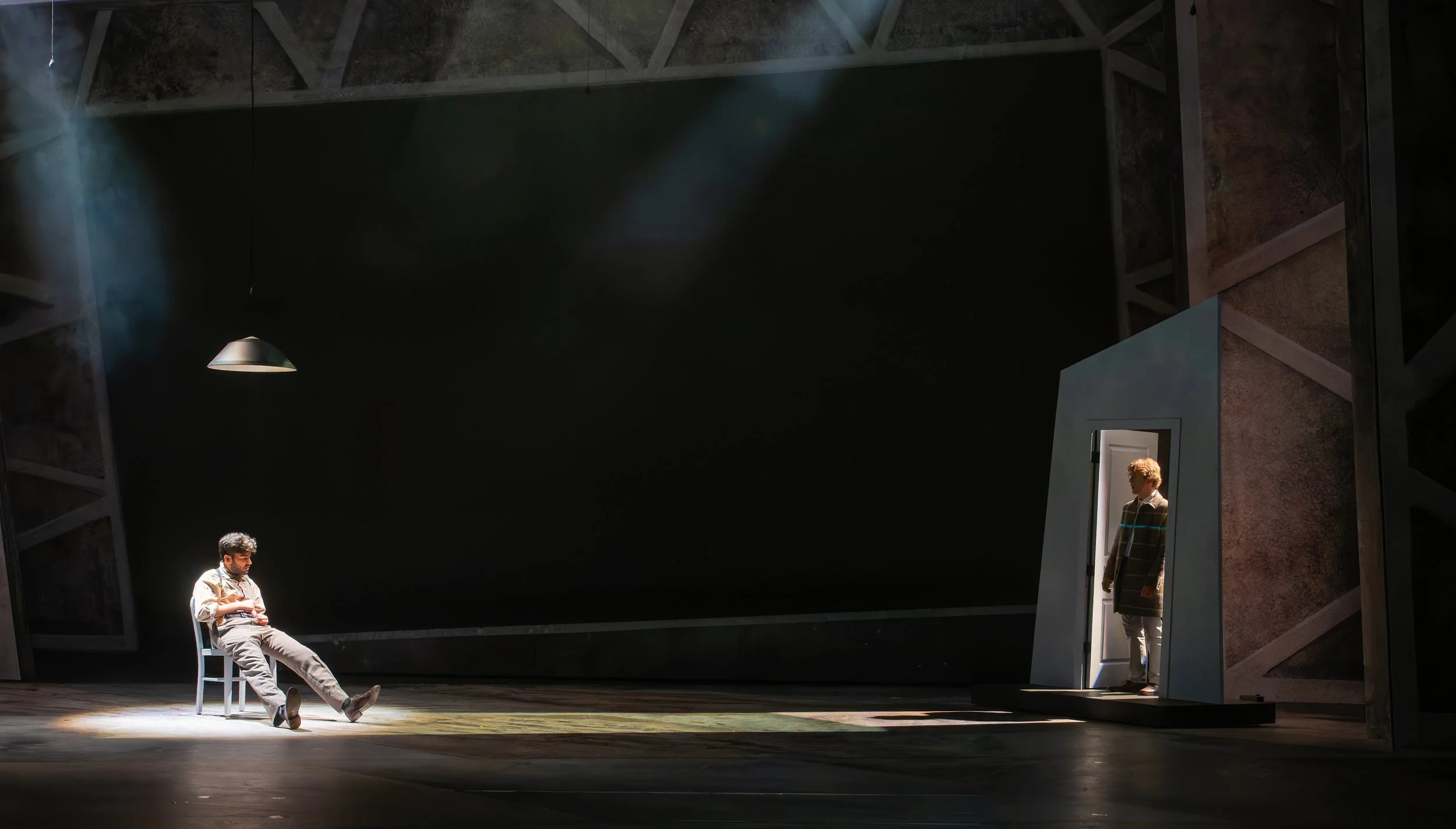
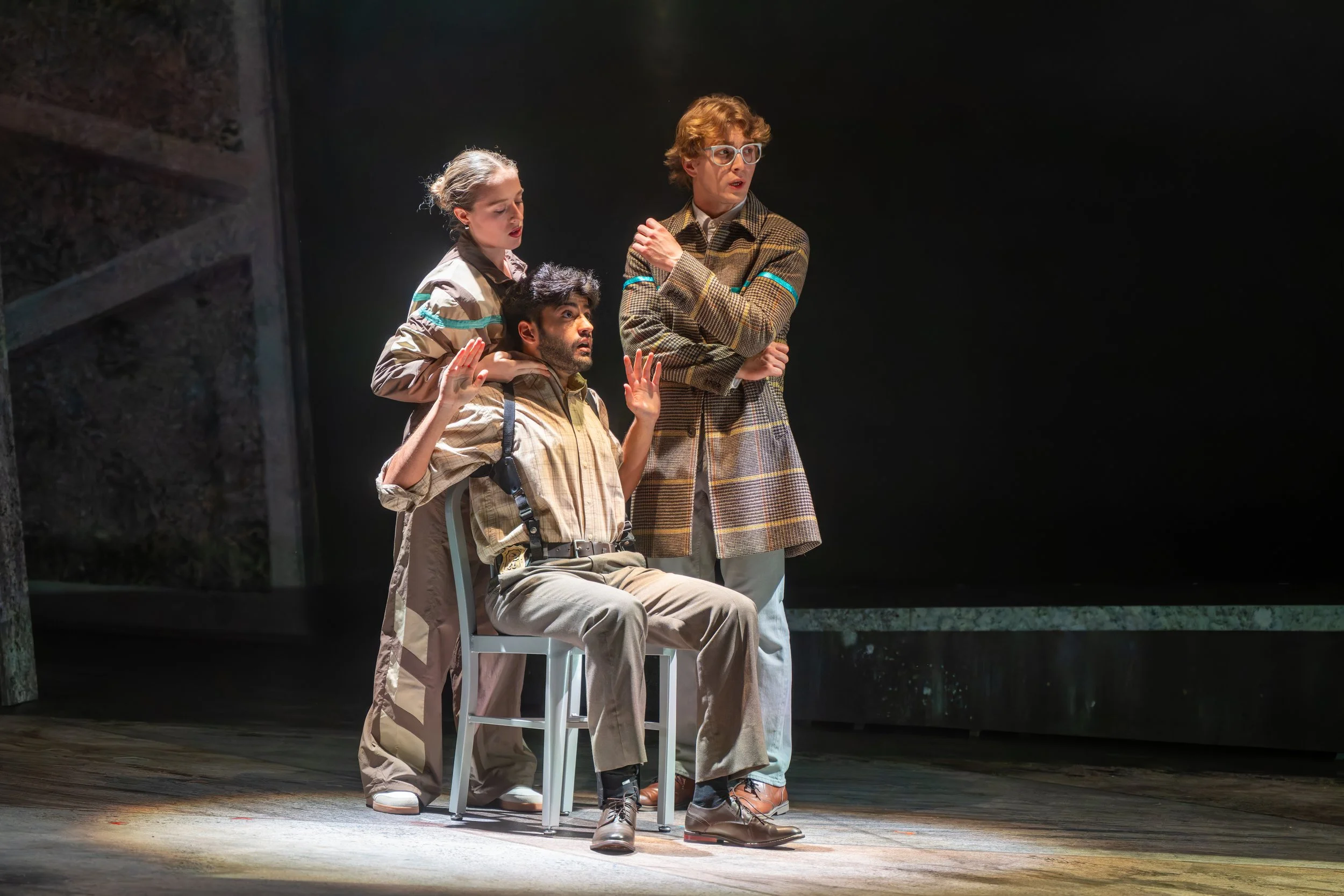
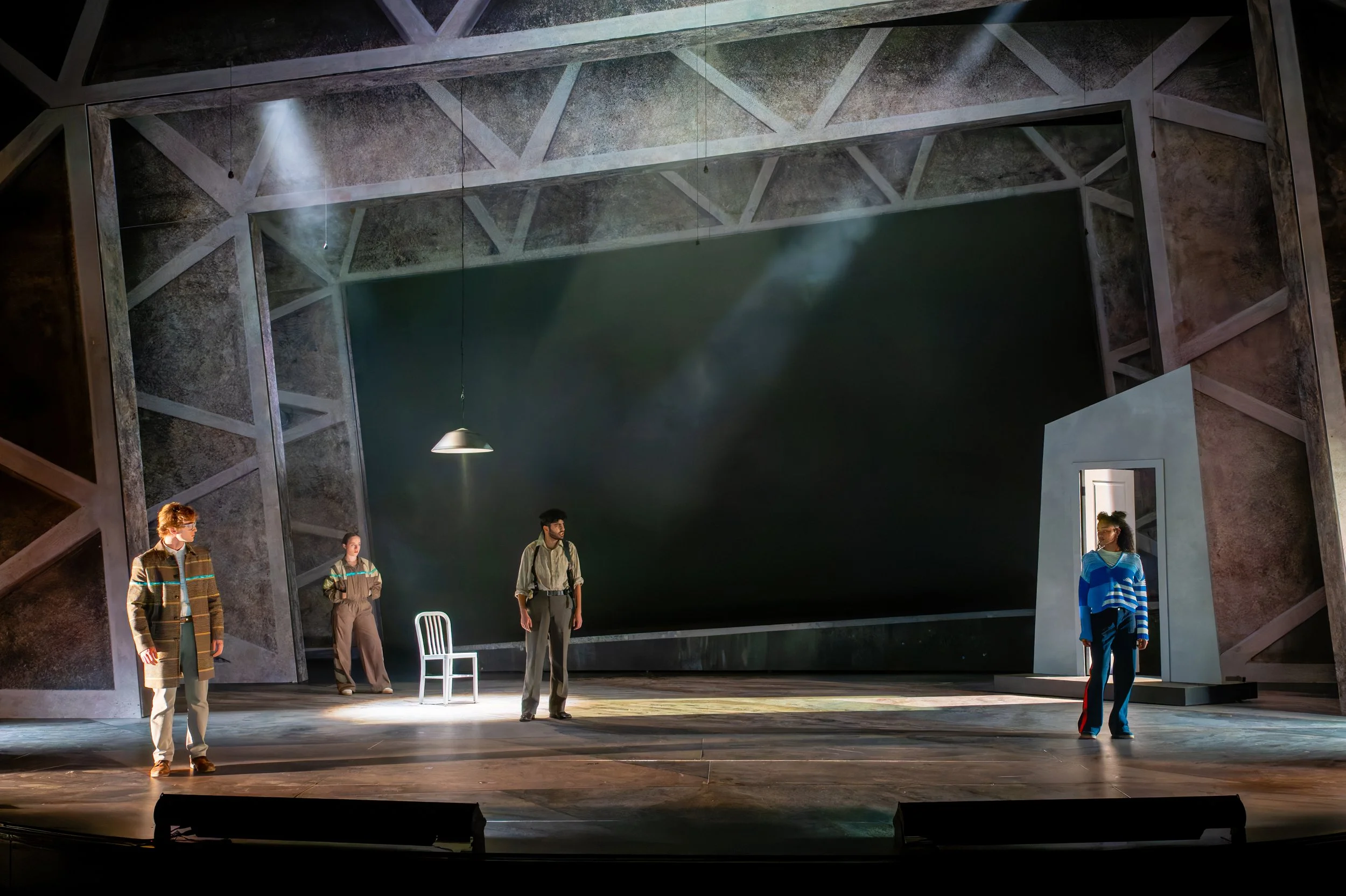
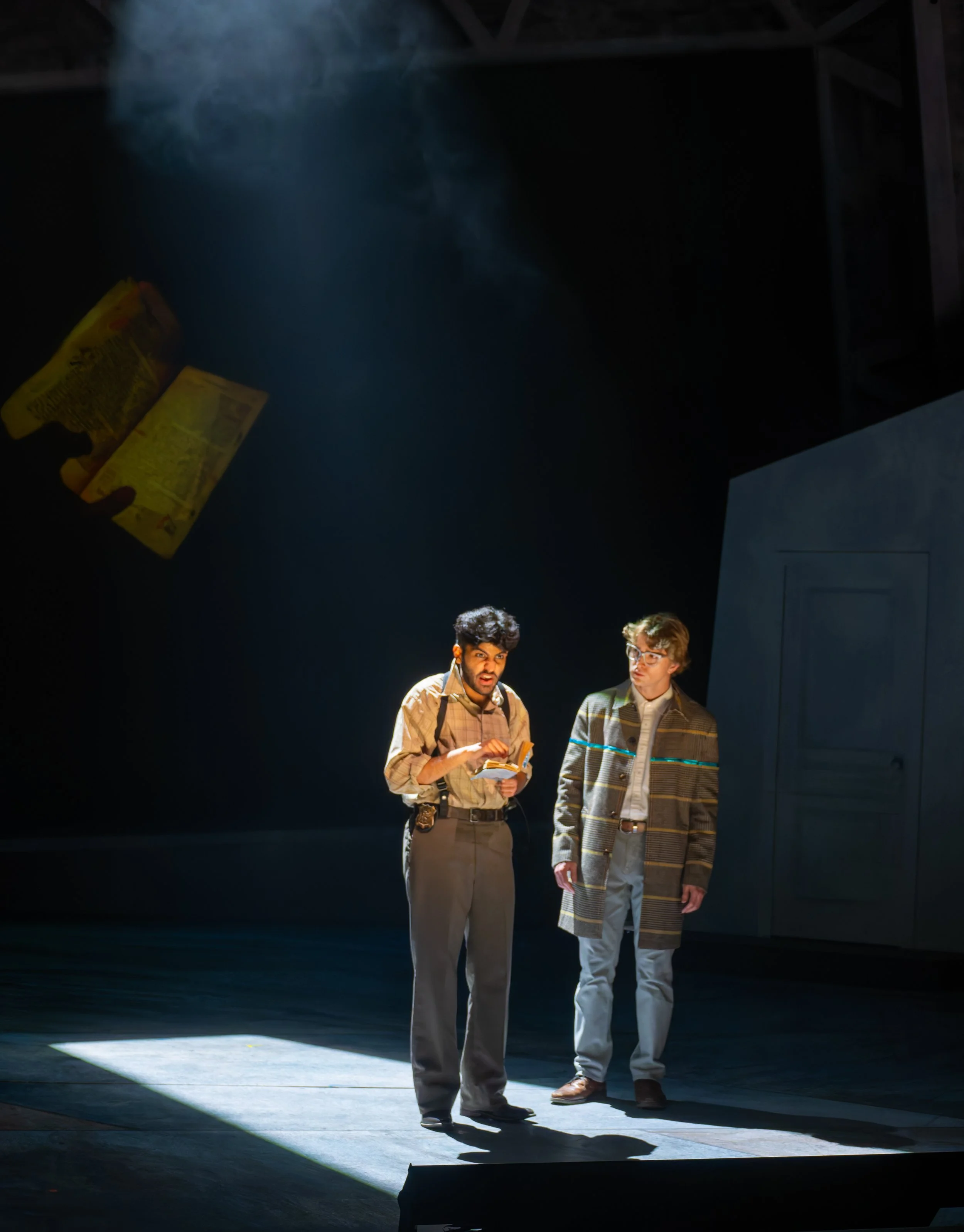
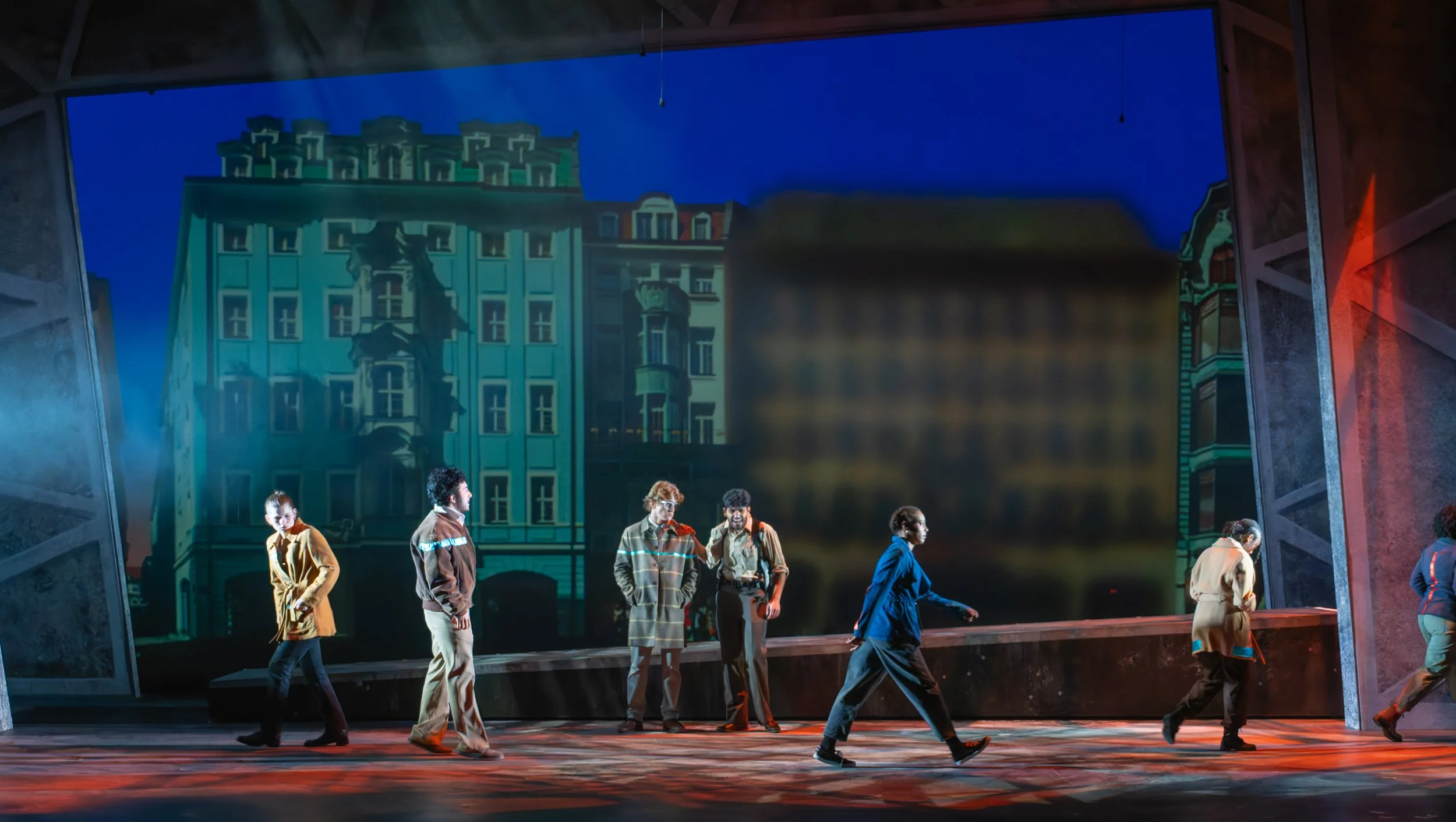
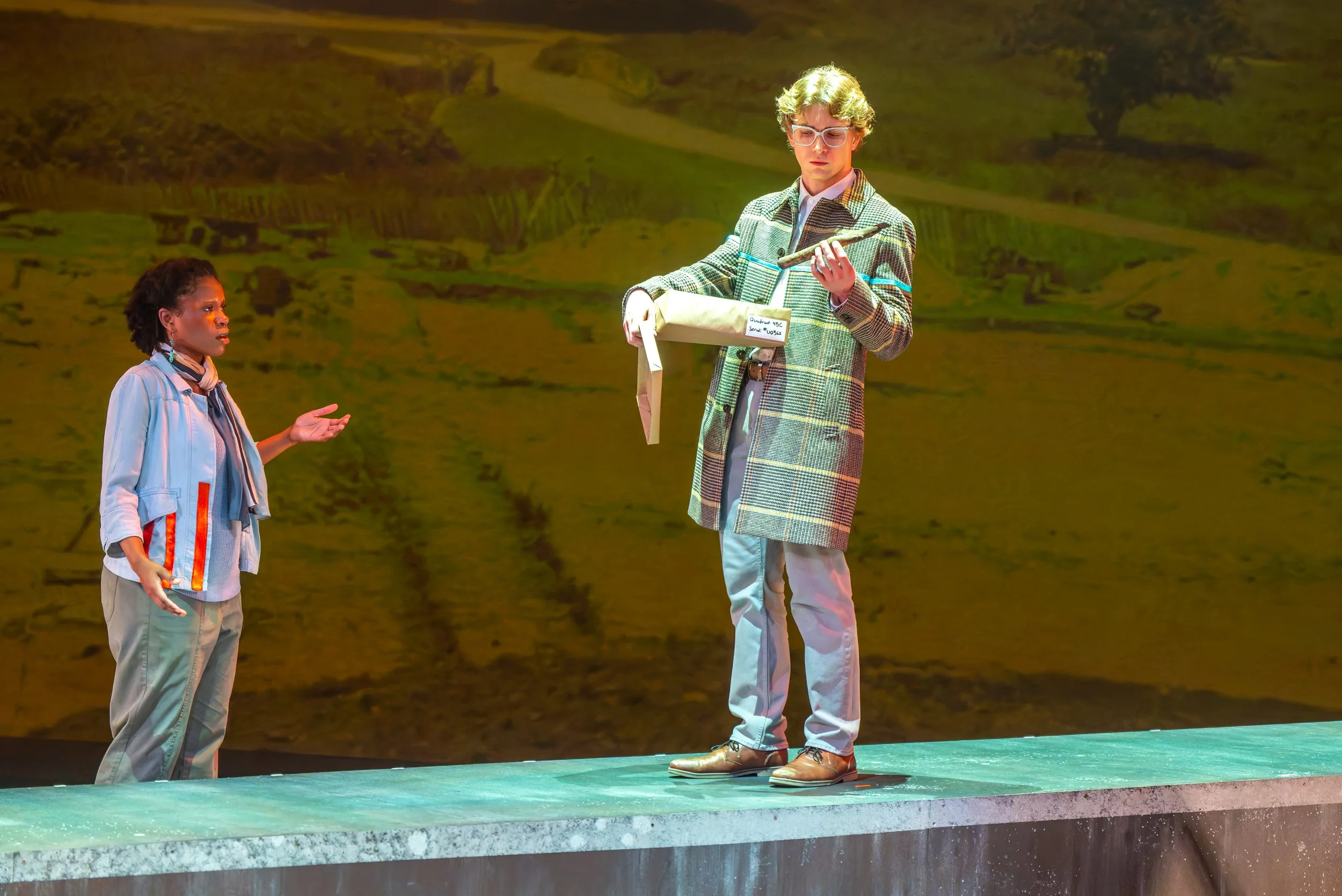
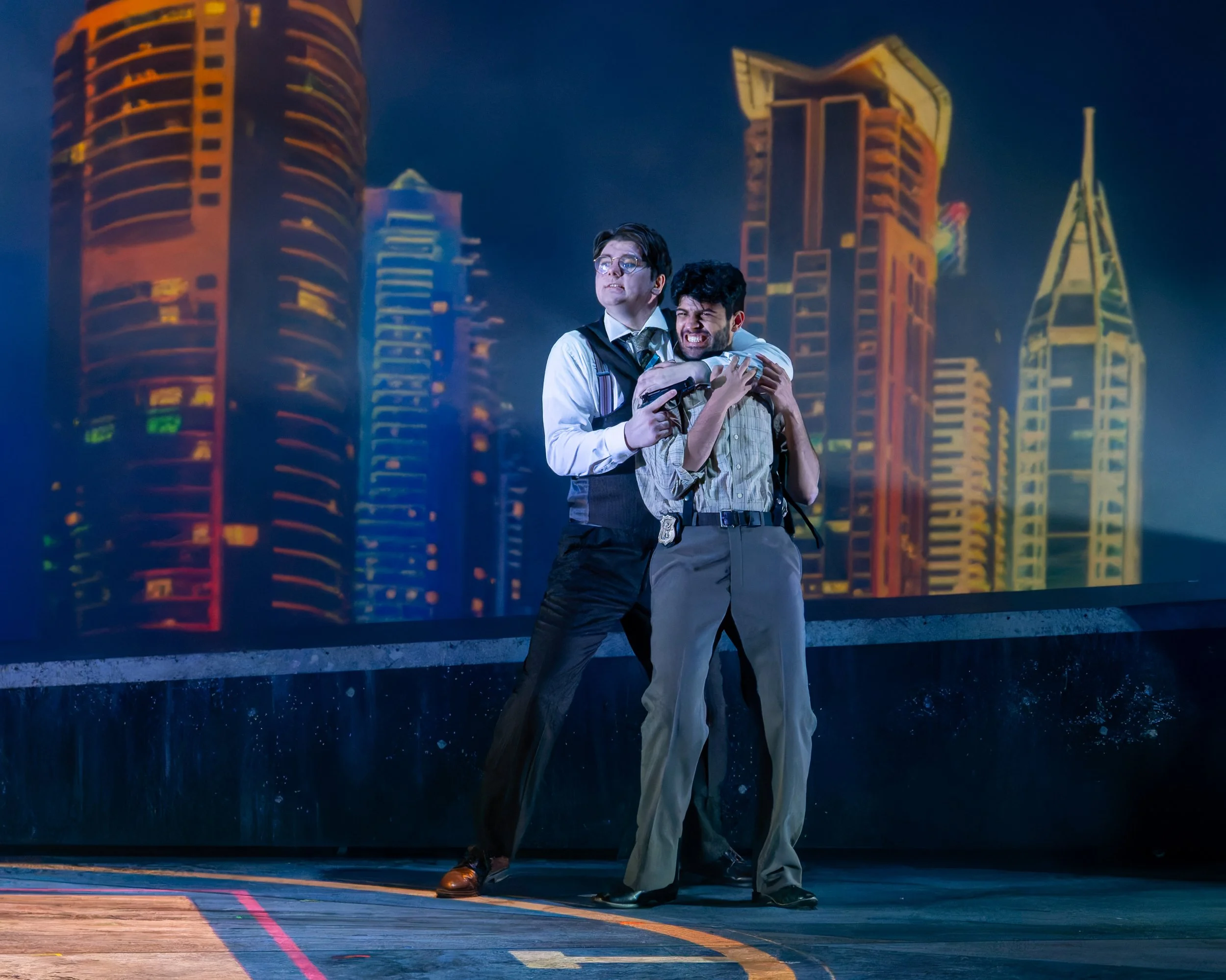
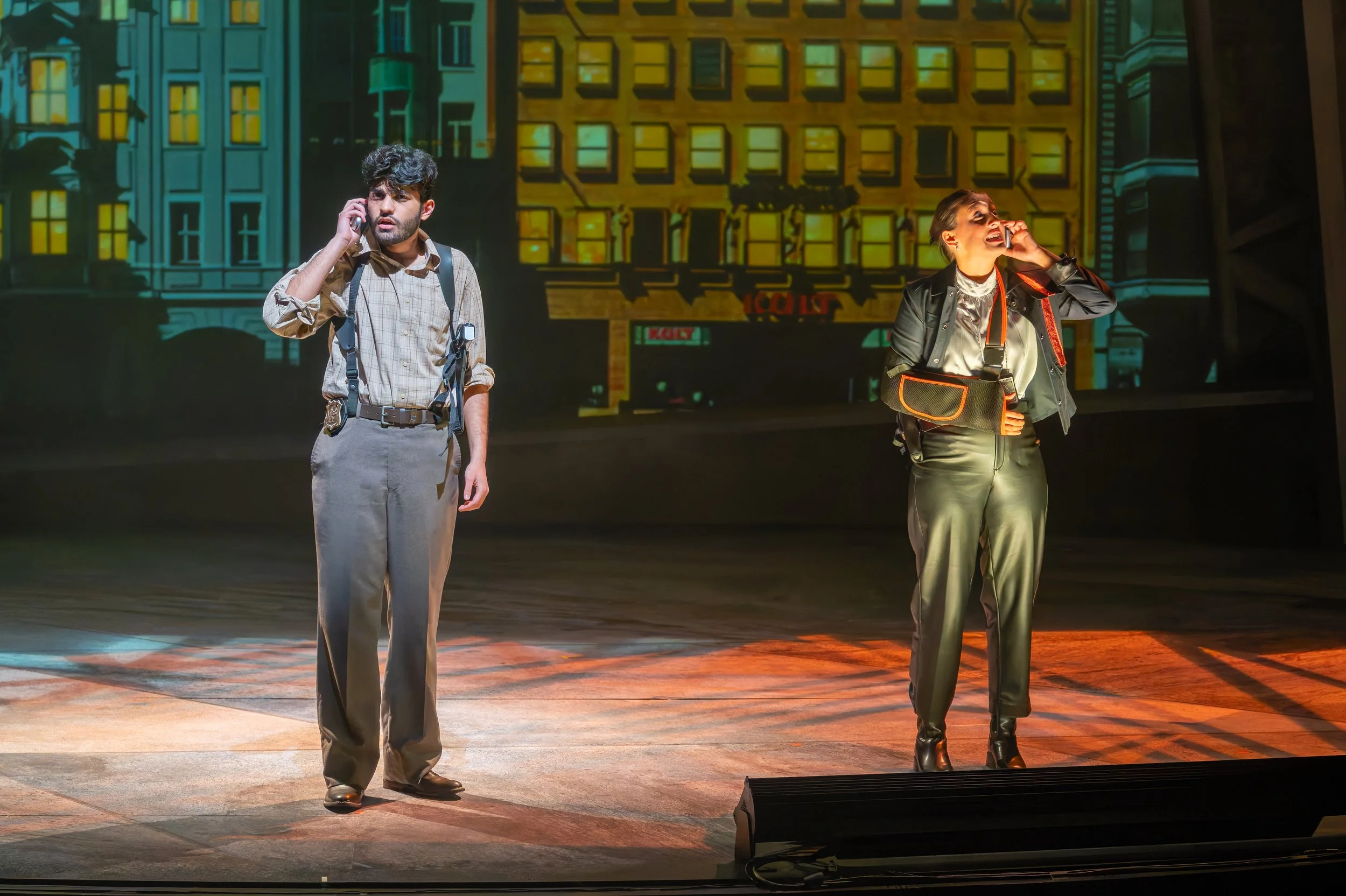
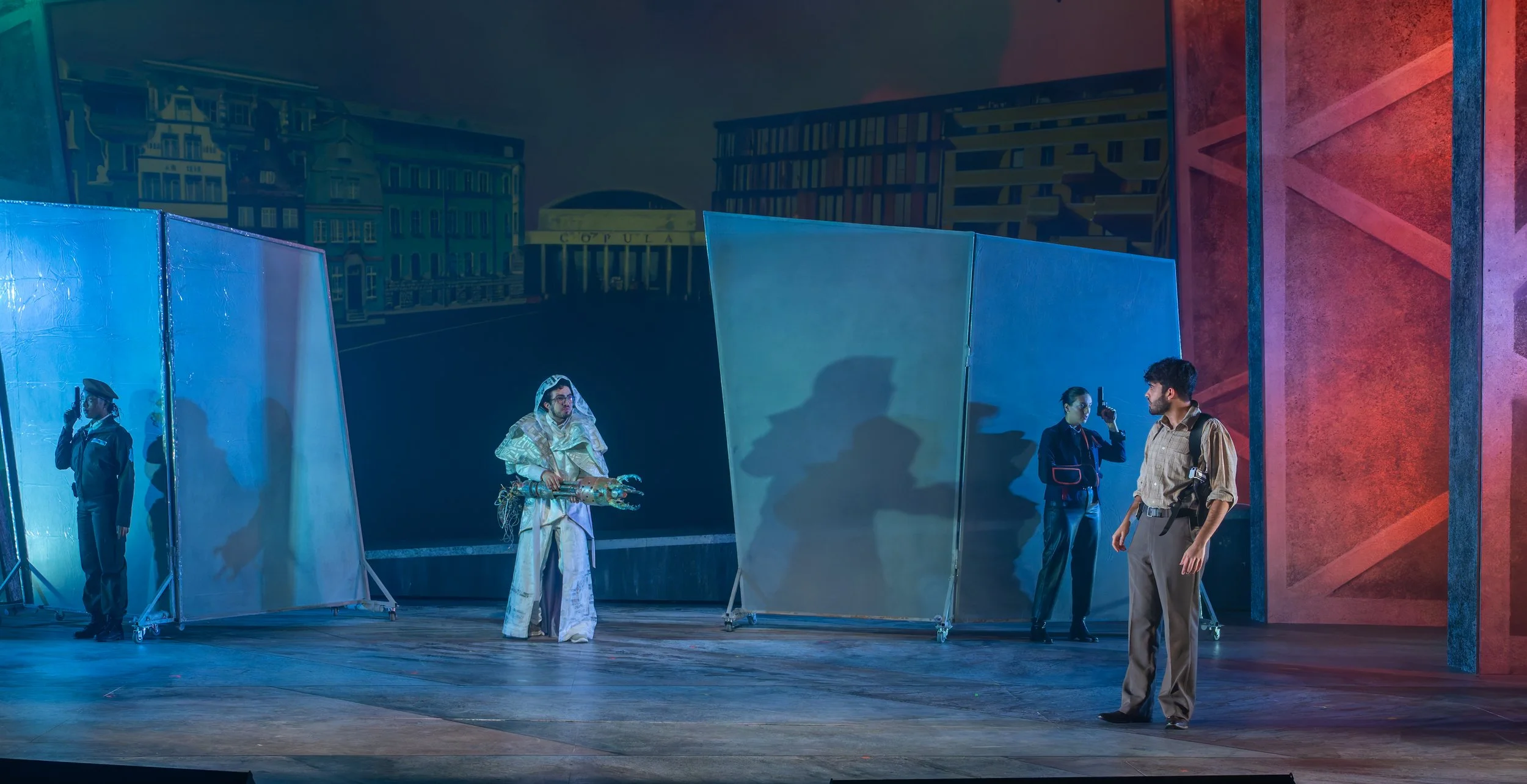
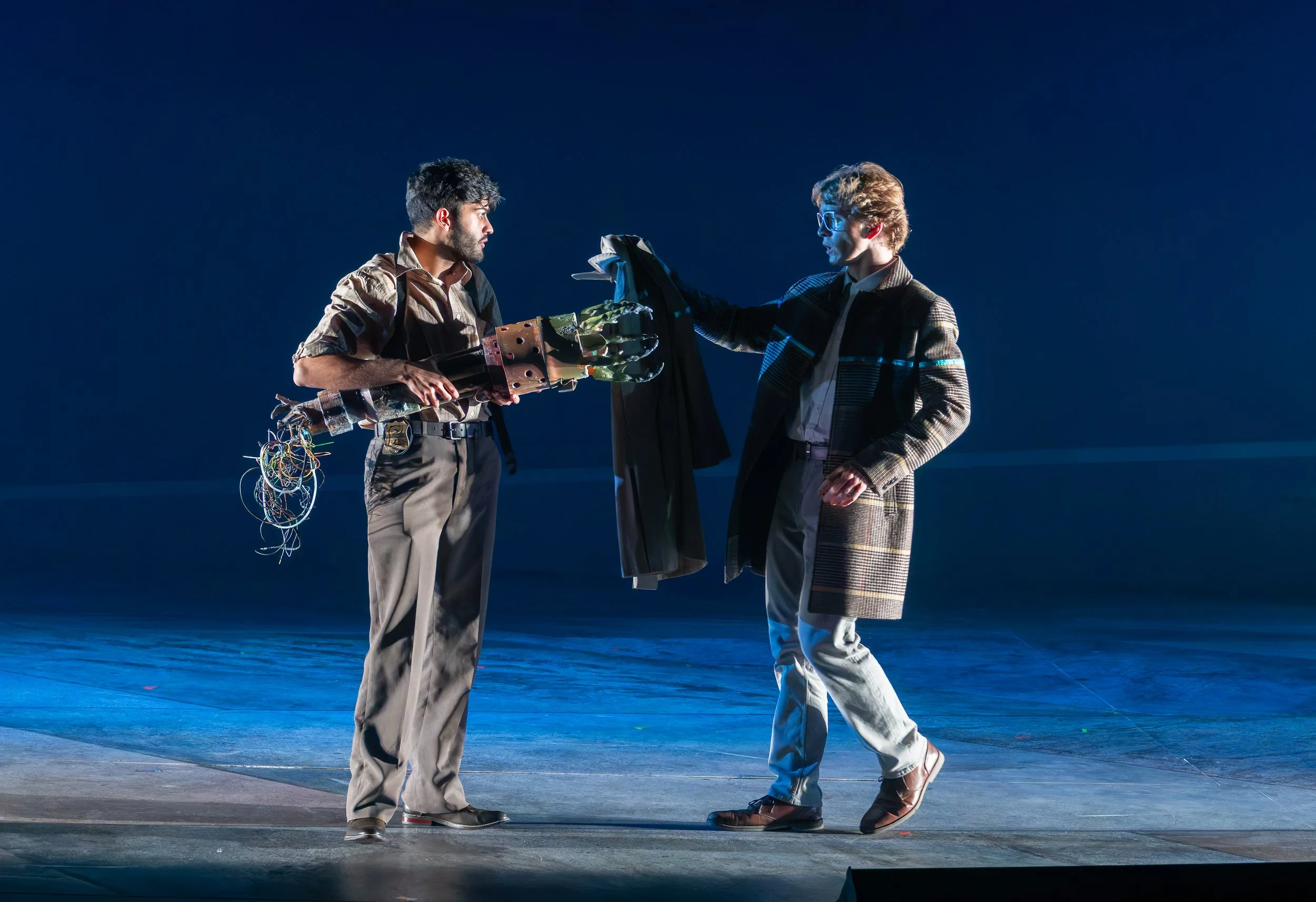
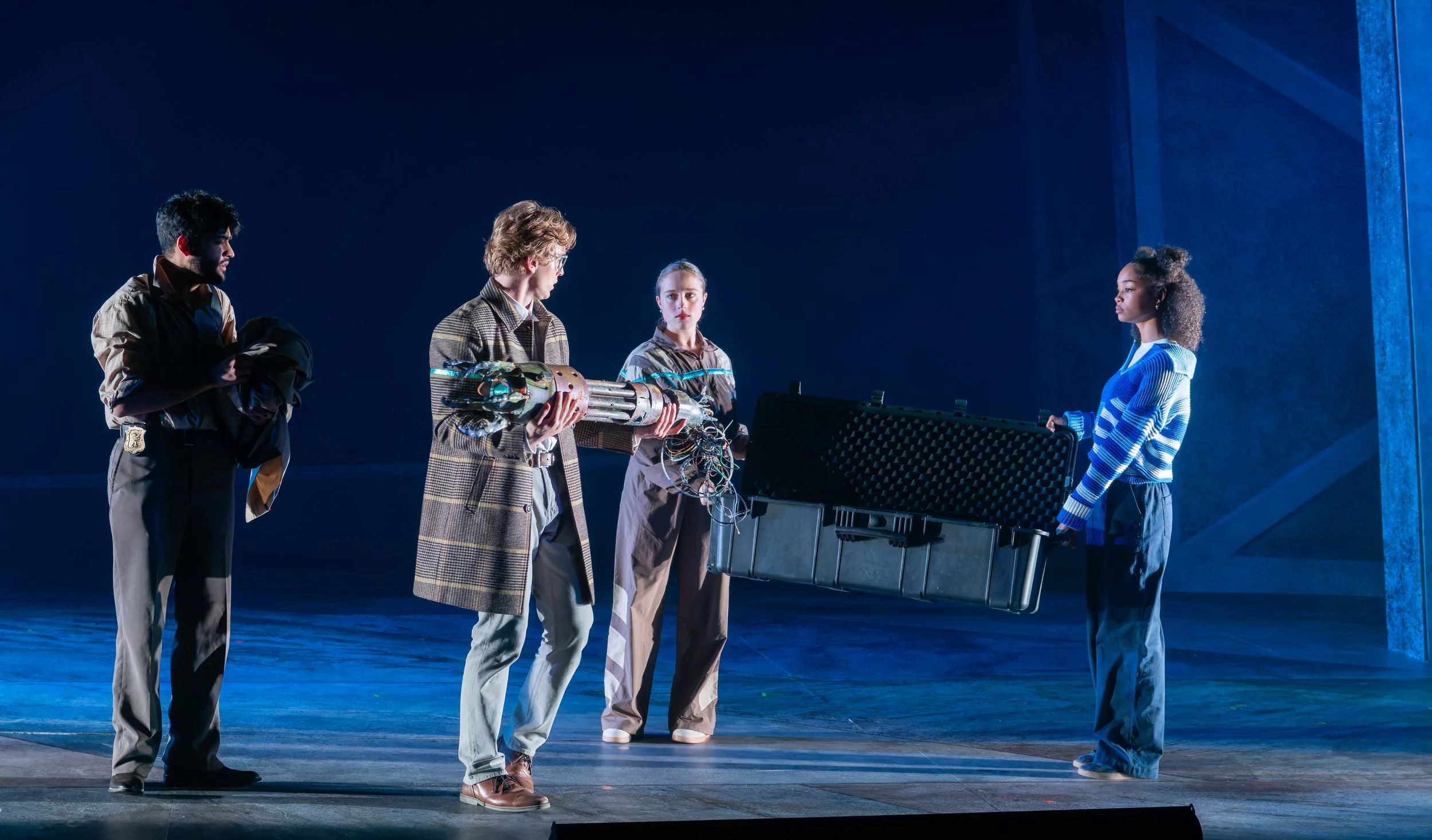
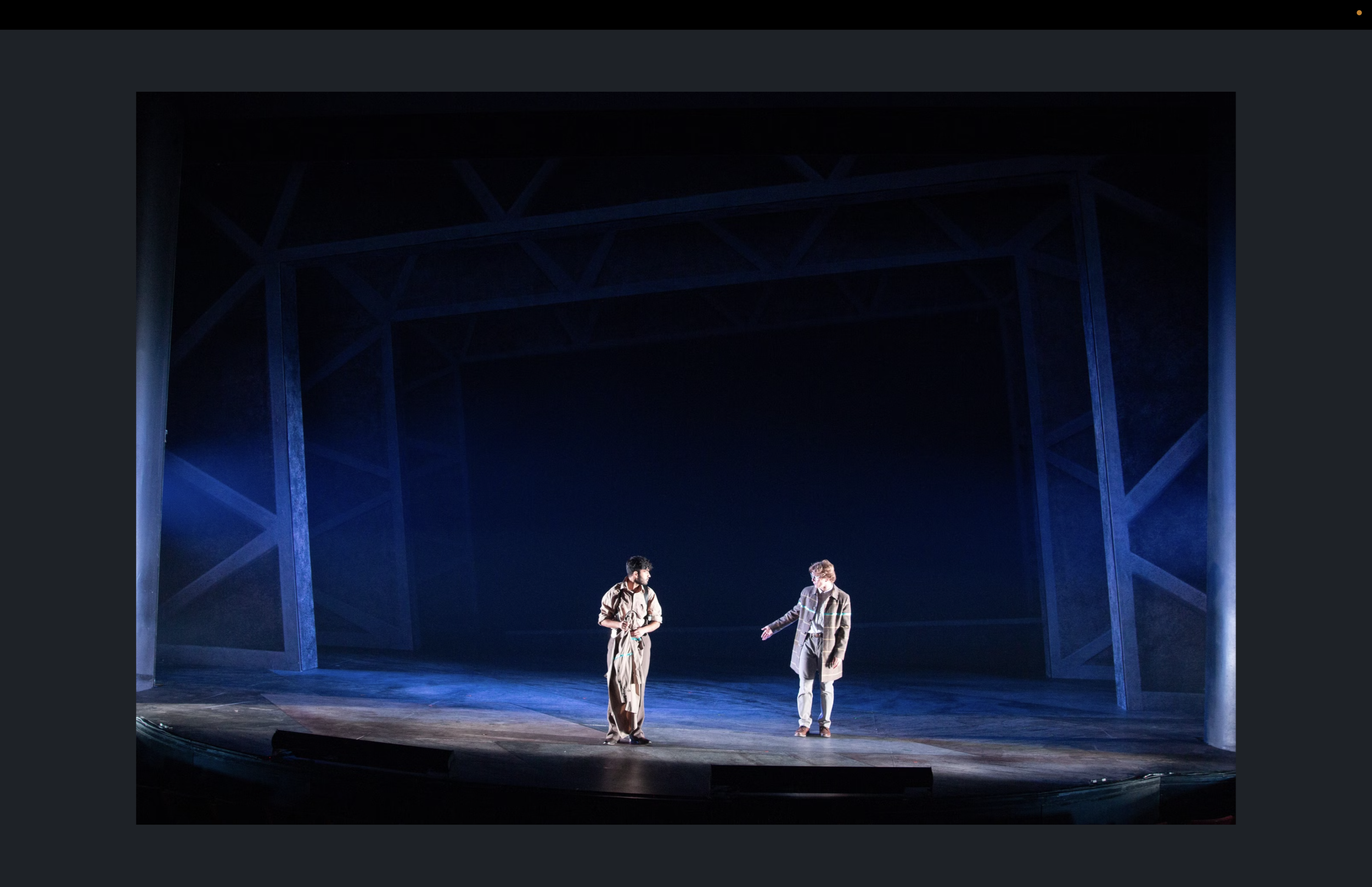
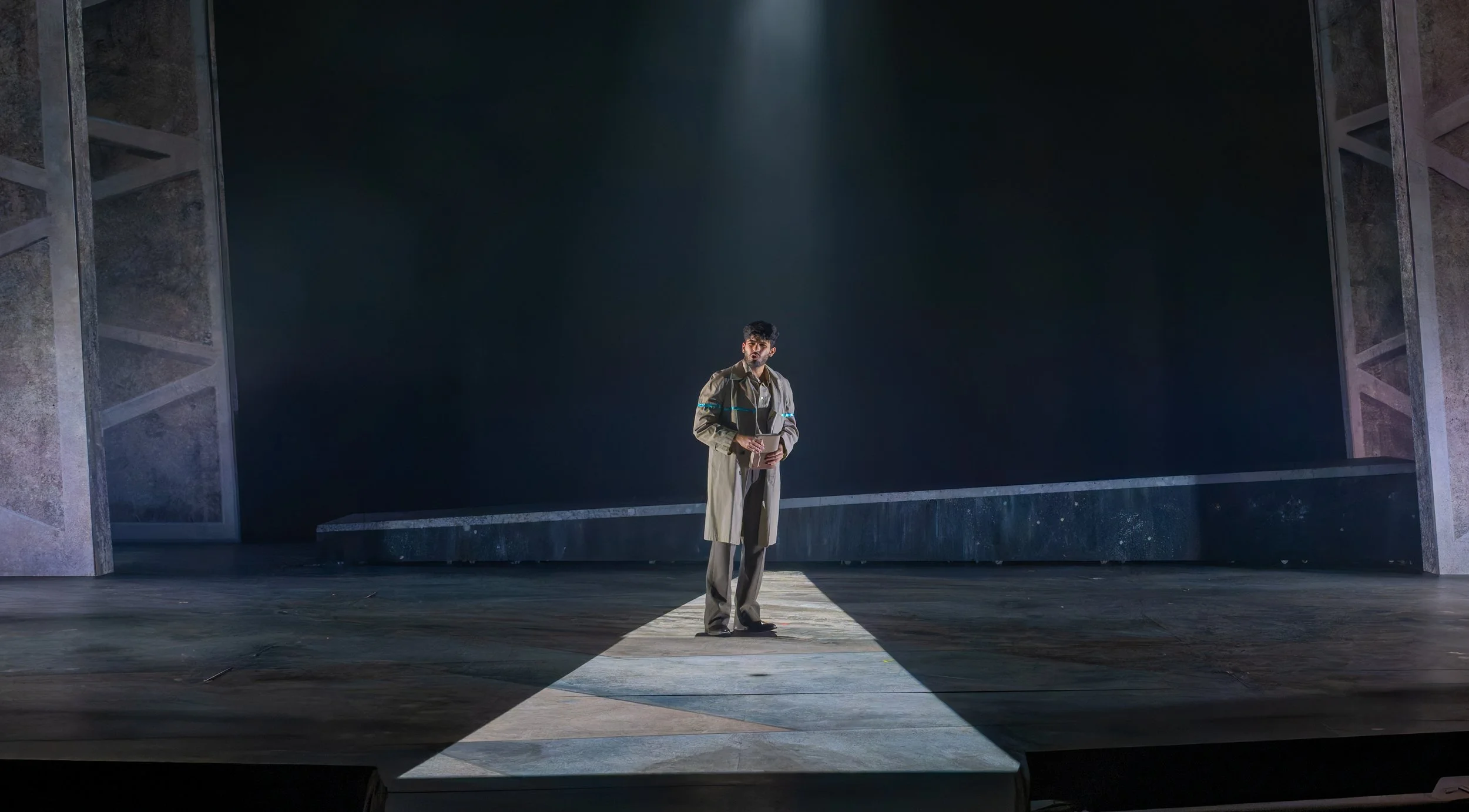
The East European twin city-states of Besźel and Ul Qoma occupy much of the same geographical space, but are perceived as two different places. They each have their own languages and cultures, and their citizens must “unsee” - consciously erase from their mind - the people, buildings, sounds of the other city, even if they are right next to them. Breaking this rule - “breaching” - is a crime worse than murder, enforced by an unseeable secret power known as Breach.
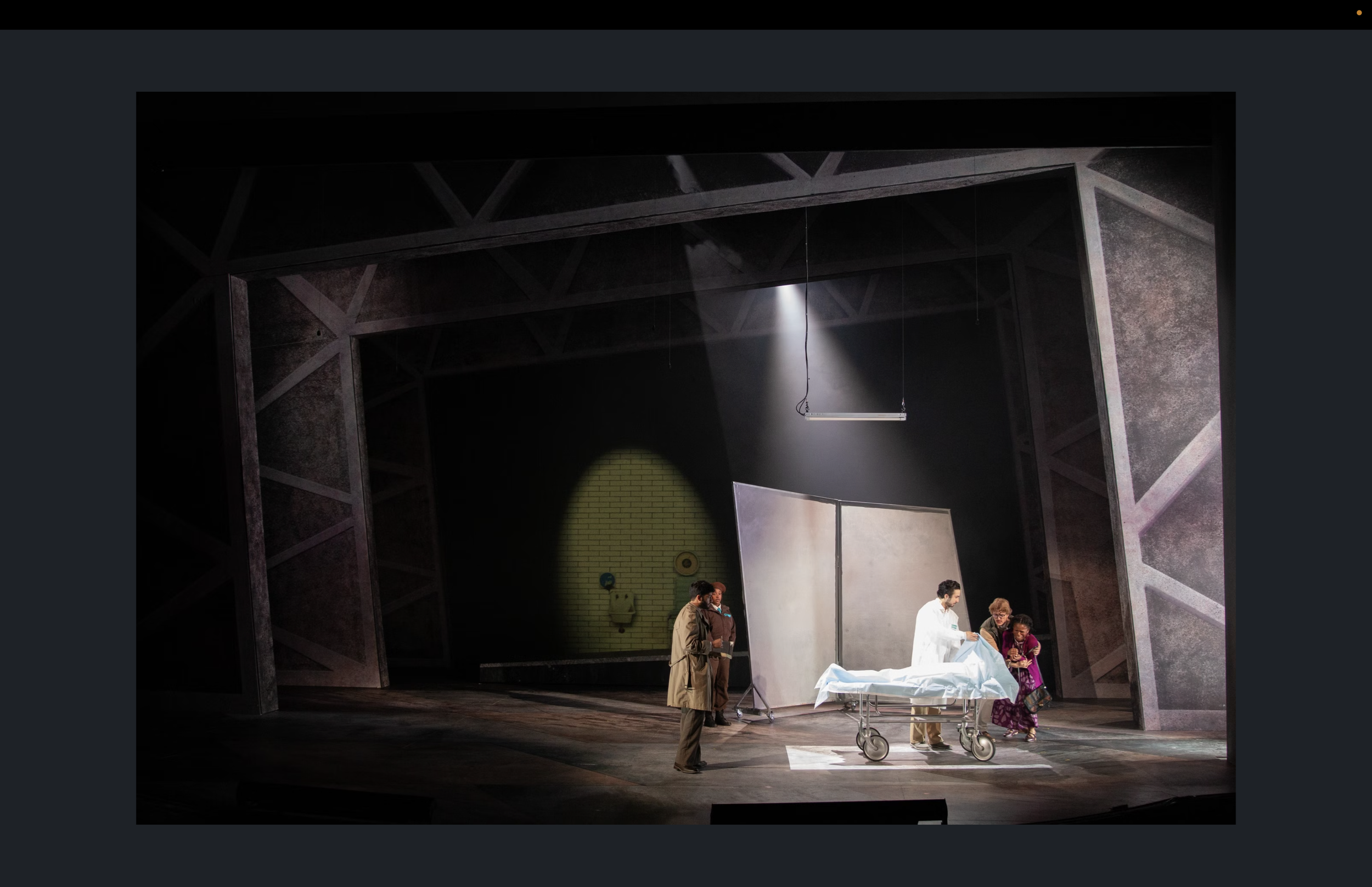
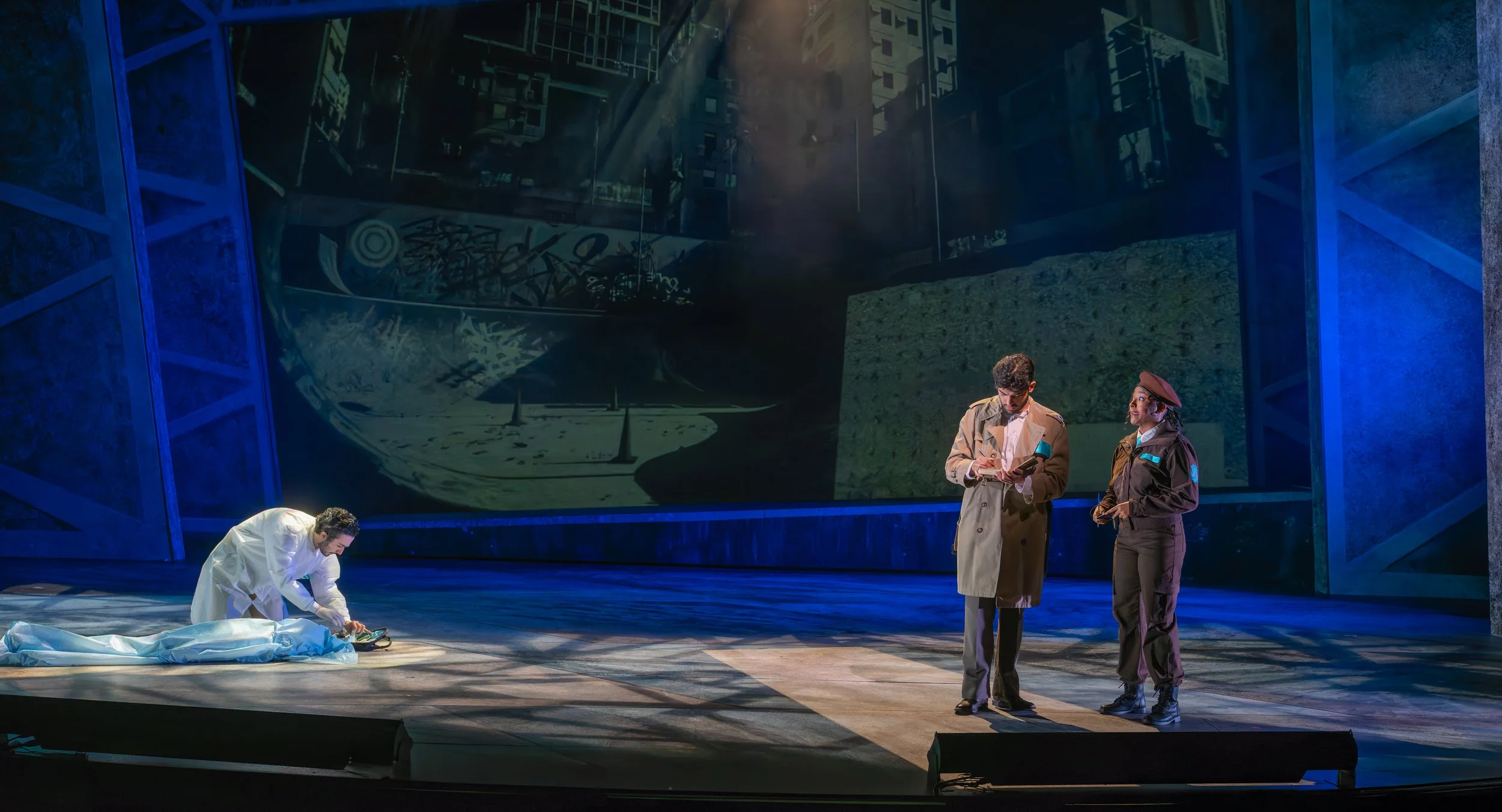
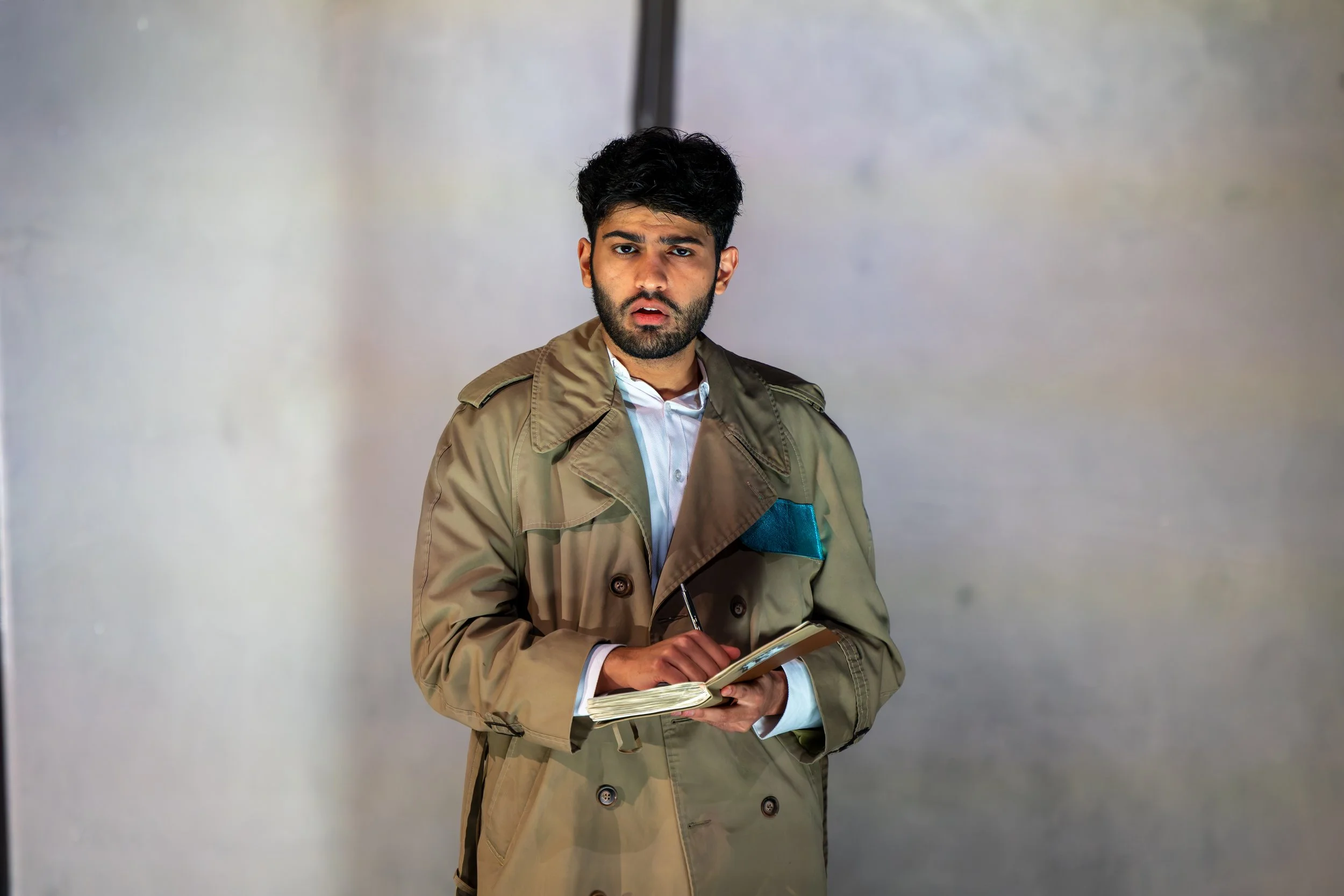
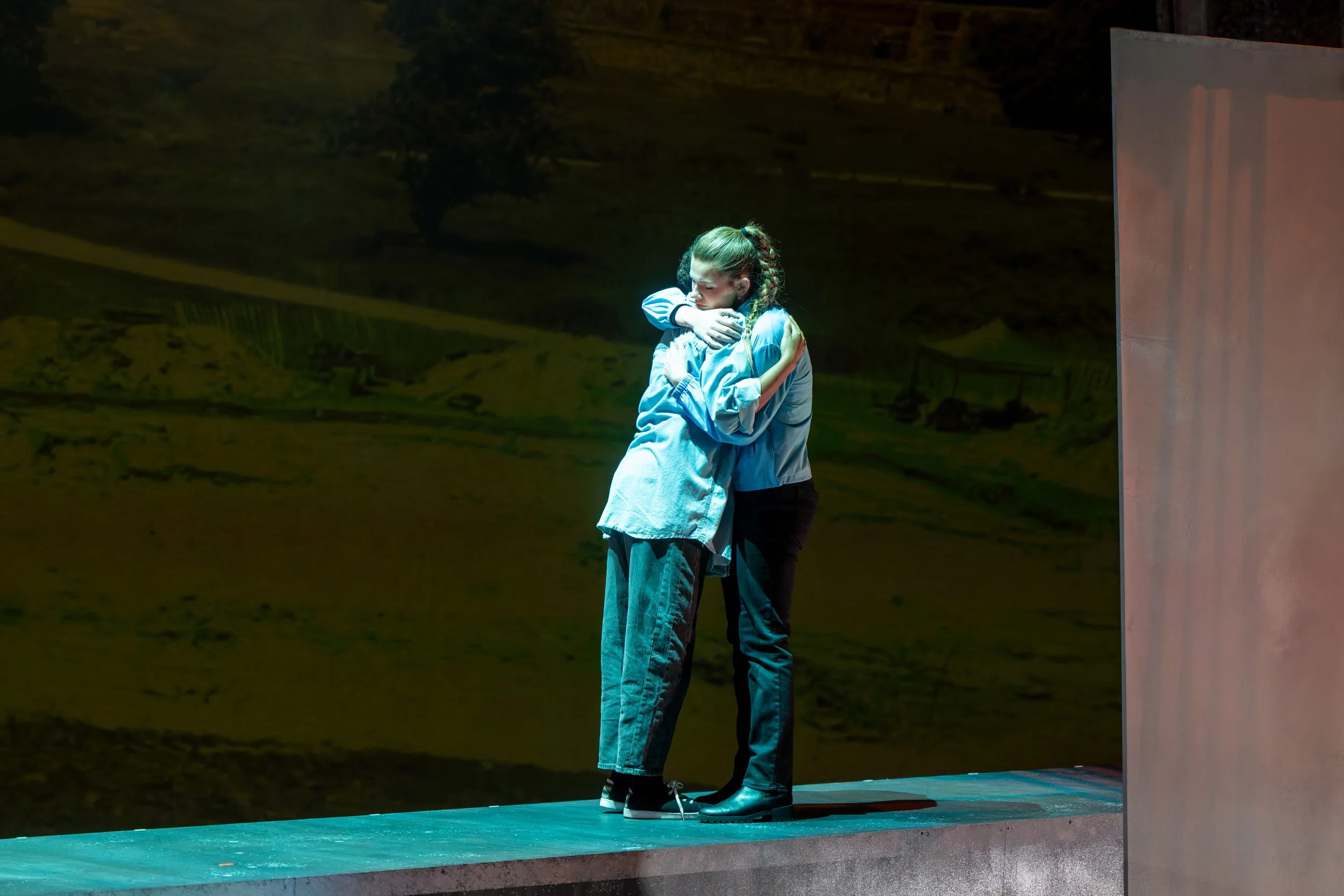
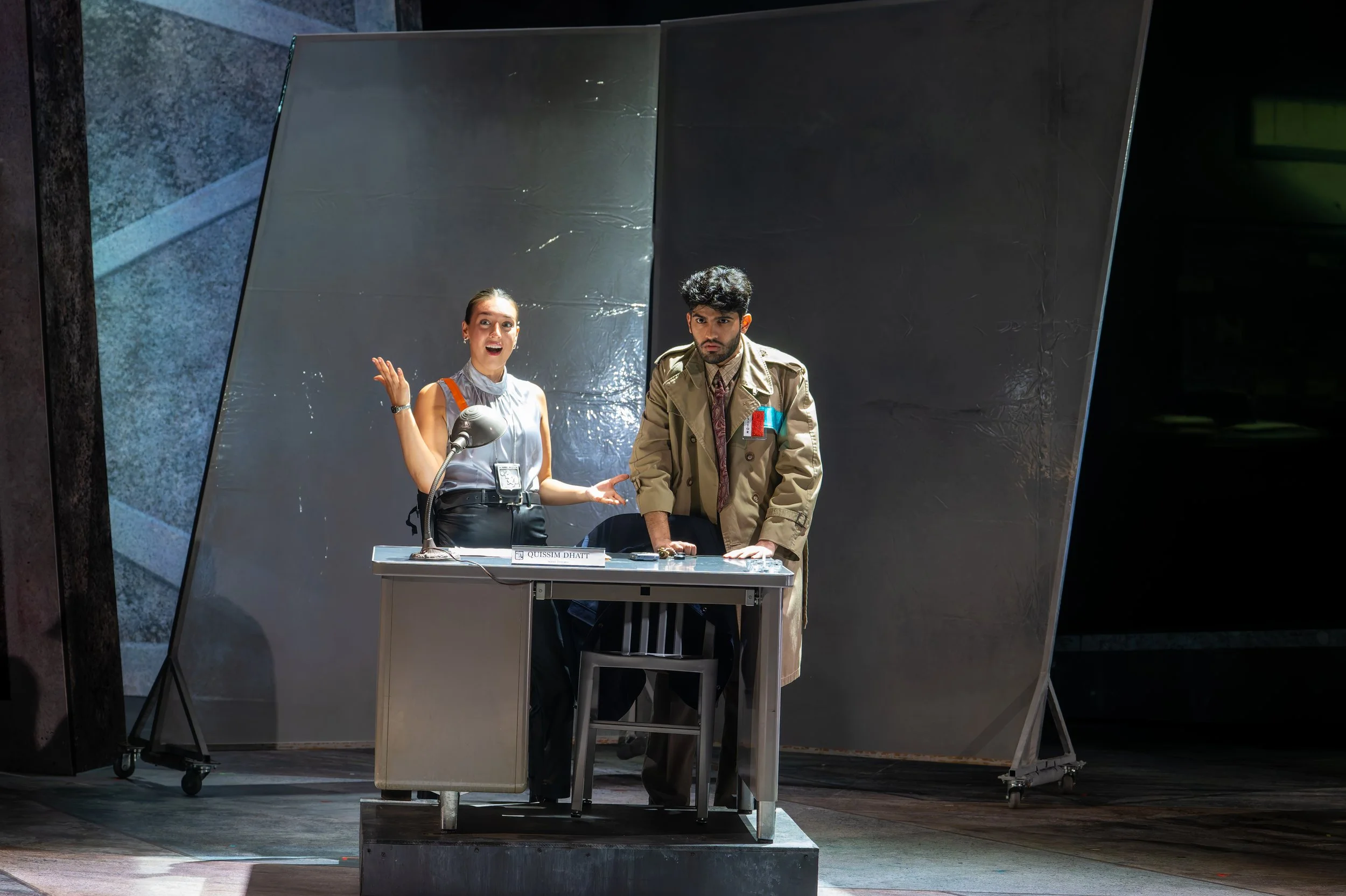
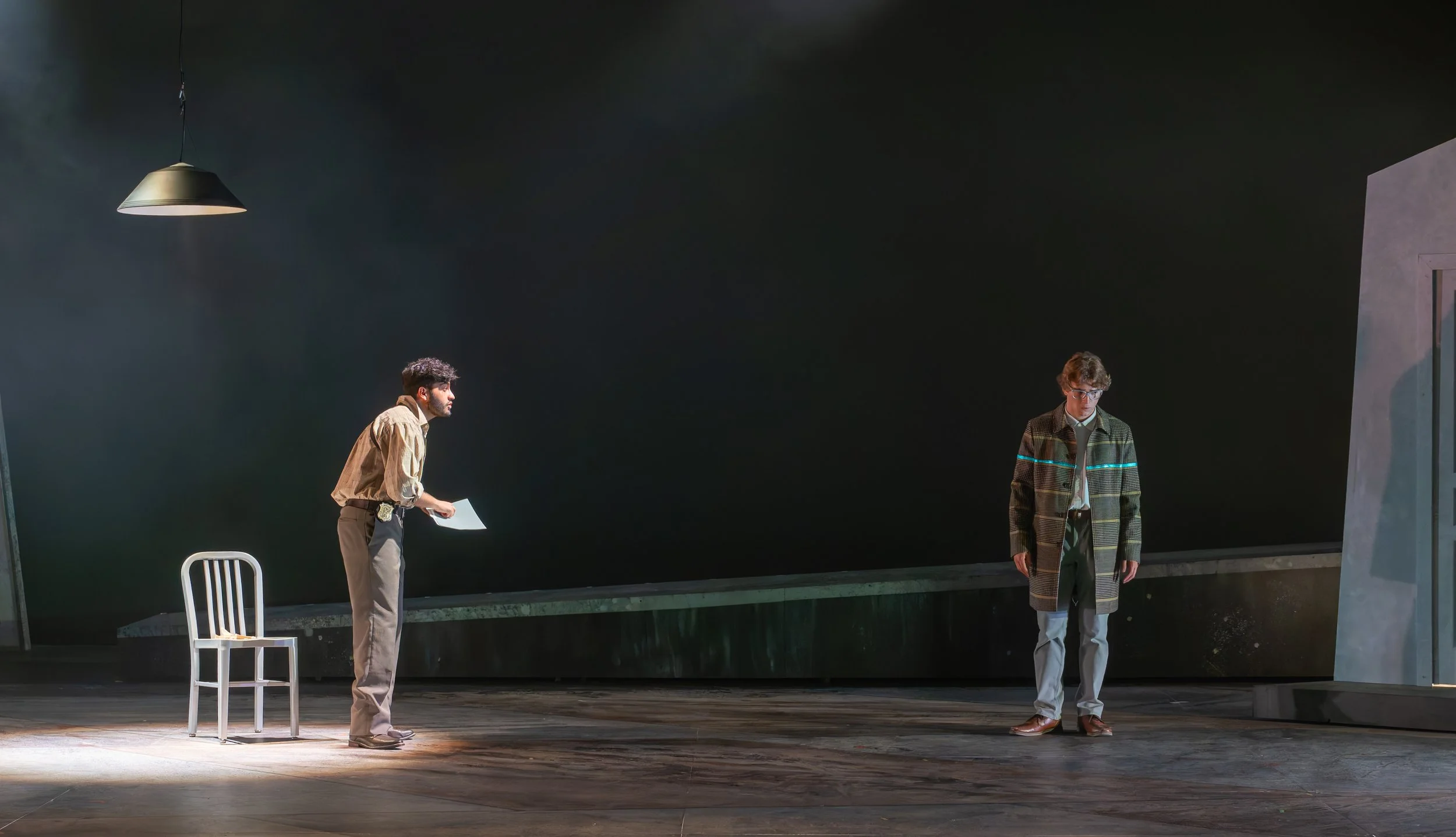
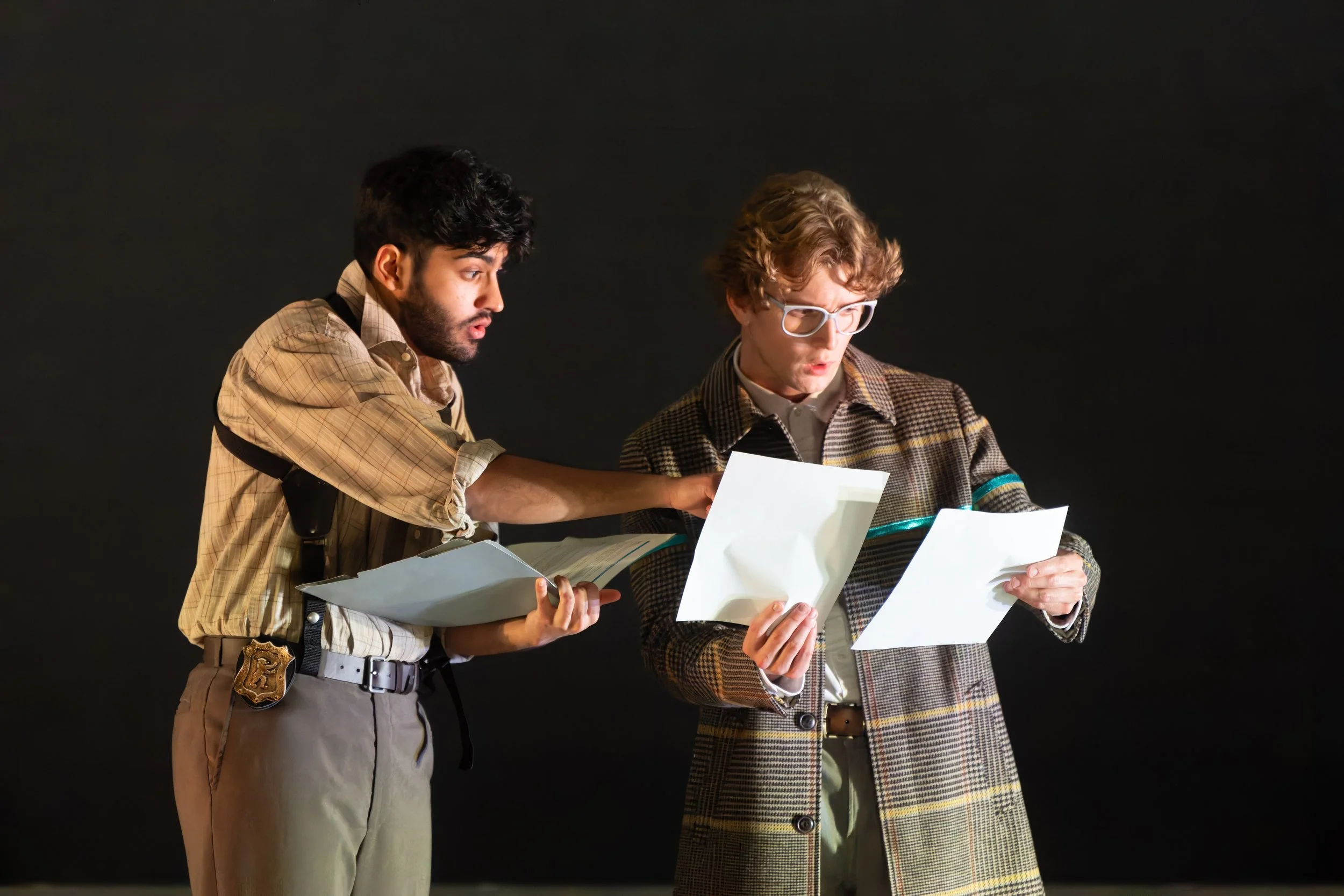
One morning, the dead body of Mahalia Geary, an American Ph. D. student living in Ul Qoma, is found Besźel. Inspector Tyador Borlú of Besźel’s Extreme Crime Squad investigates her murder, and her breach. Uncovering Mahalia’s secrets enmeshes Borlú in an underworld of warring factions, political conspiracy, and mythical history, pulling him deeper and deeper into the mysteries that lie between the city and the city.
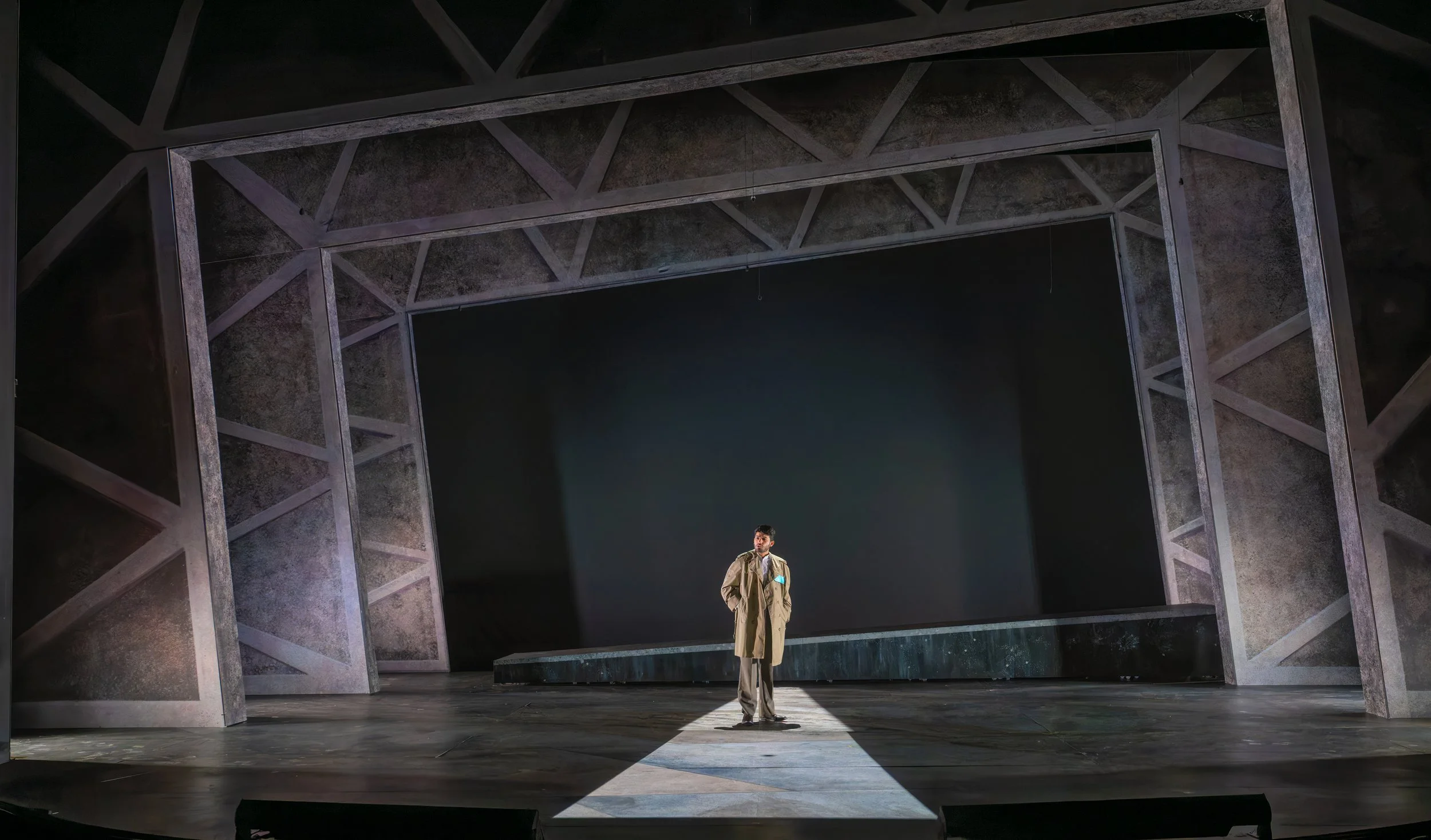
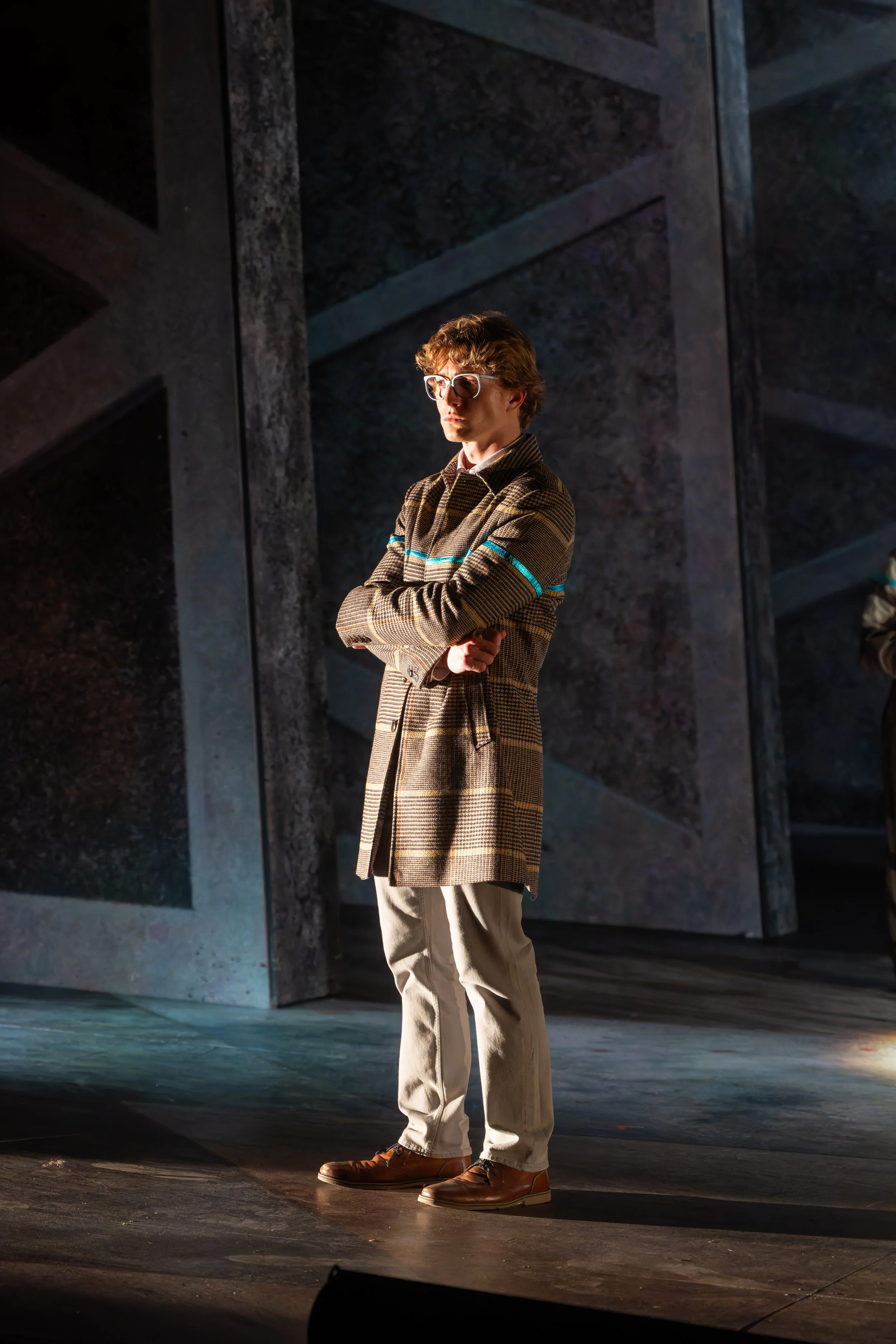
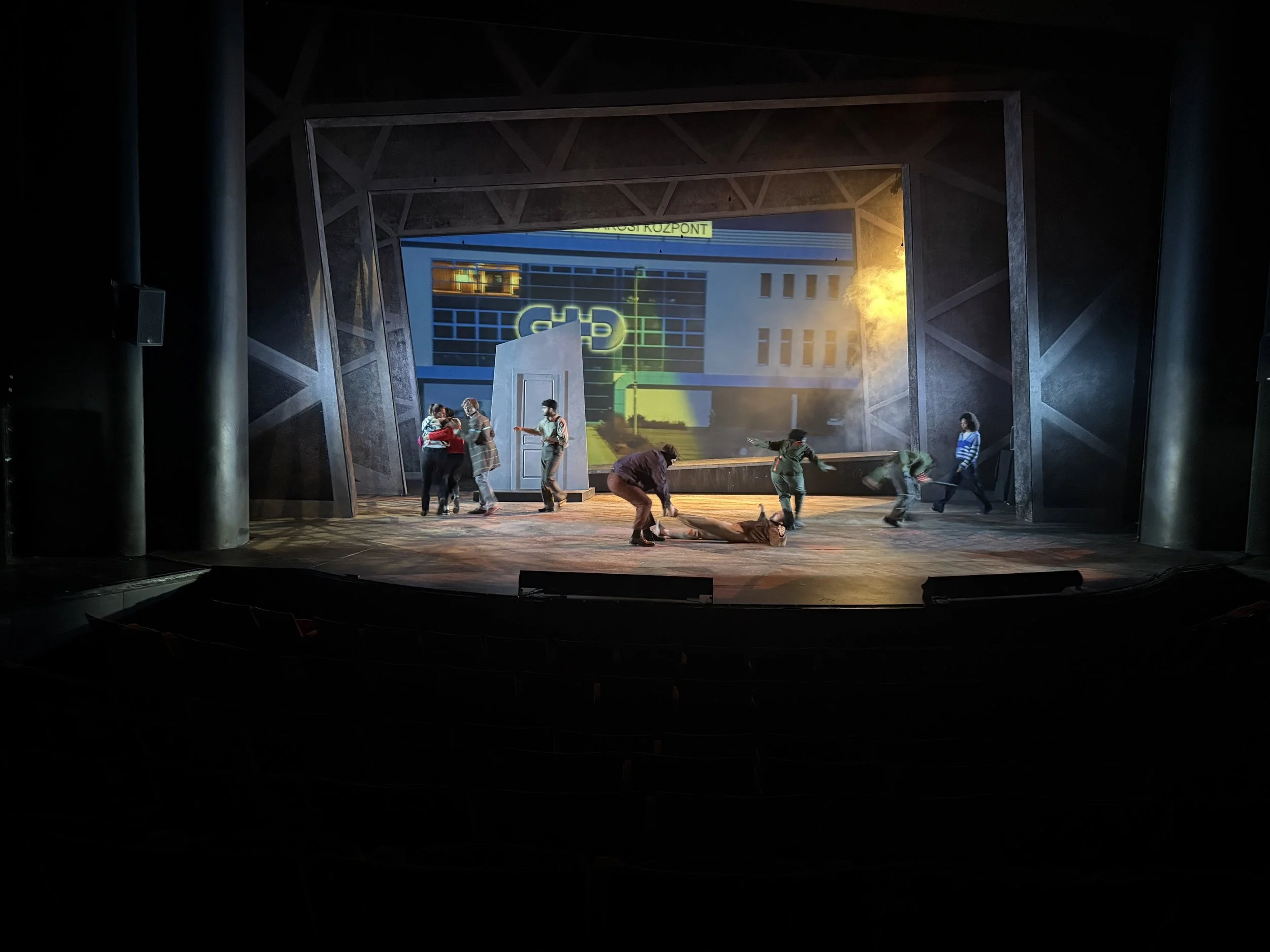
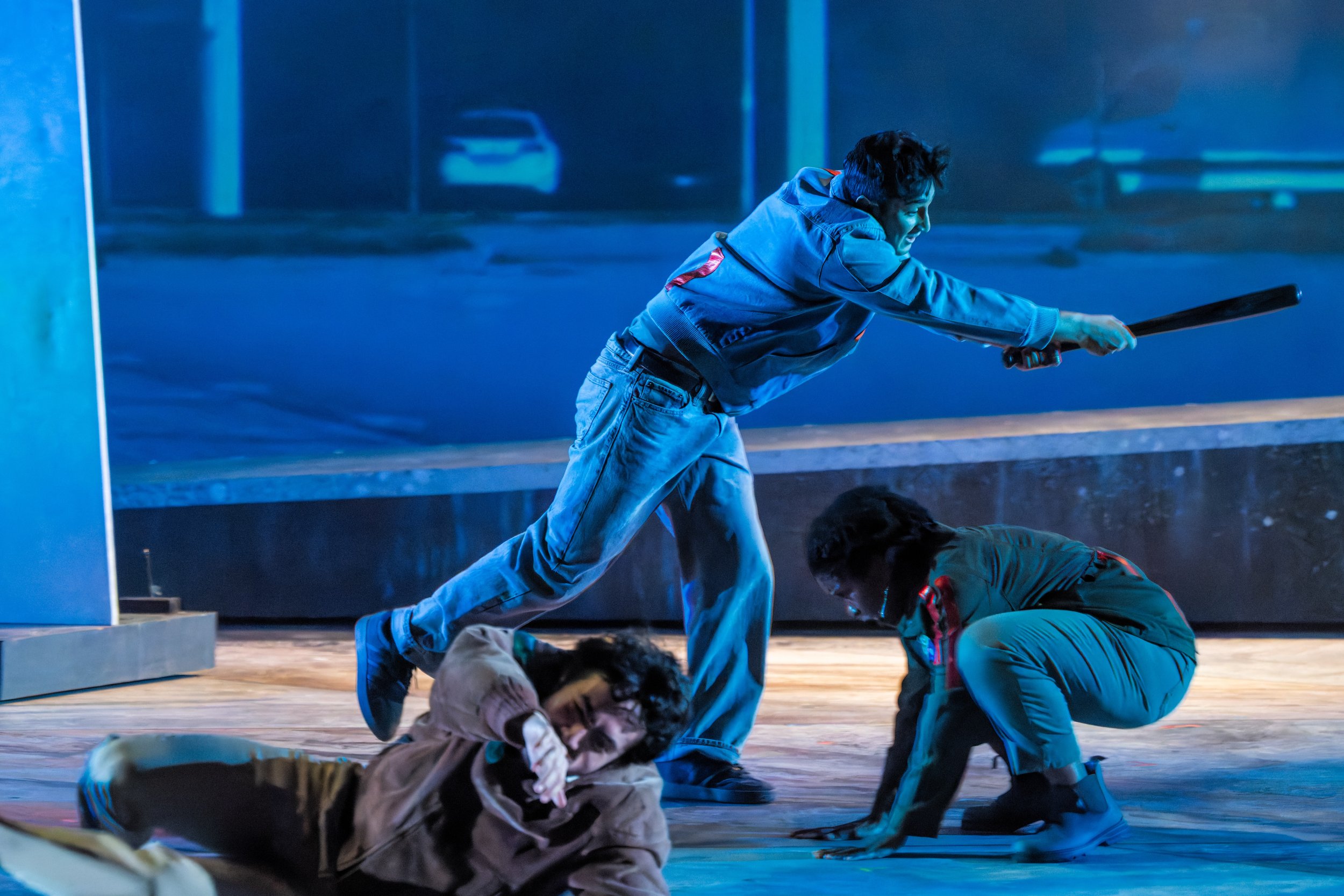
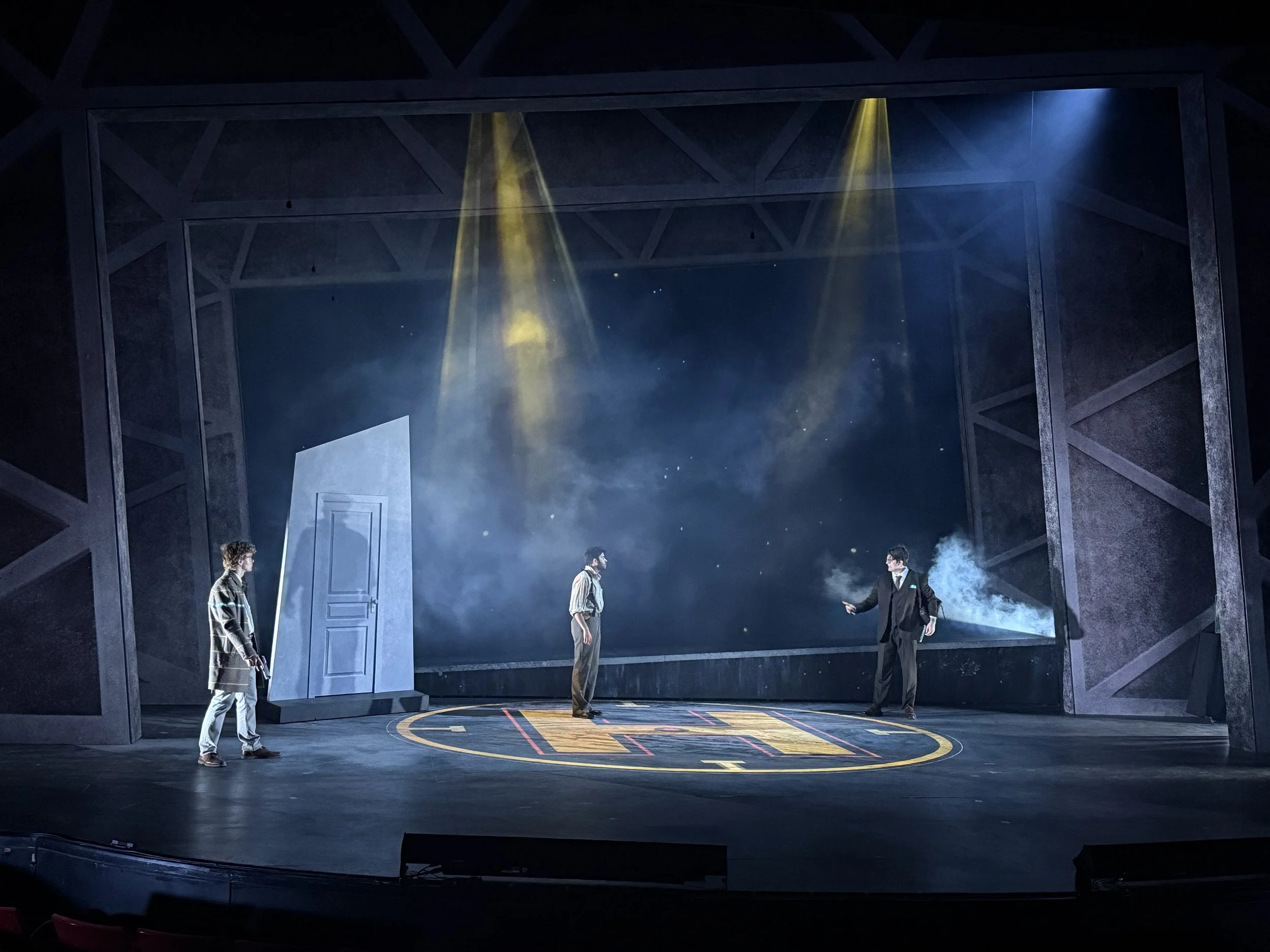
CAST
Track 1: BORLÚ | Imran Rizvi
Track 2: CORWI | Harmony Johnson
Track 3: DHATT | Angela Tomaso
Track 4: MR. GEARY, ASHIL | Jake Majerczyk
Track 5: MRS. GEARY, NANCY | Ari Warner
Track 6: NAUSTIN, BURIC | Luca Baron
Track 7: SHUKMAN, SYEDR, BOWDEN | Chris Ramshaw
Track 8: JARIS, YORJAVIC, SAMUN | Grace Herbst
Track 9: DRODIN, AIKAM | Mihir Apte
Track 10: YOLANDA, RAINA | Hayley Alexander
Track 11: ELEVEN, u/s Corwi, Mrs. Geary, Nancy | Aliyah Joshua
Track 12: TWELVE, u/s Dhatt, Yolanda, Raina | Zoë Van Krey
MAHALIA | Abby Weber
FRONTLINE
DIRECTOR | Jordan Coughtry*
DRAMATURG | Anne Koloczkowski-Magee
INTIMACY & FIGHT DIRECTOR | Zev Steinrock
VOICE COACH | Marie Ramirez Downing
STAGEMANAGEMENT
STAGE MANAGER | Lauren Boesch
ASSISTANT STAGE MANAGERS | Sabrina Fellinger, Shea Manning
DESIGN
SCENIC DESIGNER | Avery Tang
COSTUME DESIGNER | Amelia Walz
LIGHTING DESIGNER | Robert Perry
SOUND DESIGNER | Grace Aumiller
MEDIA DESIGNER | John Boesche
ASSISTANT SCENIC DESIGNER | Tyler Findley
ASSISTANT COSTUME DESIGNERS | Devin Findlay, Maggie Harper
ASSISTANT LIGHTING DESIGNER | Cameron L. Strandin
ASSISTANT SOUND DESIGNER | Ryan Olsen
PRODUCTION
PRODUCTION MANAGER | Terri Ciofalo
TECHNICAL DIRECTOR | Jack Filpi
PROPERTIES MANAGER | Taylor Tousignant
PROJECTIONS SUPERVISOR | Alec LaBau
HAIR & MAKEUP SUPERVISOR | Paige Stewart-Rankins
HAIR & MAKEUP COORDINATOR | Tiffany E Adams
COSTUME CRAFTS | Chantel Renee
ASSISTANTS TO THE DIRECTOR | Layla Eygabroad, Imran Rizvi
PRODUCTION ASSISTANT & WEAPONS CAPTAIN | Bry Bell
SM CALLING SUB | Hadas Goldberg
ASSISTANT PRODUCTION MANAGER | Maxwell G. Allen
HEAD ELECTRICIAN | Resa Fuller
MEDIA ENGINEER | Alec Labau
AUDIO ENGINEER | Noah McLeod
SCENIC CHARGE | Christina Rainwater
SCENICARTISTS
Jordan Couper
Varonica Moralli De Andrade
Mena Perkins
Fallon Podrazic
Emery Smith
Avery Tang
FEET ON THEGROUND
LIGHT BOARD OPERATOR | Lauren Merrifield
SOUND BOAR OPERATOR | Anna Reed
MEDIA BOARD OPERATOR | Frank Estrada
MOTION VIDEO SFX | Erin Pleake
DECKCREW
Isabella Boudreaux
Sebastian Gould
Yan Qi
Logan Young
WARDROBE SUPERVISOR | Devin Findlay
WARDROBECREW
Nicole Burris
Aiden Garland-Sutter
Amelia Schmidt
Alyssa Williams
HAIR & MAKEUP CREW | Ariah Lee, Scarlet Wu
PHOTOGRAPHY |Darrell Hoemann, Olga Maslova, Avery Tang
* Denotes member of SAG-AFTRA and Actor’s Equity Association
SOUNDTRACK
Inspired by these two albums.
Dysnomia by Dawn of Midi - three dudes in Brooklyn. Believe it or not, it’s all analog.
Disco Elysium by Sea Power. This became the soundtrack to the video game inspired by this story.
PRESS
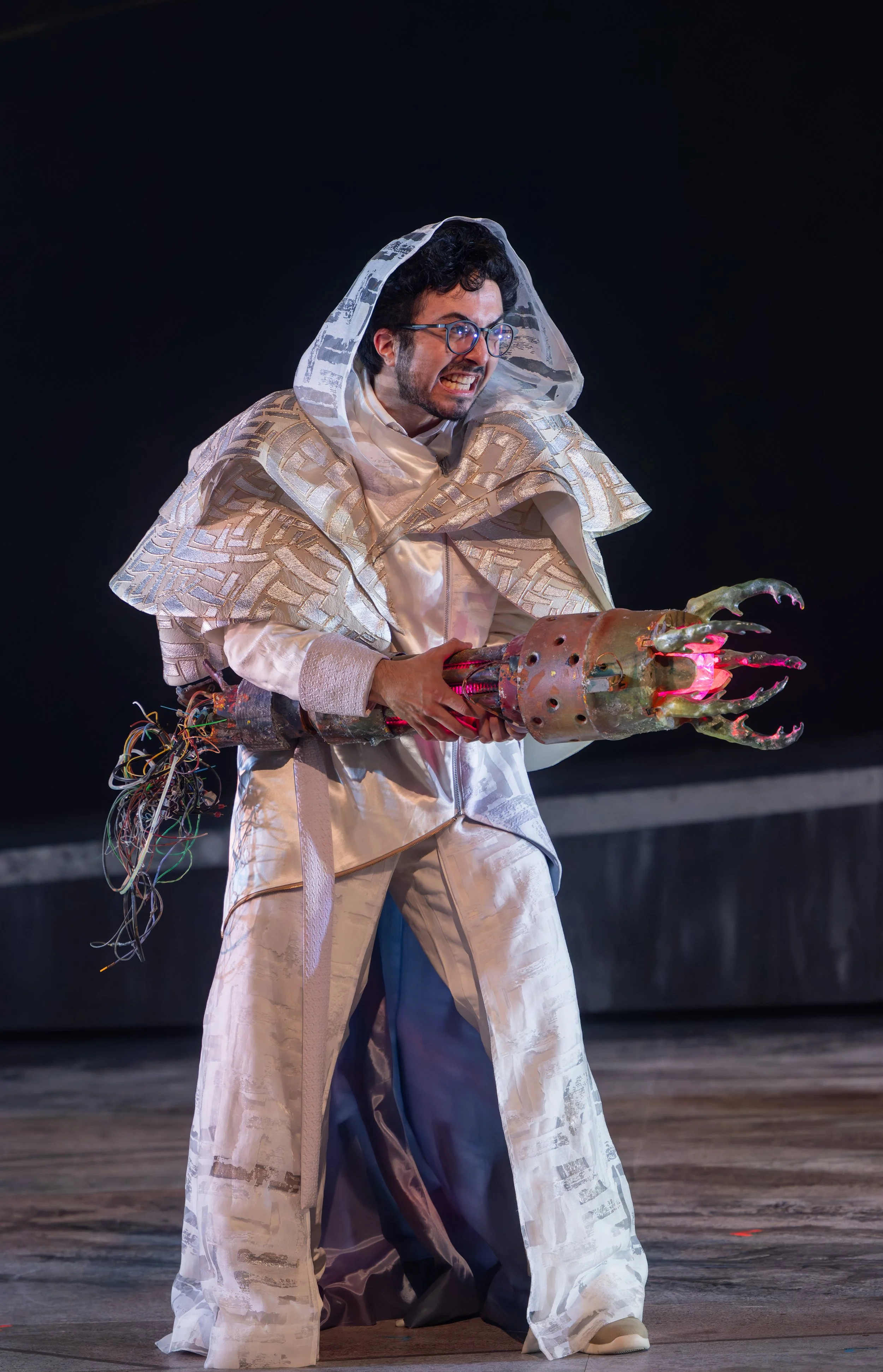
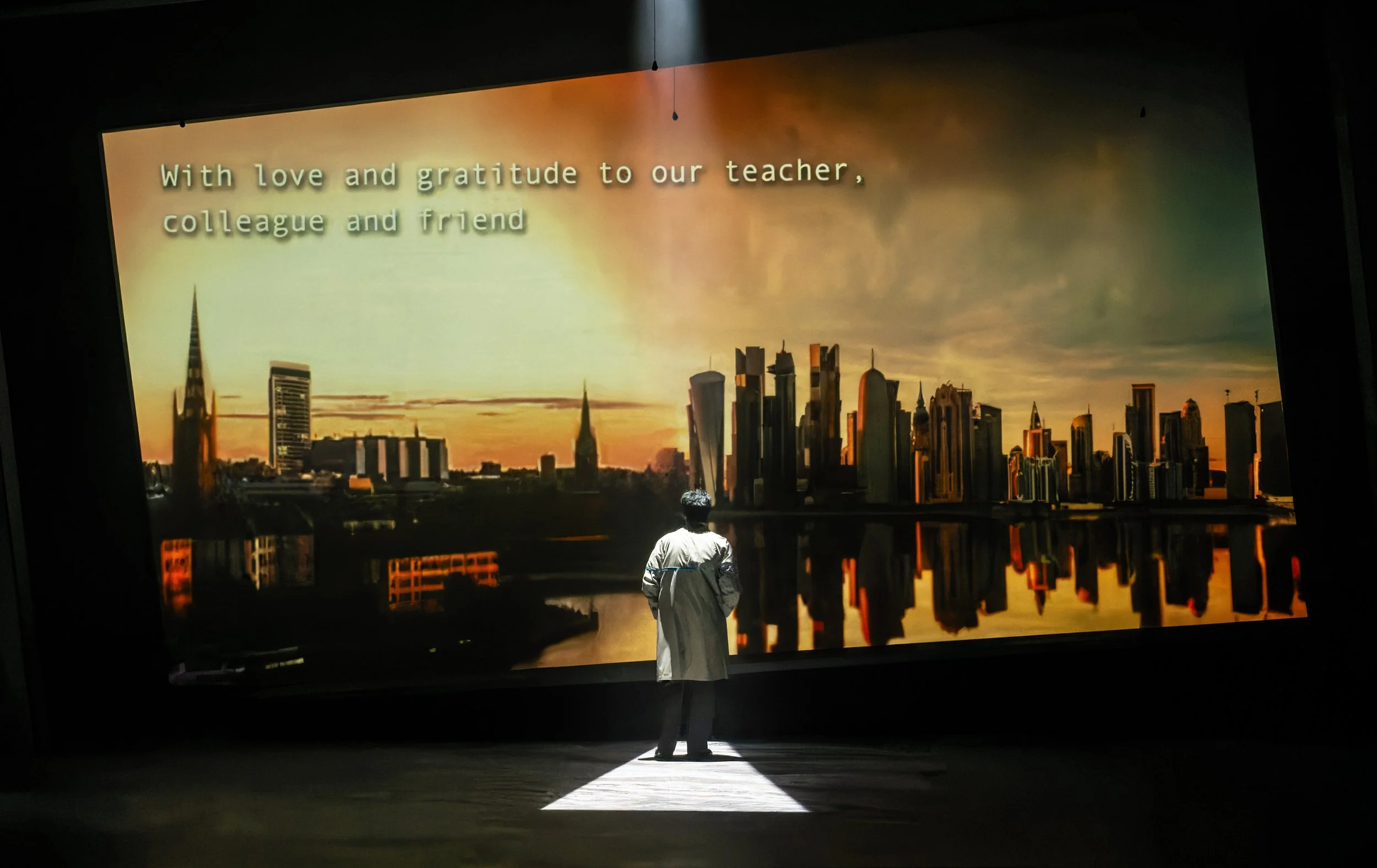
Two cities on one stage in Illinois Theatre’s The City and the City
Kendall Jeonson | SMILE POLITELY
DIRECTOR’SNOTE
“What strange phenomena we find in a great city, all we need do is stroll about with our eyes open. Life swarms with innocent monsters.”
| Charles Baudelaire
The ability to gather and group ourselves as we do, in fact the key to our survival out of all other species of human that has walked the planet, is an evolutionary mechanism that allows us to create and believe in “shared fictions,” or “imagined orders.” These are intersubjective realities that exist only in our collective imaginations, yet rule our lives. Things like money, nations, gods, and laws.
In this story, China Miéville extrapolates shared fictions strangely and mysteriously. He presents two overlapping cities whose citizens are not allowed to sense or acknowledge the people, buildings, or sounds of the other city, even when standing right next to them. They call it “unseeing.” This social agreement, this imagined order, stretches the realm of possibility, but also tickles the mind with a nagging familiarity.
I have never known the country I live in more divided. With so much in common, it is remarkable that its people can so often hold their disagreements to the point of hatred or violence. Is it better to hate or to ignore— unsee—the dissenter? It does feel like I’m living in two nations at once.
Without pressing the hot buttons that raise our political or social hackles, Miéville lets us examine division: borders that separate us, and boundaries that protect us. It points at the shared fictions in our lives and asks us to wonder about what powers enforce, manipulate, profit from, or rebel against them.
•••
“Remember the movements that don’t look like moving.”
| China Miéville
My colleague, Latrelle Bright, was going to direct this play but she died almost before she could really begin. I miss her. What words are enough? Her soul is her last name. She is (was?) an excellent director, and I’m humbled to take up this mantle in her absence. She said she wanted to direct it because it scared her. It scares me too.
Like many good mysteries, this story begins with death. My son has been asking me what happens after we die, and in the end, I have to tell him that I just don’t know. It’s a mystery I can’t solve.
Going through some of my mother’s papers after she died, I found a passage she wrote referring to death as “a thin veil,” which has haunted me ever since. Perhaps that’s what it feels like—the unseeing in Miéville’s cities. Maybe it describes this strange national division too: a thin veil you can almost see through but can’t get to the other side.
Welcome to this world of imagined orders.
Welcome to the edge of the veil.
Welcome to the city and the city.